Getting a traffic citation doesn’t mean you’re out of options. Many drivers successfully appeal traffic violations in court by understanding the process and preparing a solid defense.
At floridanewdriver.com, we’ve seen firsthand how proper preparation makes the difference between winning and losing your case. This guide walks you through everything you need to know to contest your citation effectively.
Understanding Your Traffic Citation
Types of Traffic Violations and Their Penalties
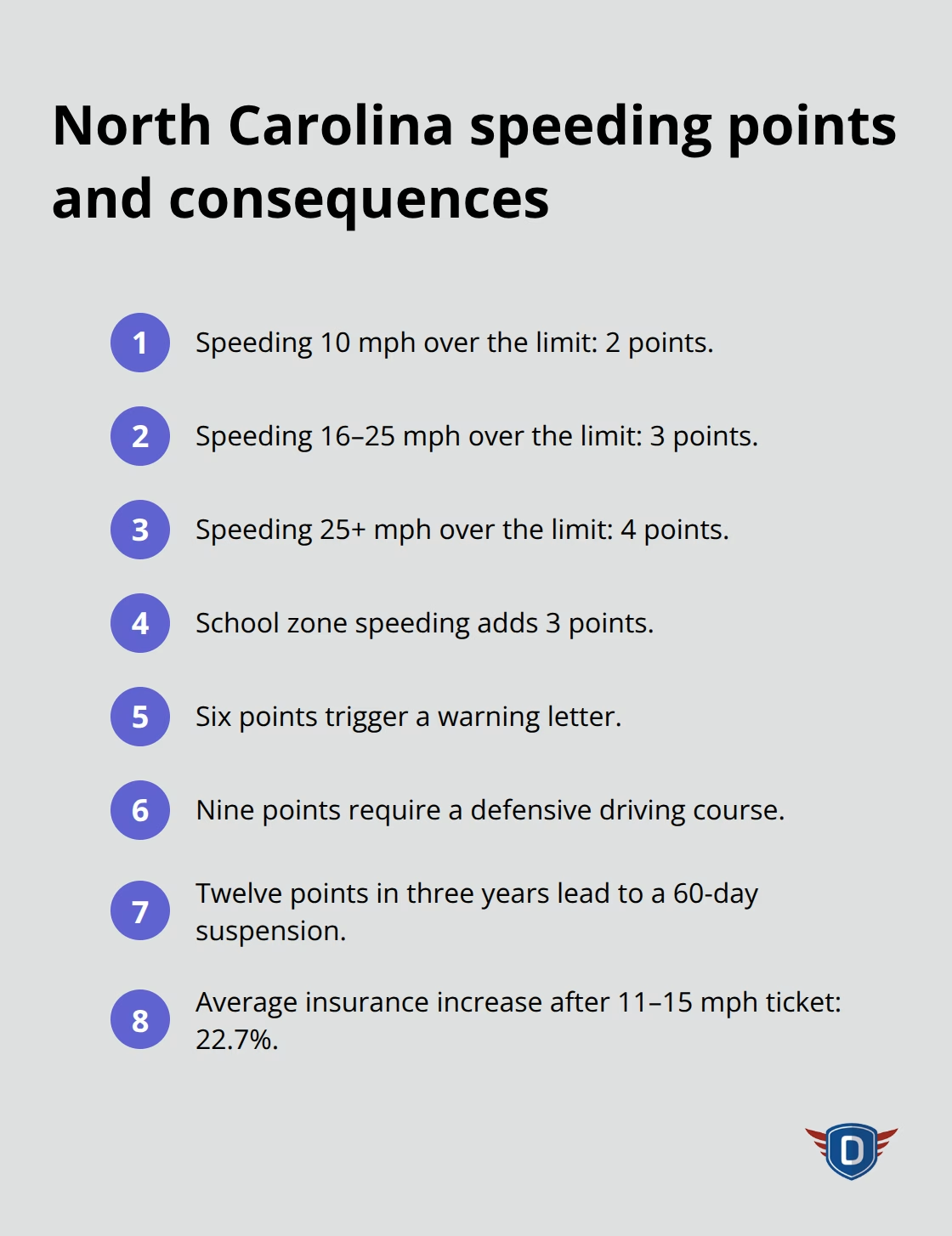
Knowing what you’re facing is the first step toward an effective defense. Traffic violations fall into distinct categories, each carrying different point values and insurance consequences. In North Carolina, speeding 10 miles per hour over the limit carries 2 points, while speeding 16 to 25 miles per hour over the limit carries 3 points. Going 25 miles per hour or more over the limit results in 4 points. Speed violations in school zones add an extra 3 points. These points matter because six points trigger a warning letter, nine points require a defensive driving course, and 12 points within three years can lead to a 60-day license suspension. Beyond points, insurance premiums can spike dramatically. Nationally, drivers pay an average of 22.7% more for auto insurance after receiving a speeding ticket for going 11 to 15 mph over the limit.
The financial damage extends far beyond the fine itself.
Reading Your Citation and Spotting Errors
When you receive your citation, read it carefully for clerical errors because many jurisdictions dismiss tickets when essential information is wrong. Check that your name, license plate number, vehicle description, violation code, date, time, and location are all correct. An incorrect speed reading, wrong plate number, or mismatched vehicle type can become grounds for dismissal. You’ll also find Section IV on your citation, which shows your court date and whether you must appear in person. Some violations require mandatory court appearances while others allow written responses. This distinction shapes your entire strategy.
Acting Within Your Timeline
The timeline for action is tight and unforgiving. You typically have 10 to 30 days to respond to your citation, depending on your jurisdiction. Missing this deadline means automatic conviction and license suspension, so mark your calendar immediately. If you decide to contest the ticket, plead not guilty at your arraignment, which schedules a future trial date. In California, you can request a Trial by Written Declaration under Vehicle Code 40902, allowing you to submit evidence without appearing in court, though you must post full bail to do so. This option isn’t available for accidents, misdemeanors, or mandatory appearances. For a standard court trial, the officer will be subpoenaed to testify, and you can bring witnesses or hire a lawyer. If you lose and disagree with the ruling, you have 30 days to file a lawful appeal, which asks the appellate court to review legal errors rather than hold a new trial. The appeal process typically takes about three months.
Collecting Evidence Immediately
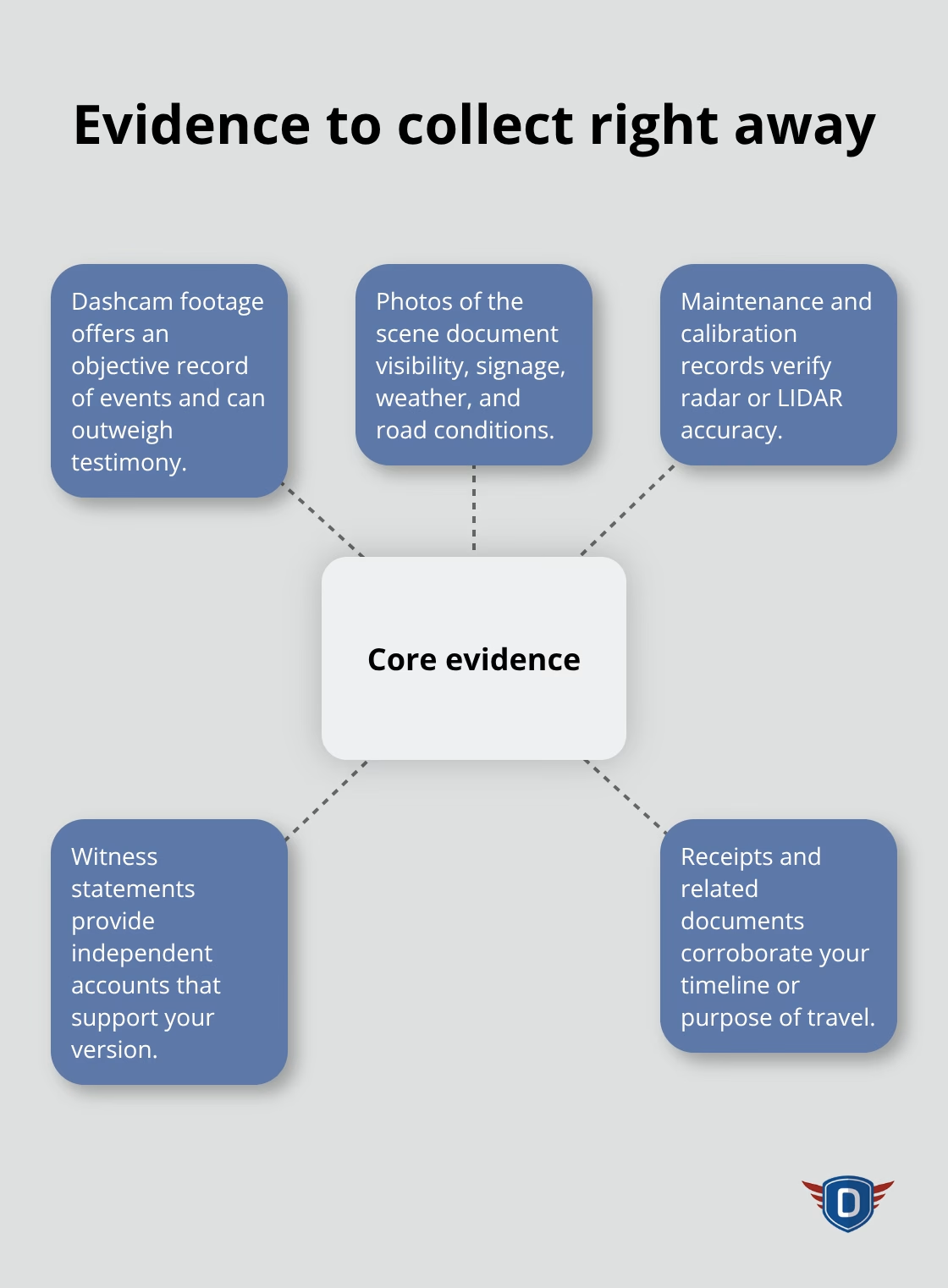
Don’t delay in gathering your evidence during this window. You need to collect dashcam footage, photos of the scene, maintenance records for speed detection equipment, witness statements, and receipts that support your defense. The longer you wait, the harder it becomes to locate witnesses or obtain calibration logs for radar and LIDAR devices.
Move fast and stay organized. Your next step involves building a defense strategy that challenges the evidence against you and identifies weaknesses in how the officer conducted the stop.
Building Your Defense Strategy
Gather Evidence That Supports Your Defense
Collect hard evidence immediately after receiving your citation. Dashcam footage provides an objective record of what happened and stands as your strongest asset. If you lack dashcam video, photograph the scene where you received the ticket, noting road conditions, visibility, signage, weather, and speed limit markers. These details matter because poor visibility or obscured signs can undermine the officer’s claim that you violated the law.
Request maintenance and calibration records for any radar or LIDAR equipment the officer used to measure your speed. According to Nolo, many speeding tickets fail because officers cannot produce current calibration logs, which cast serious doubt on the accuracy of speed readings. Contact your local police department and request these records through discovery, which is your legal right before trial. Witness statements carry weight in court, so if anyone was in your vehicle or nearby, obtain their written account of events. Organize all documents chronologically and keep copies separate from originals.
Identify Procedural Errors That Lead to Dismissal
Procedural errors often succeed where other defenses fail. Examine your citation for mistakes in your name, license plate, vehicle description, violation code, date, time, or location. According to Nolo, jurisdictions frequently dismiss tickets when essential information is incorrect. Check whether the officer properly initiated the stop and whether they had legal grounds to pull you over. If the officer made mistakes during the stop itself-such as failing to observe your vehicle violating traffic laws or conducting an unjustified stop-your case becomes defensible.
During trial, challenge the officer’s testimony about speed, equipment calibration, and how they measured your violation. If the citing officer fails to appear in court, the case is often dismissed outright. Request a subpoena for the officer and verify they received it properly, because officer no-shows work in your favor. For speeding tickets specifically, challenge whether radar or LIDAR equipment was recently calibrated and ask the officer to produce training records. Many officers cannot answer these questions definitively, which creates reasonable doubt about the ticket’s validity.
Present Evidence That Contests the Stop Itself
Weather, road conditions, and signage influence how a ticket should be argued, with supporting evidence from the scene strengthening your position. Poor lighting conditions, heavy traffic, or unclear signage can all cast doubt on whether you actually committed the violation the officer claims. A traffic attorney can help you request discovery materials and identify which evidence strengthens your case most. This preparation positions you to walk into court with a coherent narrative that challenges the officer’s version of events and sets the stage for presenting your case effectively.
How to Win in the Courtroom
Prepare Your Materials and Arrive Early
Arrive at court at least 30 minutes early. Courts operate on strict schedules, and late arrivals result in dismissal or default judgment, which means automatic conviction. Verify your courtroom number and trial time on your citation before you go, because showing up at the wrong location wastes your preparation and costs you the case. Dress professionally in business casual or formal attire-judges notice appearance, and presentation influences outcomes. Bring every document you’ve collected: dashcam footage on a USB drive, photos printed in color, witness statements, maintenance records for speed detection equipment, and your citation. Organize these materials in a folder in chronological order so you can locate anything instantly during testimony.
Enter Your Plea and Understand the Burden of Proof
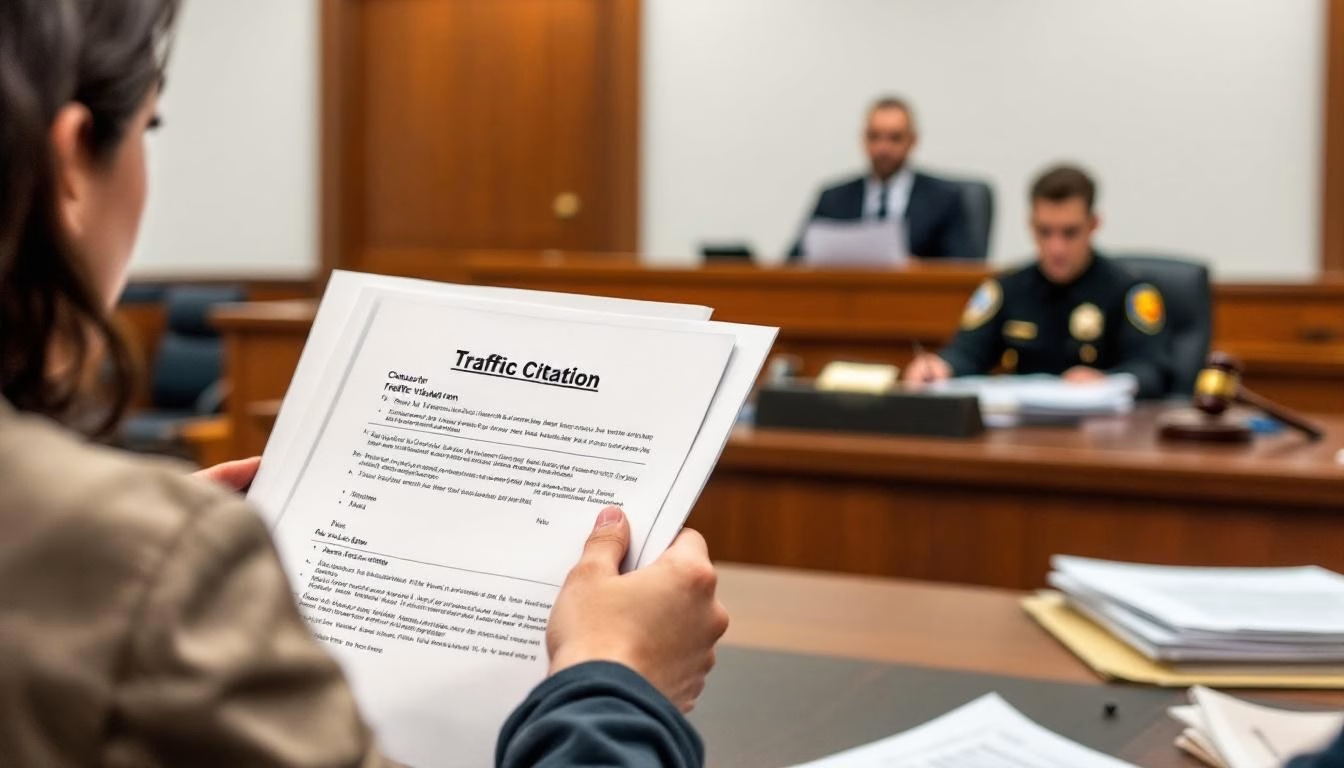
When the hearing starts, the judge or magistrate will explain procedures and ask you to enter your plea. If you’re contesting the ticket, plead not guilty. The burden falls on the prosecution to prove the violation by a preponderance of the evidence, meaning they must show it’s more likely than not that you committed the offense. The officer testifies first, describing what they observed and how they determined your violation. Listen carefully and take notes on inconsistencies, vague language, or unsupported claims. Did the officer say they paced your vehicle but fail to mention the distance used? Did they claim radar showed your speed but admit they never saw calibration records? These gaps matter tremendously.
Present Your Evidence Strategically
Present your evidence methodically and lead with your strongest material. Show dashcam footage immediately because visual evidence outweighs officer testimony in judges’ minds. If you lack video, present photos of the scene, highlighting poor visibility, obscured signage, or weather conditions that undermine the officer’s account. Speak clearly and avoid emotional language-judges respond to facts, not frustration. When you finish presenting your case, summarize the weaknesses in the prosecution’s evidence and explain why the charges should be dismissed or reduced.
Cross-Examine the Officer Effectively
When cross-examining the officer, ask specific questions that require yes-or-no answers. Ask whether they verified LIDAR calibration within the required timeframe, whether they received formal training on the speed detection device, and whether they observed your vehicle violating traffic laws before initiating the stop. If the officer cannot produce calibration logs, challenge the accuracy of speed readings directly. Ask how they maintained their distance and speed while pacing your vehicle. Request the specific violation code and ask the officer to explain each element required to prove that violation. Many officers hesitate or provide incomplete answers when pressed on technical details, which creates reasonable doubt. If the officer admits to any procedural error-failing to observe the violation clearly, conducting an unjustified stop, or losing sight of your vehicle-emphasize this repeatedly. Don’t argue with the officer or become defensive. Stay composed, ask follow-up questions calmly, and let the evidence speak for itself.
Understand Your Options After the Verdict
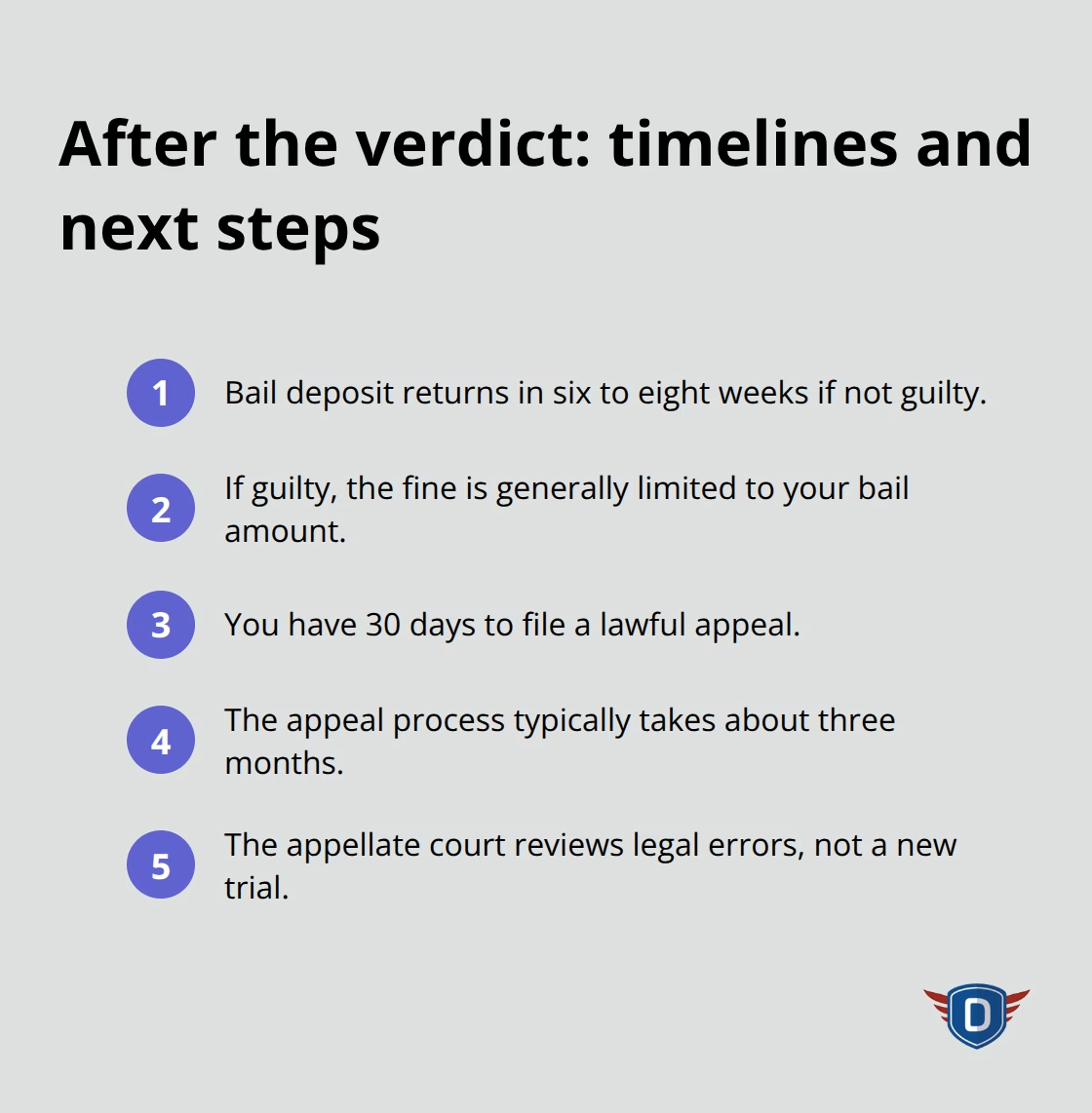
If found not guilty, your bail deposit returns within six to eight weeks. If found guilty, the fine is generally limited to your bail amount. You then have 30 days to file a lawful appeal if you believe the judge made legal errors. The appeal process typically takes about three months, and the appellate court reviews legal errors rather than holding a new trial.
Final Thoughts
Contesting a traffic citation demands time, preparation, and strategic thinking. You now face three distinct paths: contest the ticket in court, pay the fine and accept the consequences, or attend traffic school to reduce points and insurance impact. Each option carries different costs and outcomes, so weigh them carefully against your specific situation. Contesting makes sense when you have strong evidence of procedural errors, equipment calibration failures, or officer mistakes-the burden rests on the prosecution to prove guilt, and many tickets fail because officers cannot produce required documentation or testify convincingly.
Paying the ticket is straightforward but expensive long-term, as a speeding ticket can raise your insurance premiums by 22.7% or more for years while you accumulate points that count toward license suspension. Traffic school offers a middle ground by allowing you to reduce or eliminate points on your record, lower insurance costs, and satisfy court requirements through a defensive driving course. If you lose your case and believe the judge made legal errors, you have 30 days to file a traffic violation appeal with the appellate court, though this process typically takes about three months.
Your driving record shapes your insurance costs and legal standing for years, so protecting it matters significantly. We at floridanewdriver.com offer traffic school programs designed to help drivers reduce points, meet court requirements, and qualify for insurance discounts after moving violations. Visit floridanewdriver.com to explore how our programs can help you move forward safely and responsibly.