Your first driving lesson is both exciting and nerve-wracking. Most new drivers wonder how long the session will last and what they’ll actually do behind the wheel.
We at floridanewdriver.com know that understanding the first driving lesson duration helps you prepare mentally and physically. This guide walks you through what happens, how long to expect, and how to make every minute count.
What Happens in Your First Driving Lesson
License Check and Eyesight Test
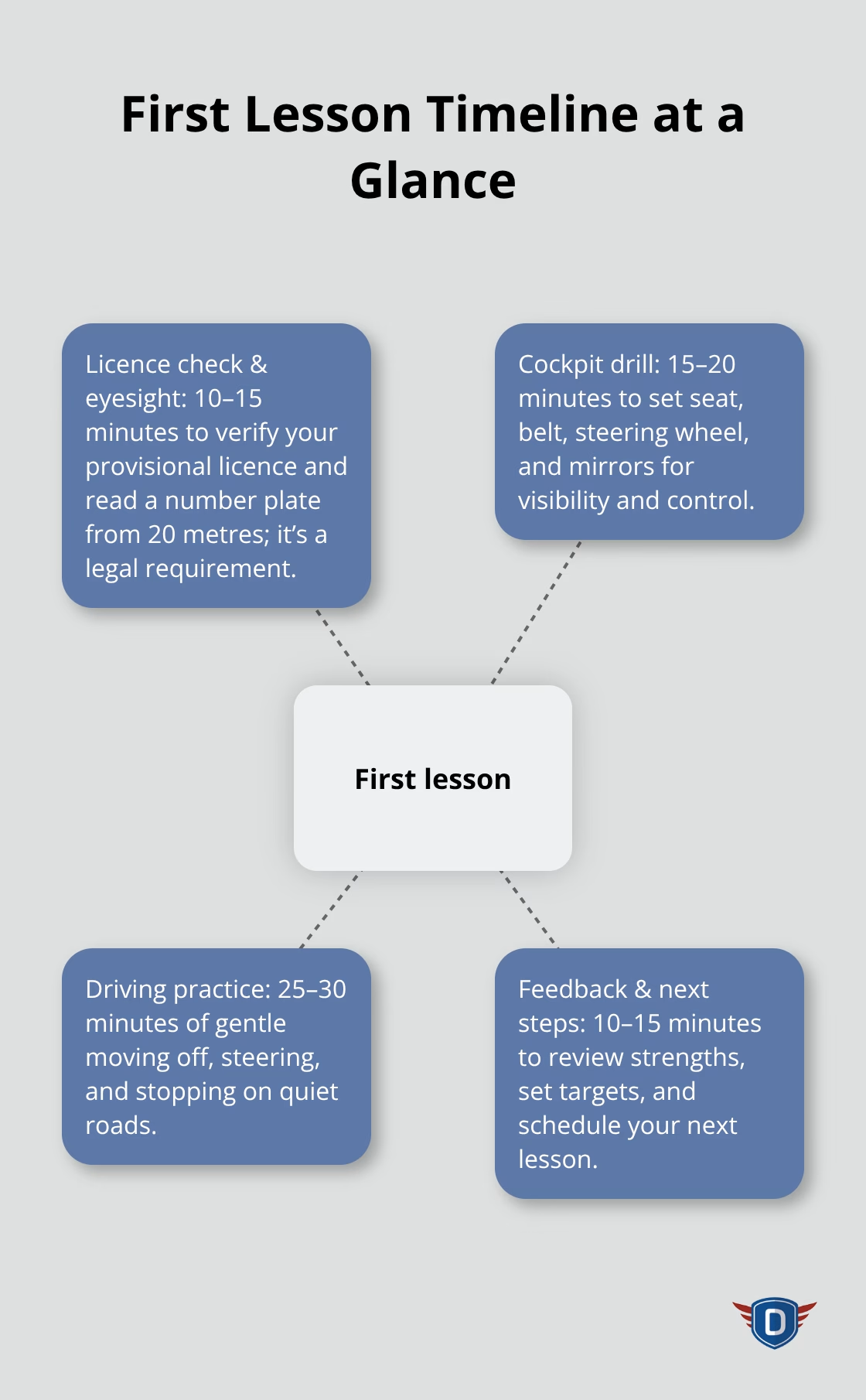
Your first lesson starts before you touch the steering wheel. The instructor will spend 10 to 15 minutes checking your provisional license and conducting an eyesight test, which involves reading a number plate from 20 metres away. This isn’t bureaucracy-it’s a legal requirement and a safety checkpoint that protects both you and other road users.
The Cockpit Drill: Setting Up for Safety
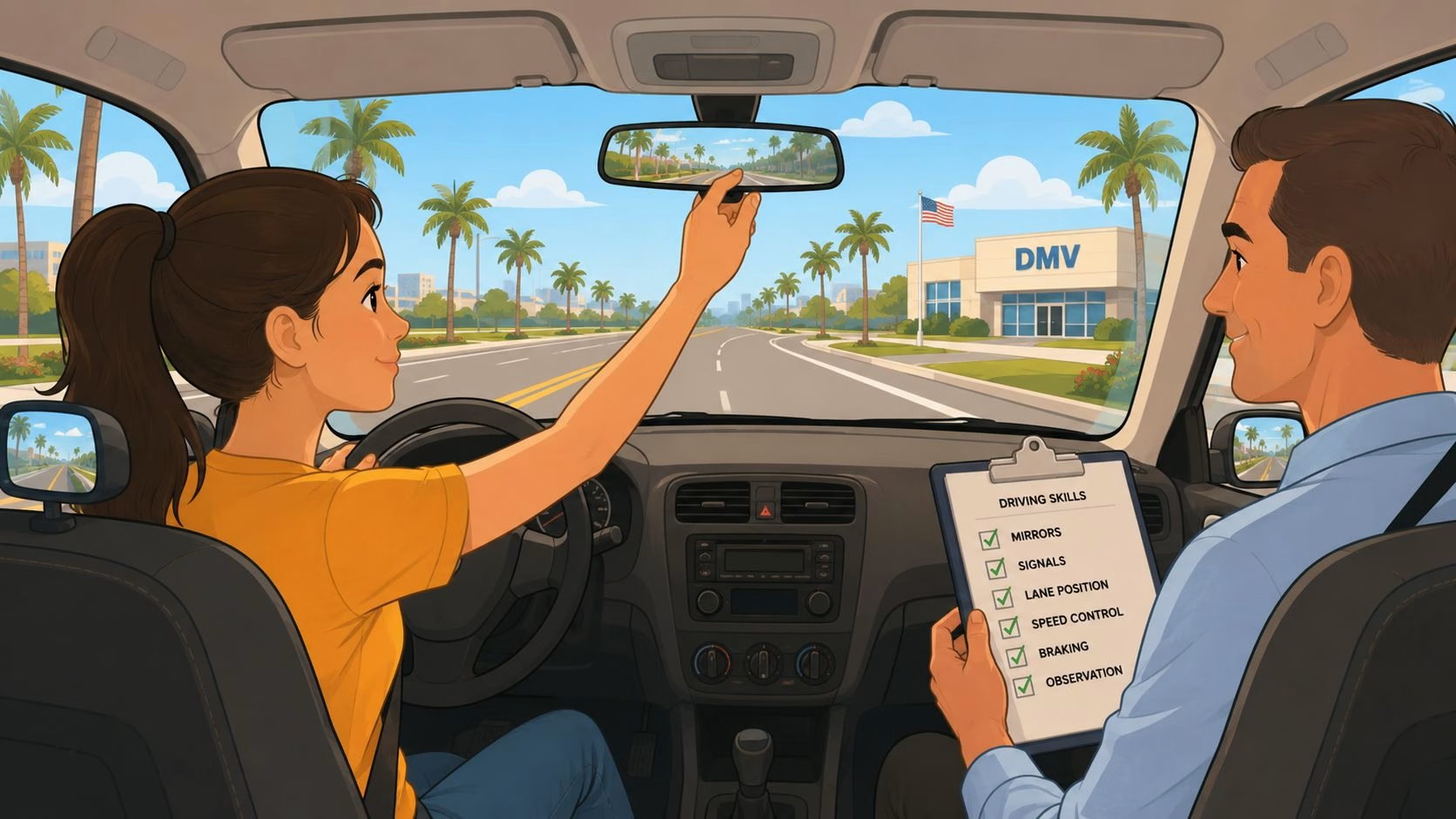
Next comes the cockpit drill, a structured process covering doors, seat, steering wheel adjustment, seatbelt, and mirrors. This takes about 15 to 20 minutes and feels tedious, but it forms the foundation of safe driving. The instructor will explain the purpose of every step rather than just telling you to adjust things randomly. You’ll learn exactly how to position yourself in the seat, where your mirrors should point, and why each adjustment matters for visibility and control.
Your First Time Behind the Wheel
After these preliminaries, you’ll actually drive. Most first lessons include roughly 25 to 30 minutes behind the wheel, usually in a quiet residential area or industrial estate with minimal traffic. The instructor will teach you to find the clutch biting point and move off smoothly in first gear. You won’t navigate complex junctions or drive on motorways-that comes later. Instead, you’ll focus on the fundamentals: moving off, steering gently, and stopping safely. If you’re comfortable and making progress, you might touch second gear, but there’s zero pressure to do so.
Dual controls mean your instructor can take over instantly if needed, which gives you freedom to make mistakes without real danger.
Feedback and What Comes Next
The final 10 to 15 minutes involve feedback and scheduling your next lesson. The instructor will tell you what you did well and what needs work. This isn’t criticism; it’s a roadmap for improvement. Understanding how long your first lesson lasts helps you prepare, but knowing the typical structure also shapes what you should expect in terms of pacing and progression. The next section covers how lesson duration affects your learning and why length matters more than you might think.
How Long Should Your First Lesson Be
Understanding the Two-Hour Structure
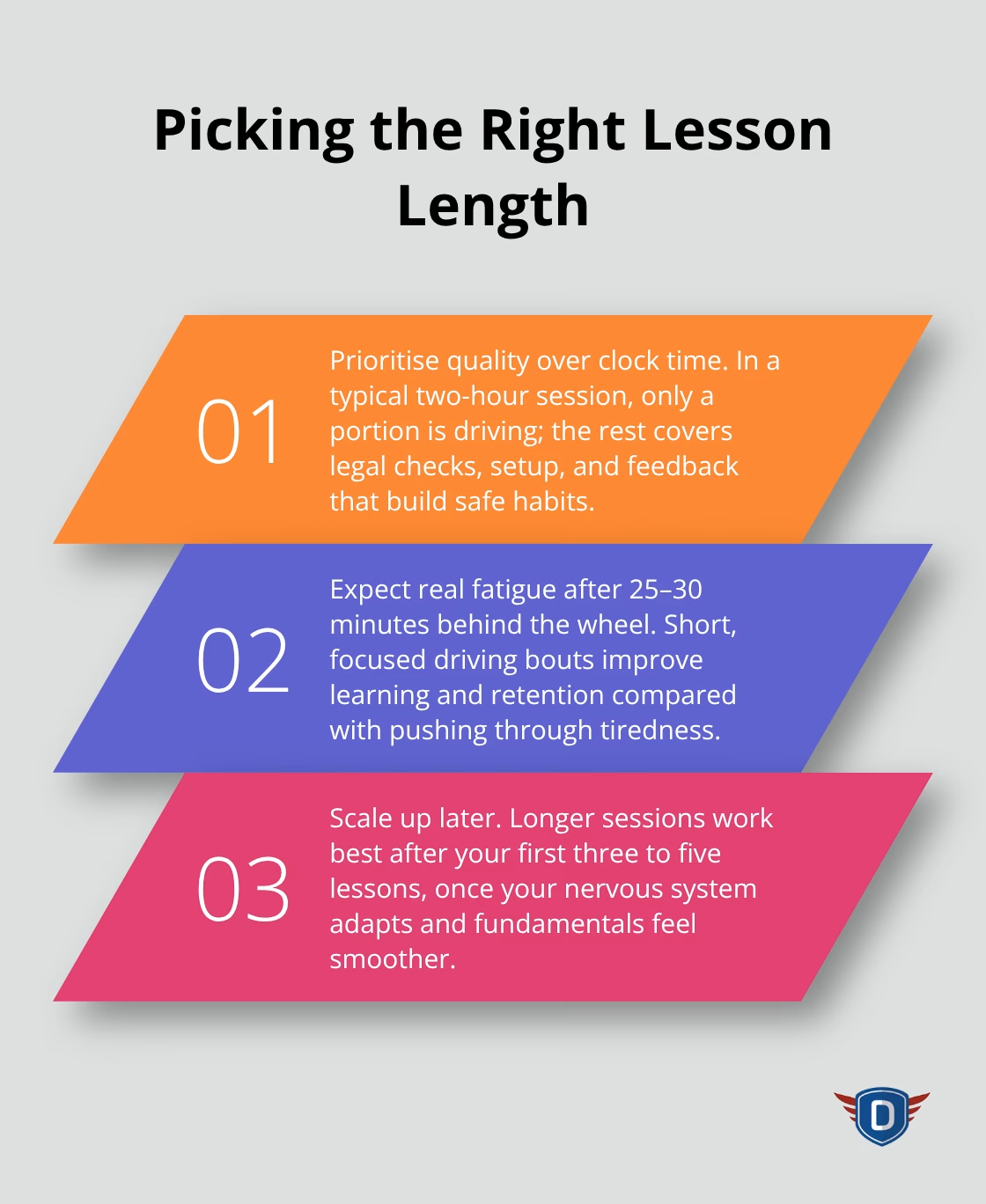
Most first driving lessons last between one and two hours, but the actual time you spend behind the wheel matters far more than the total clock time. Out of a typical two-hour lesson, you’ll drive for roughly 25 to 30 minutes while your instructor handles the rest through checks, explanations, and feedback. This structure isn’t arbitrary. The first 10 to 15 minutes cover your provisional licence check and eyesight test, which are non-negotiable legal requirements. The next 15 to 20 minutes involve the cockpit drill, where you learn to adjust your seat, mirrors, and steering wheel correctly. These preliminaries feel slow, but they establish the habits that keep you safe for every mile you drive afterward.
A lesson that rushes through these steps leaves you unprepared for independent driving, while one that gives them proper attention builds a solid foundation. Education has a somewhat positive impact on outcomes such as crash rates, demonstrating that thorough instruction beats speed every time.
Mental and Physical Fatigue During Your First Lesson
The length of your first lesson should match your mental and physical capacity, not some arbitrary standard. New drivers experience genuine fatigue during their first few lessons because mental and physical fatigue during driving demands constant attention, quick decision-making, and precise muscle control simultaneously. Your brain processes the position of pedals, the feel of the steering wheel, the location of mirrors, traffic ahead, and your instructor’s guidance all at once. After 25 to 30 minutes of active driving, most beginners feel mentally exhausted even though they haven’t driven far.
Adding more driving time to your first lesson won’t accelerate your progress; it will simply tire you out and reduce how much you retain. A two-hour lesson with 30 minutes of actual driving works well because it gives you enough time behind the wheel to practice the fundamentals without overwhelming your cognitive load.
Finding the Right Lesson Length for You
If your instructor offers 90-minute lessons instead, that’s also acceptable, but anything shorter than 60 minutes leaves insufficient time for the legal checks and safety briefing. Longer lessons work better once you’ve completed your first three to five sessions and your nervous system has adapted to the demands of driving. For now, try a lesson length that allows thorough preparation, focused practice, and thoughtful feedback over raw hours behind the wheel. Your next lesson will build on what you’ve learned today, so the quality of this foundation determines how quickly you progress through the skills ahead.
Tips to Make Your First Driving Lesson Productive
Prepare the Night Before
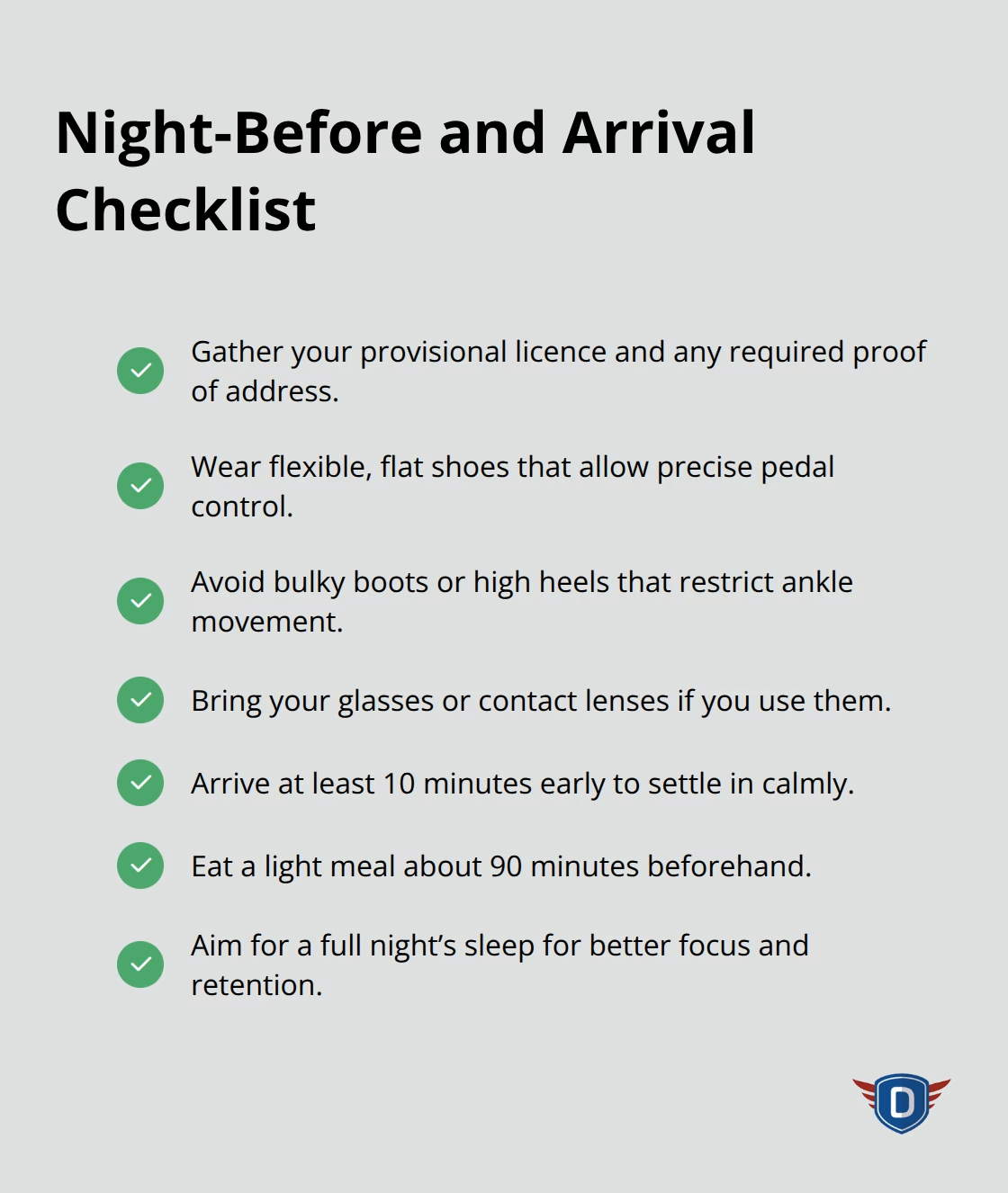
Your preparation before arriving at your first lesson determines how much you’ll learn during those 25 to 30 minutes behind the wheel. Gather the required documents the night before: your provisional licence and proof of address if your instructor requires it. Check what your specific instructor needs rather than assuming, because requirements vary. Wear comfortable clothing that allows free movement and flexible shoes that improve responsiveness and allow smoother transitions between pedals. Avoid bulky boots, high heels, or anything that restricts your ankle movement. If you wear glasses or contact lenses, bring them without question.
Eat a light meal 90 minutes before your lesson so you’re not hungry or sluggish, but not so full that digestion diverts your mental energy. A full night’s sleep beforehand improves your ability to absorb new information and react to the instructor’s guidance. Arrive at least 10 minutes early so you can meet your instructor without rushing, use the toilet if needed, and settle your nerves before the lesson starts.
Communicate Clearly With Your Instructor
Your instructor cannot read your mind, so communicate directly about what confuses you. If the cockpit drill seems pointless, ask why mirror positioning matters for viewing more of the roadway. If you don’t understand how to find the clutch biting point, ask for clarification rather than struggling silently. Most instructors appreciate questions because they reveal gaps in your understanding and help them adjust their teaching approach.
Avoid the trap of trying to progress too quickly in your first lesson. New drivers often feel pressure to move into second gear or tackle turns before they’ve mastered moving off smoothly, but this mindset wastes your lesson time on skills you’re not ready for. Your instructor’s job is pacing, not speed.
Focus on Fundamentals, Not Speed
If you spend your entire first lesson perfecting how to move off and stop, that’s exactly how your lesson should go. Execute each fundamental movement smoothly and consistently rather than ticking boxes. After your first lesson ends, sit down within a few hours and write down what you practiced, what felt awkward, and what you want to improve next time. This reflection cements what you’ve learned and gives your instructor concrete feedback about your progress and concerns for the next session.
Final Thoughts
Your first driving lesson duration matters far less than how you use those minutes behind the wheel. A typical two-hour session gives you roughly 25 to 30 minutes of actual driving, with the remainder spent on legal checks, safety setup, and feedback-and this structure builds the foundation that separates confident drivers from anxious ones. The fundamentals you practiced in your first lesson (moving off smoothly, steering gently, and stopping safely) will repeat throughout your next five to ten lessons, with each repetition strengthening your muscle memory and reducing mental strain.
Your second lesson will feel noticeably easier than your first because your nervous system has adapted to controlling a vehicle. Future lessons will introduce new skills like turns, junctions, and road positioning, but they will always build on what you’ve already mastered. Drivers who rush this progression often struggle later with advanced maneuvers because they never fully internalized the basics, so trust your instructor’s pacing rather than fighting it.
Your next steps depend on your situation: if you practice between lessons in your own car with a licensed adult, focus on repeating the fundamentals in quiet areas before attempting busier roads. If you’re waiting for your next professional lesson, review what you learned and identify one specific area you want to improve. We at floridanewdriver.com understand that starting your driving journey feels overwhelming, but your first driving lesson duration is just the beginning of a skill that will serve you for decades.