Your driving skills aren’t frozen in time. Even experienced drivers develop bad habits, miss updates on traffic laws, and lose confidence on Florida’s busy highways.
A refresher driving course in Florida can reverse that decline and keep you sharp behind the wheel. We at floridanewdriver.com help drivers like you stay current with practical training that fits your schedule.
Why Florida Drivers Need Refresher Courses
Florida’s roads demand respect. In 2023, the state recorded 3,570 traffic fatalities, making it one of the deadliest states for drivers on a per-capita basis. That same year, Florida saw over 227,000 crashes that resulted in injuries. These numbers aren’t abstract-they reflect real consequences of poor decision-making, outdated skills, and unfamiliarity with current traffic laws. Your driving ability directly impacts whether you become a statistic or stay safe.
Skills fade faster than you think
Driving skills deteriorate whether you notice it or not. After five years without formal training, most drivers develop compensatory habits that feel normal but are genuinely dangerous. You might follow too closely on expressways, miss blind spots due to poor mirror positioning, or misjudge stopping distances in Florida’s sudden rainstorms. These aren’t character flaws-they’re the result of repetition without correction. A refresher course interrupts this decline and teaches you current defensive driving techniques tailored to Florida’s specific hazards: heavy tourist traffic, unpredictable weather patterns, and congested urban corridors. The Florida Department of Highway Safety and Motor Vehicles recommends periodic refresher training specifically because skills atrophy over time, and bad habits calcify.
Insurance discounts reward your effort
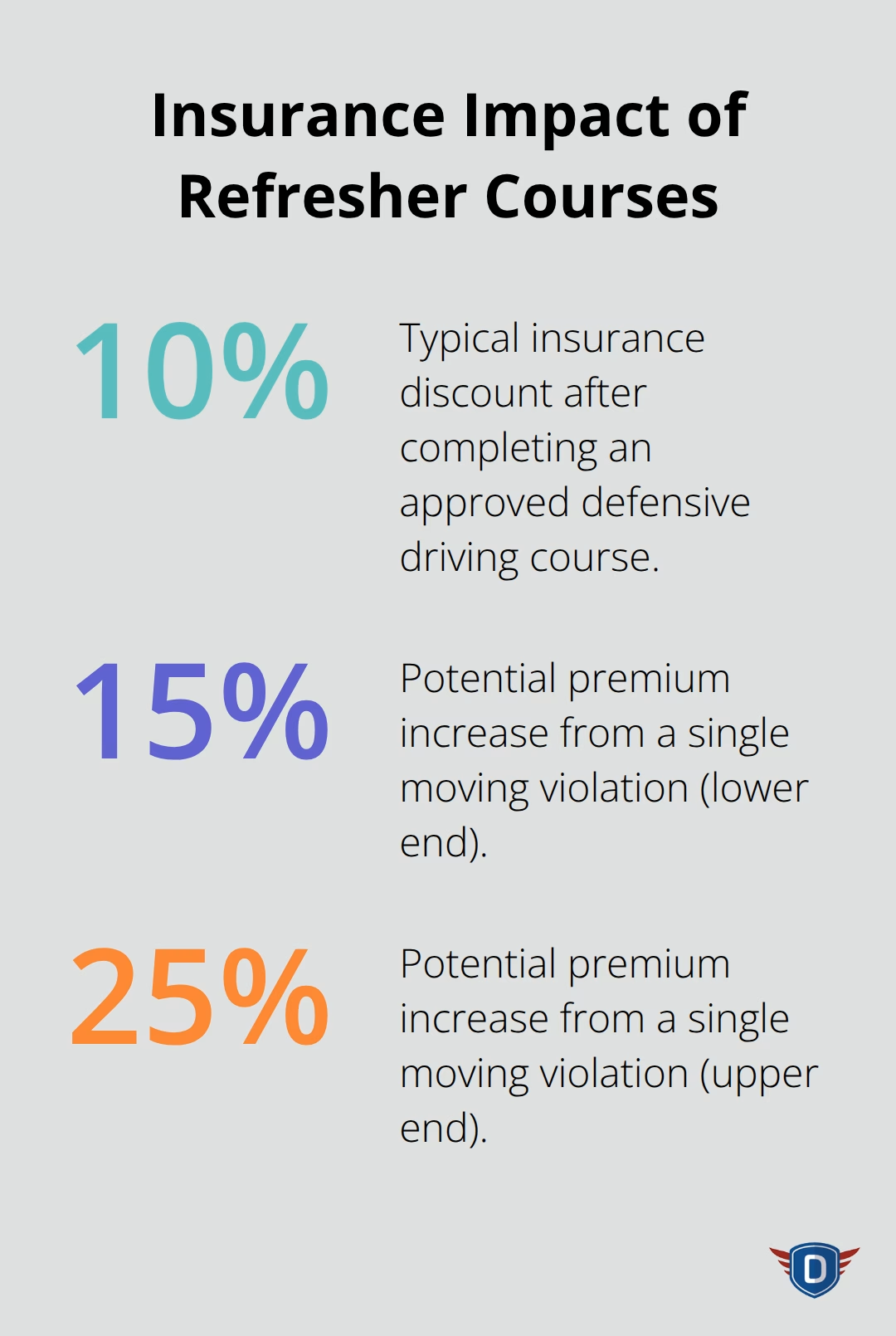
Taking a refresher course isn’t just about safety-it’s about money. Most insurance companies offer discounts when you complete an approved defensive driving course. A 10% discount on a $1,500 yearly insurance bill means you save $150, with the discount usually lasting for three years, totaling $450 in savings. More importantly, refresher courses help you avoid traffic violations that would spike your premiums. A single moving violation can increase your insurance costs by 15% to 25% for three years.
Completing a Basic Driver Improvement course within 30 days of a violation can prevent points from being added to your record, avoiding that premium increase entirely.
What makes Florida roads unique
Florida’s driving environment differs significantly from other states. Sudden downpours reduce visibility in seconds, forcing drivers to adjust braking and following distances instantly. Tourist traffic on major highways creates unpredictable lane changes and congestion that tests your awareness. Flat terrain and long sight lines can deceive you into misjudging speed and distance. A refresher course addresses these specific challenges head-on, teaching you how weather, traffic patterns, and road design affect your safety. Understanding these regional hazards transforms how you approach every drive.
What to Expect From Florida Refresher Courses
Florida refresher courses come in several formats, each designed to fit different schedules and learning preferences. The 4-hour Basic Driver Improvement course works best if you need quick point reduction or want to qualify for an insurance discount. The 8-hour Intermediate Driver Improvement course provides deeper instruction and applies when you have multiple violations within 12 months. The 12-hour Advanced Driver Improvement course addresses the most serious situations: license suspension cases or classification as a habitual traffic offender. All three options are completed 100% online and self-paced, so you control when and where you study. You can access courses from your phone, tablet, or computer and pause whenever life demands it. Most students complete the 4-hour course in two to three days, while the 8-hour and 12-hour options typically take one to two weeks depending on study frequency. The Florida Department of Highway Safety and Motor Vehicles requires timed modules and final assessments in all courses, so you cannot skip ahead or rush through content.
Course Structure and Time Commitment
The format you choose depends on your violation history and licensing situation. A single moving violation calls for the 4-hour option, which fits into a busy schedule without sacrificing quality instruction. Multiple violations within a 12-month period require the 8-hour course, which deepens your understanding of safe driving principles.
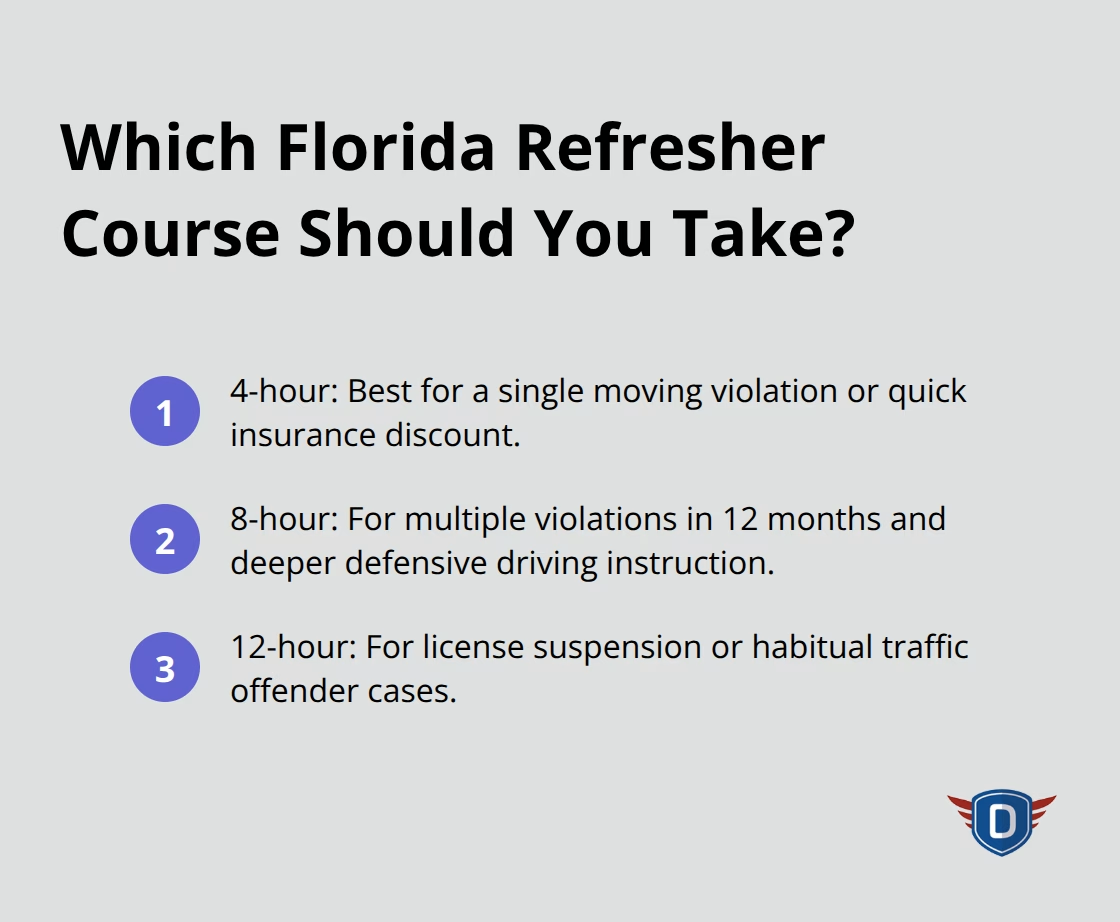
License suspension or habitual offender status demands the 12-hour comprehensive program. Each course structure respects your time while meeting state requirements. Completion certificates submit electronically to the FLHSMV within 24 to 72 hours, eliminating paper documents and manual filing.
Florida-Specific Driving Challenges
The curriculum tackles Florida-specific hazards rather than generic road safety. You learn how to brake and maintain following distance when sudden rainstorms reduce visibility to near zero. Congested expressways during tourist season demand different strategies than empty highways. Flat terrain hides blind spots that drivers in other states never encounter. Real-life scenarios teach decision-making under pressure: how to respond when an aggressive driver cuts you off or when visibility drops from clear to zero in seconds. These practical applications transform abstract rules into actionable skills.
Traffic Laws and Defensive Techniques
Updated traffic laws receive thorough coverage, including penalties for handheld device use in school and work zones, right-of-way rules at complex intersections, and how Florida’s point system actually affects your driving record and insurance costs. Defensive driving techniques focus on early hazard recognition, not just reaction time. You learn to scan ahead for potential conflicts, position your vehicle defensively in traffic, and manage stress behind the wheel so emotions do not override judgment. The content addresses how attitude and behavior affect driving choices, because statistics show that overconfidence and impatience cause far more crashes than mechanical failure.
What You’ll Master
The courses teach safe following distances, weather adaptation, and risk awareness as core competencies. You understand how to handle aggressive drivers, recognize hazardous road conditions, and make sound decisions under pressure. The curriculum includes sections on stress management and how your mental state influences your choices on the road. These skills stick with you long after you complete the course, shaping how you approach every drive.
The knowledge you gain in these courses directly prepares you for the practical skills and defensive techniques that separate safe drivers from those who accumulate violations and insurance penalties.
Practical Skills and Knowledge You’ll Gain
Defensive Driving Techniques for Florida Roads
Defensive driving on Florida roads means anticipating problems before they materialize, not reacting after they happen. The Florida Department of Highway Safety and Motor Vehicles emphasizes early hazard recognition as the foundation of safe driving, and this directly translates to fewer crashes and violations. You scan the road 12 to 15 seconds ahead instead of watching only what’s directly in front of your vehicle, which gives you time to adjust speed or position before danger develops. In sudden rainstorms-Florida’s most common hazard-this forward scanning prevents the panic braking that causes rear-end collisions.
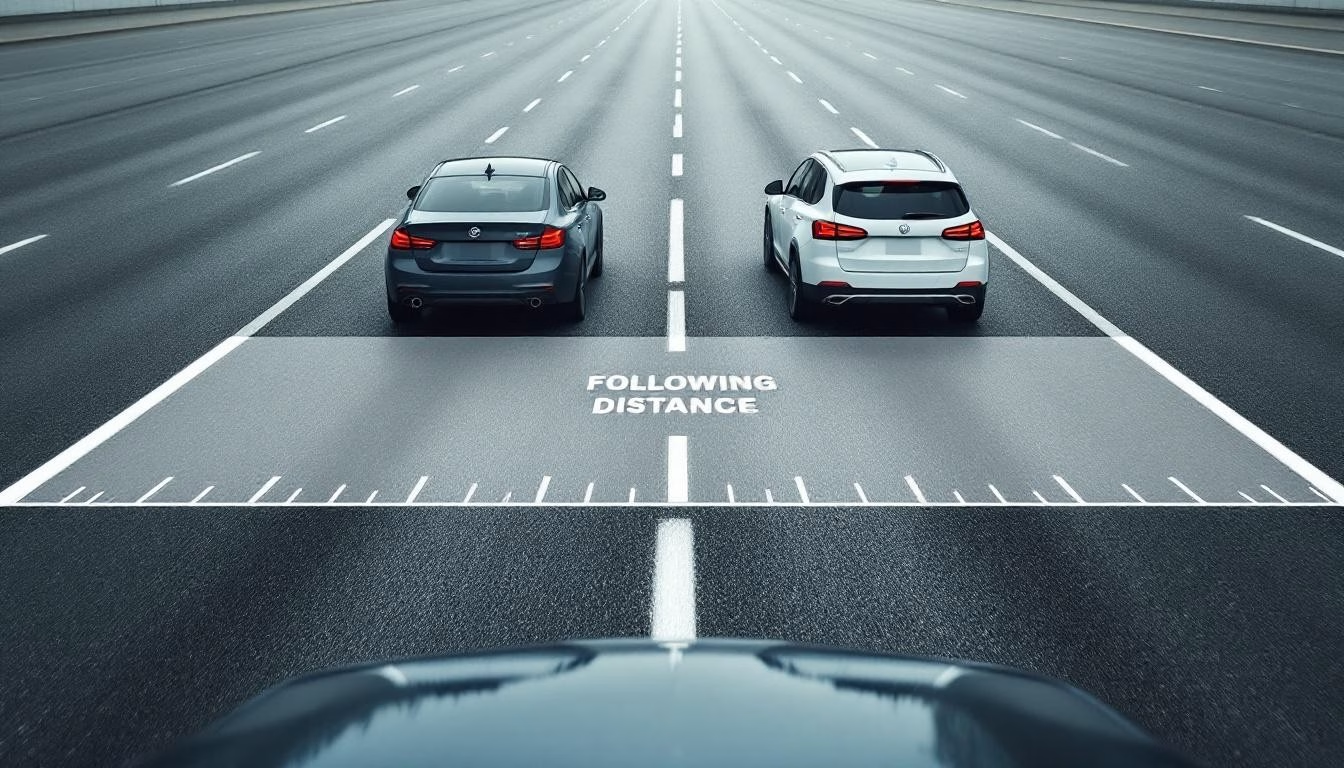
You master the specific technique of increasing your following distance from the standard three seconds to five or six seconds when visibility drops below 500 feet. Following distance in wet conditions matters because wet pavement cuts tire grip by up to 50 percent compared to dry conditions, with the first 10 to 15 minutes of rainfall being the most treacherous. Tourist traffic on I-95 and the Florida Turnpike demands different positioning than normal driving; you position yourself on the right side where you have an escape route if another driver cuts into your space, rather than occupying the center lane where unpredictable lane changes happen most frequently.
Aggressive drivers present a constant threat in Florida’s congested corridors. You learn exactly how to respond: maintain your speed, avoid eye contact, and create distance rather than engaging in a confrontation that escalates into road rage. Your goal is arriving alive, not winning an argument with another driver.
Understanding Florida’s Traffic Laws and Penalties
Florida’s traffic laws carry specific penalties that directly affect your wallet and driving record. Handheld device use in school and work zones carries a $30 minimum fine plus points, and school zones extend 500 feet in each direction during specific hours-violating this costs you points and insurance increases. Right-of-way at roundabouts differs from four-way stops, and Florida’s increasing use of roundabouts means you encounter them regularly in suburban areas.
The point system directly affects your finances: one moving violation adds three points, two violations within 12 months triggers mandatory 8-hour coursework, and 12 points in 12 months means a 30-day license suspension. You learn how to calculate your point total and understand that completing a Basic Driver Improvement course within 30 days of a violation removes the points entirely, saving you from that cascade of insurance increases and mandatory courses.
Managing Distractions and Improving Decision-Making
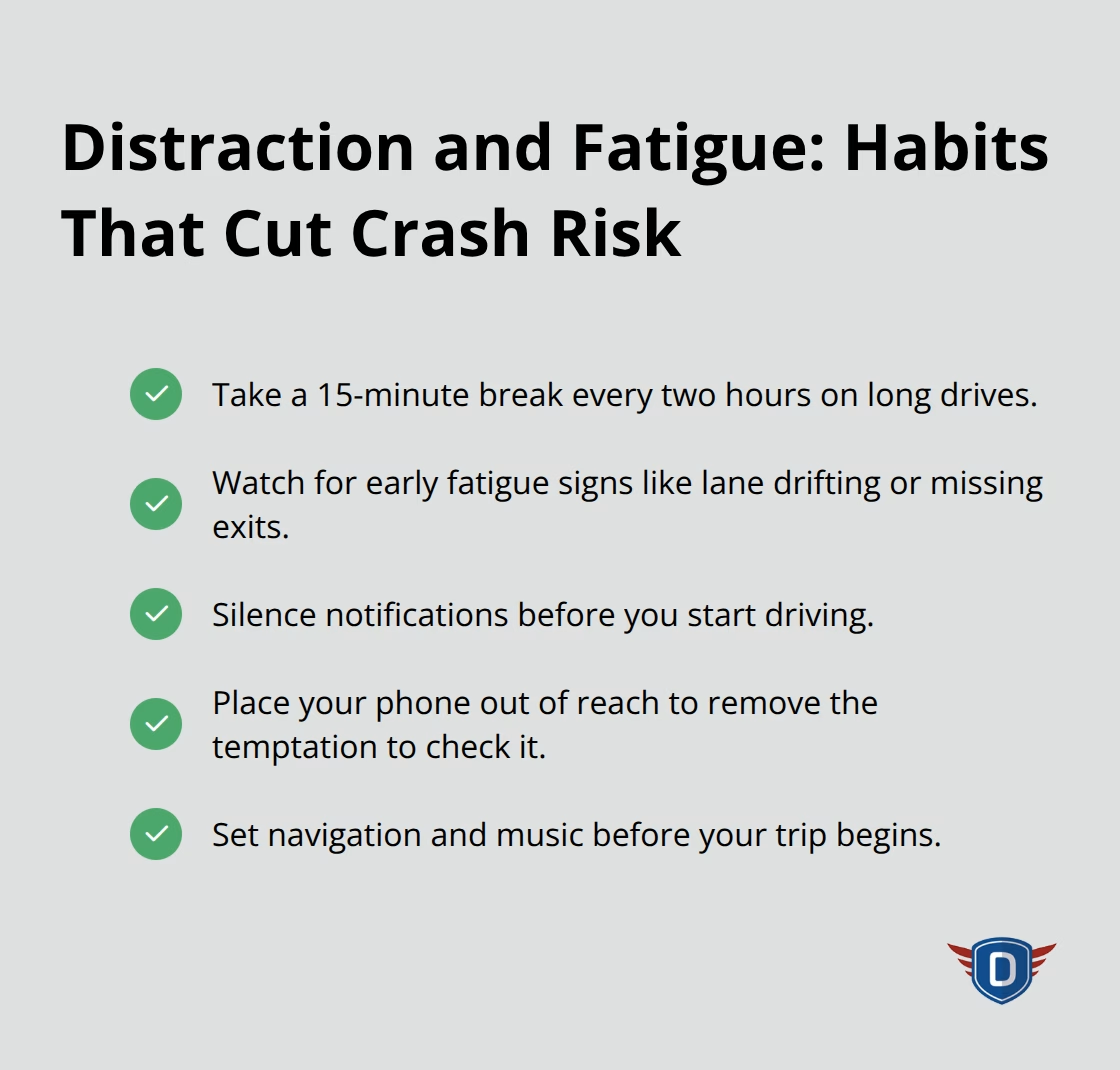
Decision-making behind the wheel improves when you understand how stress, fatigue, and overconfidence distort your judgment. Florida’s heat and long drives to tourist destinations create fatigue that impairs your reaction time as much as alcohol does, yet most drivers underestimate this risk. You learn specific techniques: pull over for a 15-minute break every two hours on long drives, recognize the early signs of fatigue like drifting between lanes or missing exits you planned to take, and understand that your phone is not just a distraction-it’s a weapon that removes your attention for an average of 5 seconds per glance, which at 60 miles per hour means traveling the length of a football field blind.
You silence notifications, place your phone out of reach, and handle navigation before you start driving rather than adjusting it mid-route. These practical habits transform how you operate a vehicle and directly reduce your crash risk.
Final Thoughts
A refresher driving course in Florida transforms how you operate behind the wheel and directly reduces your crash risk. The defensive techniques you learn-early hazard recognition, proper following distances, and stress management-stick with you for years after completion. You stop accumulating violations, your insurance premiums stay stable or drop, and you regain the confidence that comes from knowing you can handle Florida’s unpredictable roads.
Staying current with driver education means you adapt to changing traffic laws before they catch you off guard. You understand new penalties for handheld device use, updated right-of-way rules at roundabouts, and how Florida’s point system actually works. This knowledge prevents costly violations that would otherwise spike your insurance rates for three years, saving you thousands of dollars over a decade.
floridanewdriver.com offers Florida-approved refresher driving course options that fit your specific situation, whether you need a quick 4-hour refresher for an insurance discount or a comprehensive 12-hour program for license reinstatement. Our courses are 100% online, self-paced, and available on any device, with your completion certificate submitted electronically to the FLHSMV within 24 to 72 hours.