Mature drivers often wonder about refresher course timing-and for good reason. Insurance discounts, updated traffic laws, and changing physical abilities all factor into this decision.
At floridanewdriver.com, we help drivers understand when a refresher course makes sense for their situation. This guide covers legal requirements, warning signs, and real benefits that matter to your wallet and safety.
What Do State Laws Require for Mature Driver Refreshers?
Florida’s Refresher Course Eligibility and Benefits
State regulations determine when and how often mature drivers must complete refresher training, and these requirements vary significantly across jurisdictions. In Florida, drivers aged 55 and older qualify for insurance discounts by completing an approved Mature Driver Course. Florida doesn’t mandate refreshers at a specific age like some states do. Instead, the state ties refresher eligibility to insurance benefits and point reduction. If you receive a moving violation, completing a Basic Driver Improvement course through an FLHSMV-approved program can reduce points on your license and potentially lower insurance premiums. The key advantage: completing an approved course stops points from being added to your record, which directly protects your wallet.
How Other States Structure Refresher Requirements
Ontario drivers over 80 face stricter oversight, as they may need tests or refresher training when renewing their license, showing how aging-focused regulations can escalate with jurisdiction. Pennsylvania offers a concrete example of incentive-based requirements: drivers aged 55 and older qualify for a 5% auto insurance discount by completing the state’s Basic Mature Driver Improvement Course. To maintain that discount, they must retake the refresher course every three years. This three-year cycle reflects a practical reality: driving habits drift, road technologies evolve, and vision changes accumulate over time.
Court-Ordered Refresher Mandates
Court-ordered refresher mandates apply when you receive traffic violations or become involved in accidents. If a judge orders you to complete driver improvement training, you must enroll in a court-approved program within a specified timeframe, typically 30 to 90 days depending on your state. Failure to complete the course can result in license suspension or additional penalties. The takeaway: don’t wait for a court order or an insurance rate hike to act. Proactive refresher training protects your driving record, maintains lower premiums, and keeps you aligned with evolving traffic laws that your state updates regularly.
Why Staying Current Matters
Florida statutes change frequently, and approved courses reflect new statutes, roadway technologies, and safety campaigns regularly. This means you learn current rules, not outdated ones. Whether your state offers incentives like insurance discounts or imposes stricter requirements based on age, understanding your local regulations helps you stay compliant and protected. The next section examines the warning signs that indicate when a refresher course becomes necessary for your safety and confidence.
Warning Signs That Point to a Refresher Course
Vision and Reaction Time Changes
Vision changes and reaction time slowdowns are among the most concrete indicators you need a refresher. According to CAA research, aging can slow vision, narrow your field of view, and delay near-to-far focus adjustment. If you notice yourself squinting at traffic signs, struggling to read distances clearly, or taking longer to react when a car suddenly brakes ahead, these aren’t minor inconveniences-they directly affect your safety margin on the road.
Specific warning signs include missing turn signals you normally catch, getting turned around on routes you’ve driven for years, and experiencing an uptick in close calls. The CDC reports that drivers aged 70 and older have higher crash death rates per 1,000 crashes, with fatal crash risk rising starting at age 70�74 and peaking among those 85 and older. That statistic underscores why vision and reaction time matter so much.
Night Driving and Low-Light Challenges
If you squint at night driving, you should seriously consider limiting it or taking a refresher that addresses low-light scenarios. Night driving safety declines as vision worsens, so a course that covers headlight glare, contrast issues, and compensatory techniques becomes essential rather than optional. Many mature drivers find that night driving creates the most stress, and addressing this specific challenge through targeted training can restore confidence on evening trips.
Modern Vehicle Technology and Updated Traffic Laws
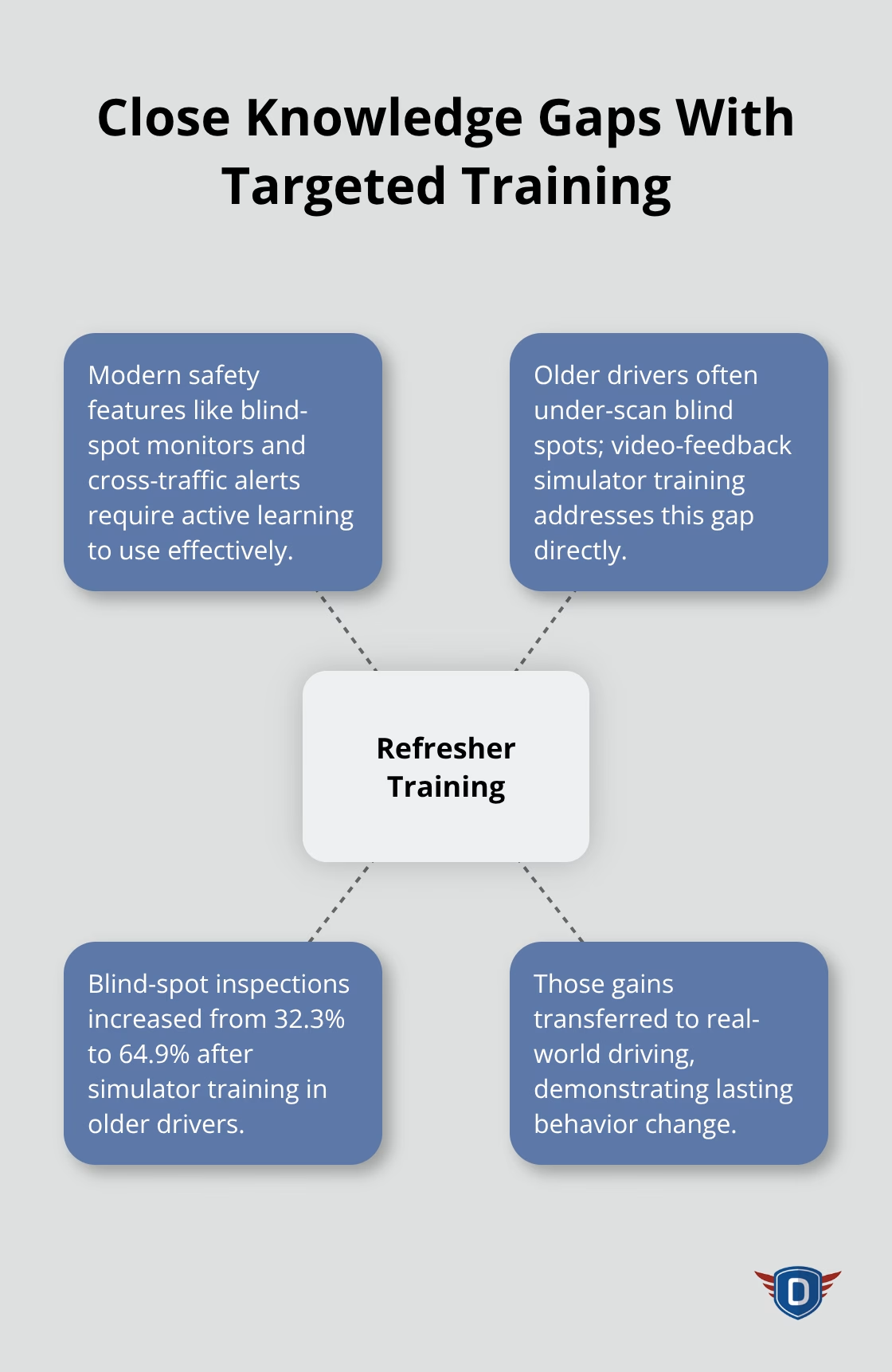
Road technologies and traffic laws shift faster than most drivers realize, making knowledge gaps a genuine safety risk. Modern vehicles now include blind-spot monitors, rear cross-traffic alerts, and parking sensors-features many mature drivers haven’t fully learned. Research by Lavalli�re and colleagues found that older drivers tend to scan less at critical areas like blind spots, but simulator training with driving-specific video feedback increased blind-spot inspections from 32.3% pre-training to 64.9% post-training. That improvement transferred to real-world driving, proving that targeted refresher training actually changes behavior.
Anxiety and Uncertainty Behind the Wheel
Anxiety or uncertainty behind the wheel is equally telling. If you feel nervous navigating heavy traffic, hesitate at intersections, or avoid downtown routes or nighttime driving, a refresher course specifically designed for mature drivers addresses these concerns through gradual exposure and real-world practice in challenging contexts. Anxiety often stems from outdated knowledge or unfamiliar vehicle features, both of which a quality refresher resolves quickly.
A mature driver refresher covers updated signage, lighting, road design changes like roundabouts, and modern vehicle technology-all practical skills that restore confidence without judgment. These courses also teach you to recognize slower reaction times and reduced peripheral vision, with compensations like longer following distances and daytime driving when possible. The next section examines the concrete benefits that refresher courses deliver to your insurance costs and long-term driving independence.
Benefits of Regular Refresher Training
Insurance Discounts That Add Up Fast
Insurance discounts from refresher courses deliver measurable savings that accumulate quickly. In Pennsylvania, drivers aged 55 and older receive a 5% auto insurance discount immediately after completing the Basic Mature Driver Improvement Course, and maintaining that discount requires retaking the refresher every three years. A 5% reduction on a typical mature driver’s annual premium of $1,200 to $1,500 saves $60 to $75 per year, which compounds to $180 to $225 over the three-year cycle before the next course is due. More importantly, completing an approved refresher stops moving violation points from being added to your driving record, which prevents the much steeper premium increases that follow traffic tickets. A single moving violation can raise your insurance costs by 15% to 40% depending on your carrier and violation type, so a $100 to $150 refresher course investment pays for itself many times over by keeping your record clean and your premiums stable. Voluntary enrollment allows flexible timing and course selection, often qualifying for even greater discounts over time.
Updated Skills That Research Proves Work
Regular refresher training addresses the specific skills that research shows decline with age. A study published in Accident Analysis and Prevention found that simulator training with driving-specific video feedback increased blind-spot inspections in older drivers, and these improvements transferred directly to real-world driving behavior. This matters because blind-spot awareness ranks among the most critical safety gaps in mature drivers, and updating this single habit reduces your accident risk substantially.
Modern vehicle technology compounds this need: features like blind-spot monitors, rear cross-traffic alerts, and parking sensors require active learning to use effectively. A quality refresher course walks you through these systems in your current vehicle rather than leaving you to figure them out through trial and error. Road designs also shift faster than many drivers expect, with more roundabouts replacing traditional intersections in many regions, and updated traffic signage standards rolling out gradually. Staying current with these changes through regular refresher training keeps your decision-making sharp and prevents the confusion that leads to hesitation at critical moments.
Confidence That Expands Your Independence
Confidence behind the wheel directly influences how often and how far you drive, which ultimately determines your independence and quality of life. Drivers who feel anxious navigating heavy traffic or avoid nighttime driving start restricting their routes, which shrinks their mobility and forces them to rely on family members or ride-sharing services for routine trips. A refresher course that includes real-world practice in challenging contexts (such as heavy traffic, bad weather, and night driving) rebuilds your comfort zone and expands the routes you can handle safely.
Quality refresher programs emphasize practical skills updates for today’s traffic, including lane-change, merging, and intersection techniques, plus ergonomic adjustments like setting mirrors and seats for current comfort and navigating new touchscreen navigation systems. The psychological benefit is substantial: when you understand how aging affects your vision and reaction time, and you learn compensations like longer following distances and daytime-preferential driving, you shift from anxiety-driven avoidance to informed decision-making. This shift restores your sense of control and allows you to maintain the independence that driving provides without overestimating your abilities or taking unnecessary risks.
The Real Cost of Skipping Refresher Training
Skipping refresher training exposes you to hidden costs that extend far beyond insurance premiums. Outdated knowledge about traffic laws, unfamiliar vehicle features, and unaddressed vision or reaction time changes create accident risk that compounds over time. One collision can trigger insurance rate increases of 20% to 50%, medical bills, vehicle repairs, and potential liability claims that dwarf the cost of a refresher course. The financial protection through insurance discounts, improved safety through updated skills, and renewed confidence through practical training make regular refresher courses the most cost-effective investment a mature driver can make in their long-term driving independence.
Final Thoughts
The timing of your next refresher course depends on your state’s regulations, your insurance policy, and the warning signs you’re experiencing. If you live in Pennsylvania, renew your license every three years to maintain your 5% discount, and if you’re in Florida and received a moving violation, enroll within the timeframe your court specifies. Beyond legal requirements, refresher course timing should align with noticeable changes in your driving confidence, vision clarity, or reaction speed.
We at floridanewdriver.com offer a 6-hour Mature Driver Course designed specifically for drivers aged 55 and older, covering updated traffic laws, modern vehicle technology, and defensive techniques that research proves effective. The course is fully online, self-paced, and available in English, Spanish, and Portuguese, so you can complete it from any device on your schedule. Upon completion, your certificate is reported directly to the Florida Department of Highway Safety and Motor Vehicles, ensuring you qualify for insurance discounts and meet any court or licensing requirements.
Schedule your refresher course with floridanewdriver.com today and drive with the knowledge that you’re current with Florida’s traffic laws, equipped with modern vehicle skills, and prepared for the roads ahead. Taking action now protects your wallet through insurance savings, sharpens your skills through evidence-based training, and expands your independence by rebuilding confidence behind the wheel.