
Most drivers think defensive driving means staying alert. It’s actually a set of advanced defensive driving strategies that separate safe drivers from accident-prone ones.
At floridanewdriver.com, we’ve seen firsthand how mastering hazard recognition, adapting to road conditions, and controlling your vehicle prevents collisions. The skills in this guide work in real traffic, not just theory.
Situational Awareness and Hazard Recognition
Scan Your Environment With Purpose
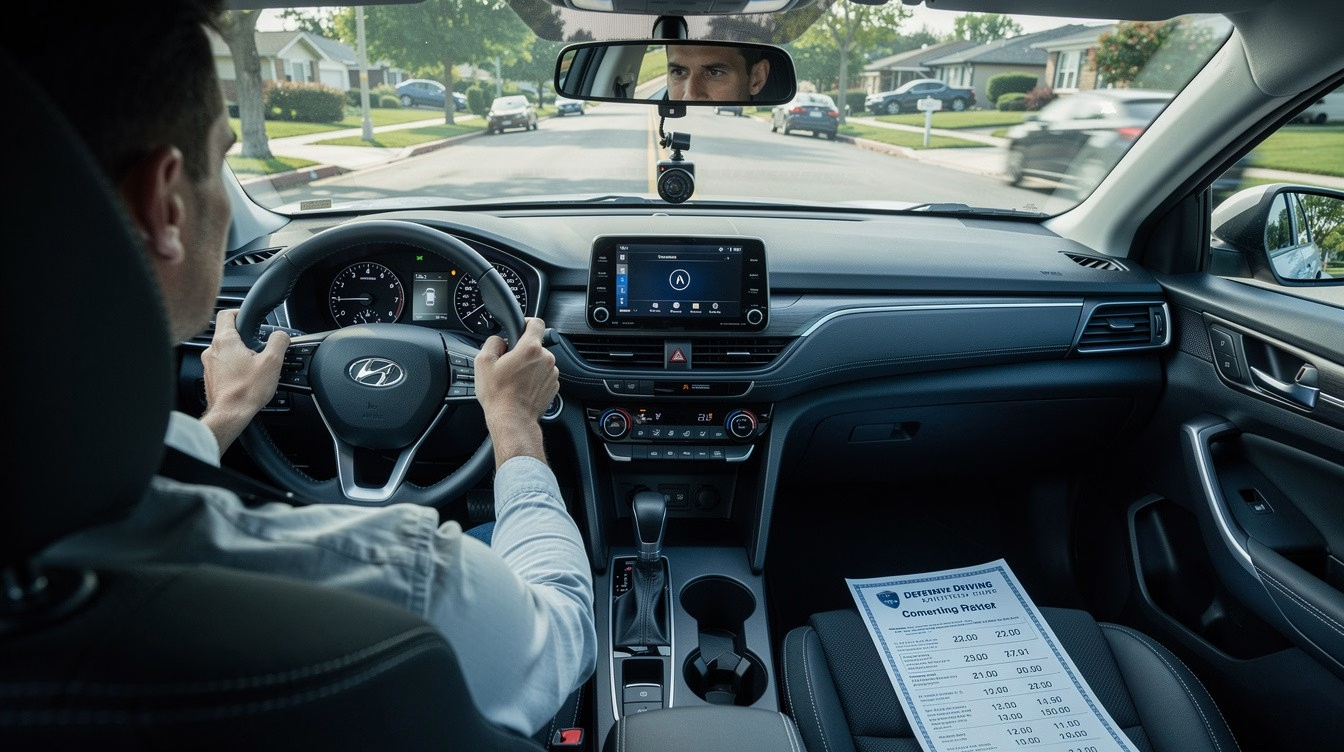
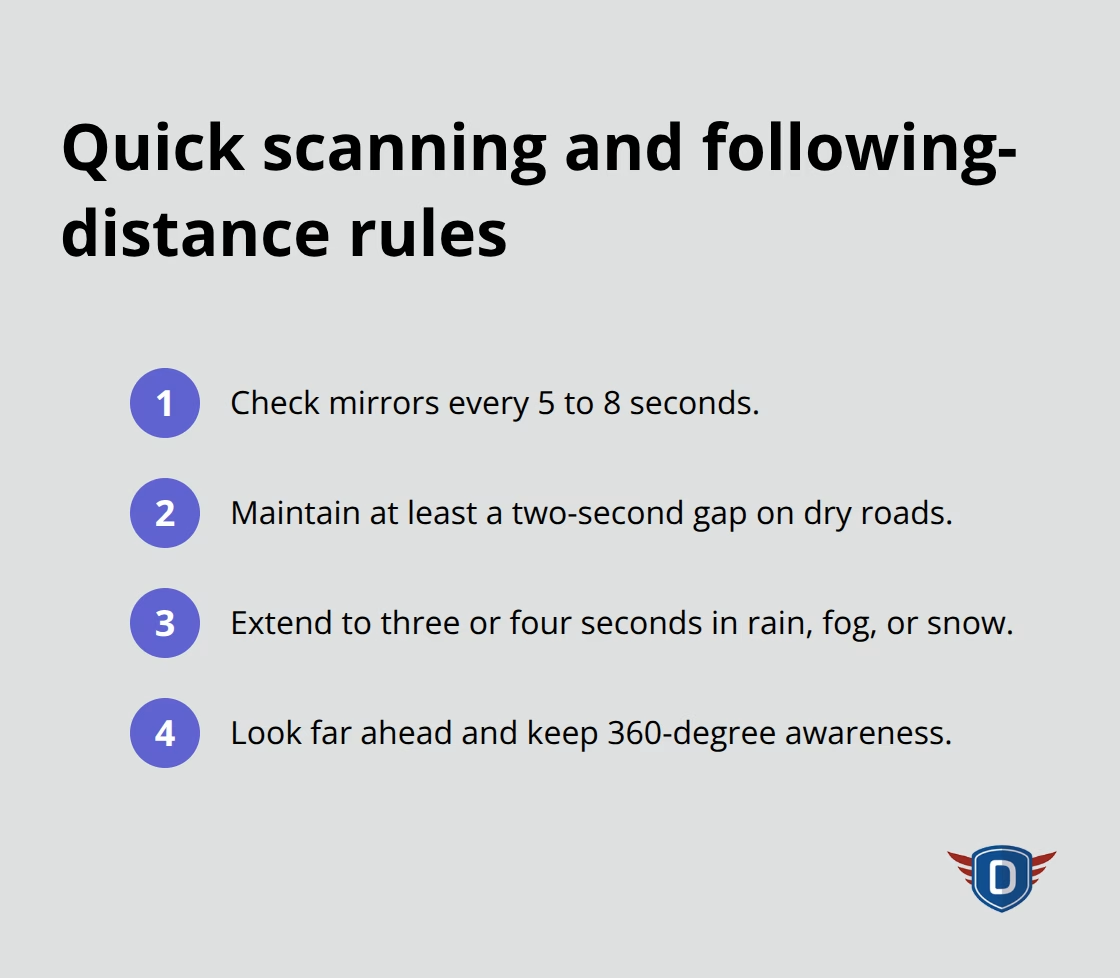
Scanning your environment is not about glancing around randomly. It’s a disciplined system where you check your mirrors every 5 to 8 seconds, look ahead on the road, and maintain 360-degree awareness of vehicles, pedestrians, and road hazards. According to the New York DMV, rear-end crashes account for about four in every ten crashes, which means most drivers fail at this basic scanning habit. The two-second rule helps here: pick a fixed object ahead, count the seconds between when the car in front passes it and when you do, and if you reach it before two seconds, you’re following too closely.
In rain, fog, or snow, extend this to three or four seconds. This isn’t complicated, but it requires constant attention. Most drivers spend too much time focused on the road directly ahead and miss threats developing in adjacent lanes or from side streets.
Look Far Enough Ahead to React
High-risk situations emerge when you fail to recognize them early, which is why looking ahead matters more than staring at the car in front of you. Your eyes should travel constantly across the road surface, checking for debris, wet pavement, or sudden brake lights in the distance. This forward focus gives you time to adjust speed or position your vehicle before danger arrives.
Spot Erratic Drivers and Hazards Early
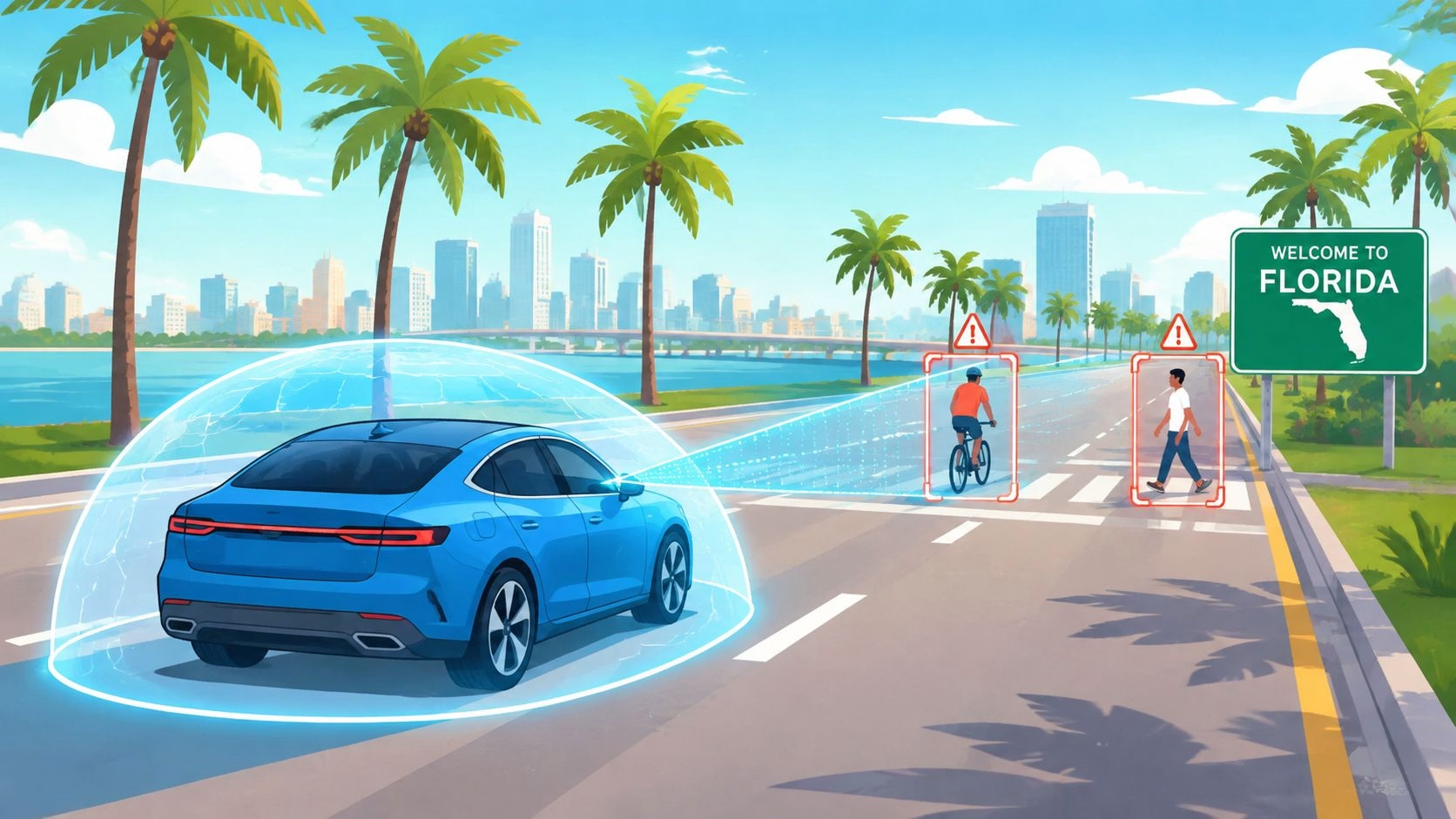
A driver weaving between lanes, accelerating and braking unpredictably, or tailgating others signals aggressive driving-create distance and avoid engaging. Children playing near streets, parked vehicles with open doors, and wet pavement after rain all demand speed adjustments before you reach them. The key is positioning your vehicle to have an escape route: if a car ahead suddenly brakes, can you change lanes safely, or will you hit them?
Anticipate Problems Before They Develop
Defensive drivers anticipate scenarios constantly, which means slowing down when visibility drops, staying out of the middle lane on multi-lane roads, and avoiding blind spots of large trucks. Weather amplifies hazard recognition: reduce speed by 1/3 on wet roads and maintain a minimum 10-second following distance on snow or ice (these adjustments prevent skids and extend your stopping distance). Most collisions happen because drivers react instead of anticipate. Your job is to spot the problem when you still have options.
Prepare for What Comes Next
Once you master these scanning habits, you’ll notice how road conditions change your approach to speed and vehicle control. The next section covers how to adapt your driving technique when roads turn wet, visibility drops at night, or aggressive drivers create unpredictable situations around you.
Defensive Techniques for Different Road Conditions
Reduce Speed on Wet Roads
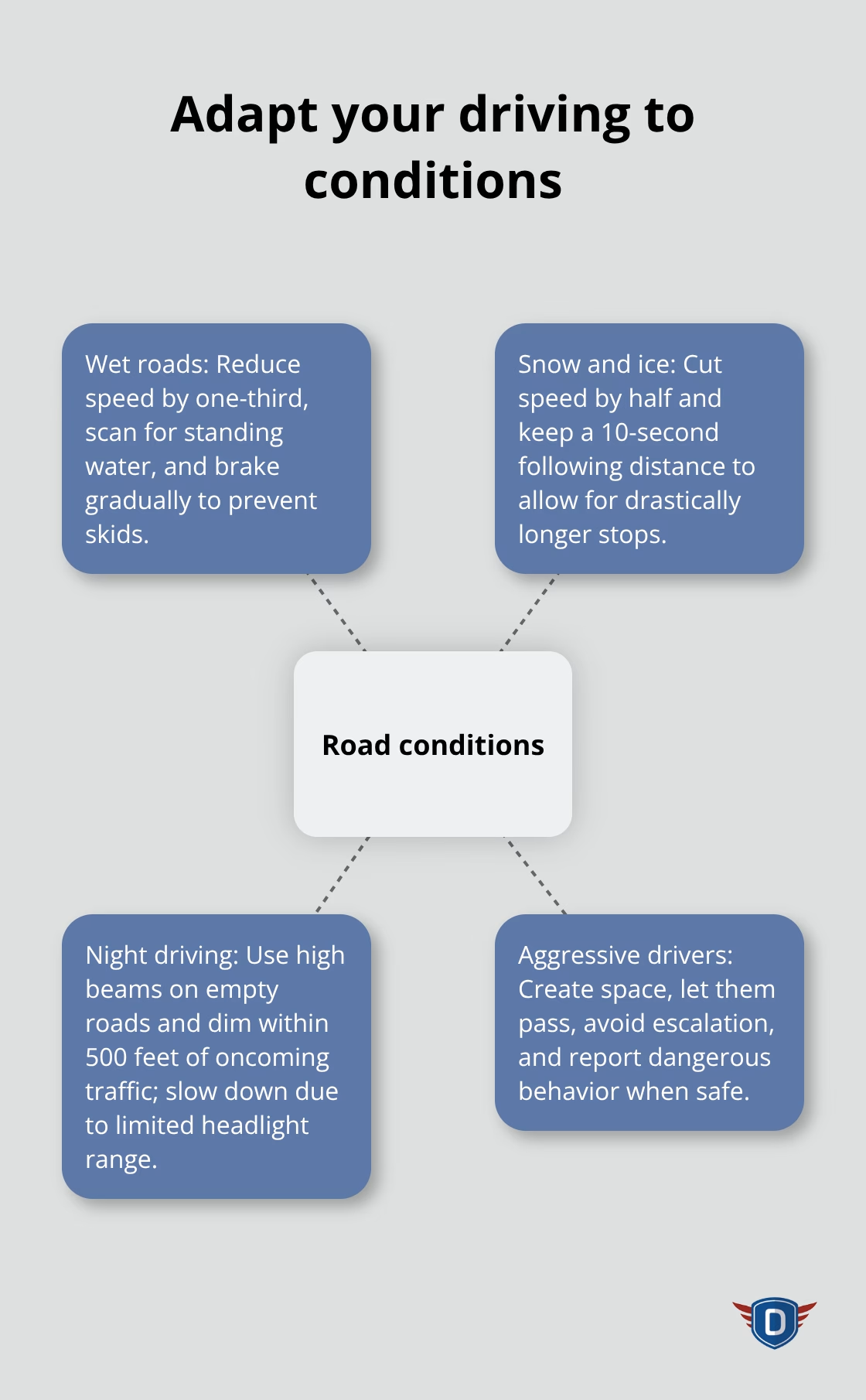
Wet roads demand immediate speed reduction. According to the New York DMV, you should reduce speed by roughly one-third on wet pavement to maintain traction and extend stopping distance. This isn’t a suggestion-it’s physics. A car traveling 60 mph on dry asphalt needs about 130 feet to stop; on wet roads, that distance stretches to over 200 feet.
The moment rain begins, shift your attention to road surface conditions ahead. Look for standing water, which indicates hydroplaning risk, and avoid braking hard in these zones. Gradual braking and smooth acceleration prevent skids by keeping weight distributed evenly across your tires.
If you feel your vehicle start to skid, resist the urge to slam the brakes. Instead, ease off the accelerator and steer in the direction you want the front of the car to go until traction returns.
Navigate Snow and Ice With Extreme Caution
Snow and ice demand far more aggressive speed cuts than rain. The New York DMV recommends reducing speed by half and maintaining a minimum 10-second following distance on snow or ice, compared to the two-second rule on dry roads. Most drivers underestimate how much slower they need to go, which is why rear-end collisions spike during winter months.
These adjustments prevent skids and extend your stopping distance when friction disappears. Winter conditions strip away your vehicle’s grip on the road, leaving almost no margin for error.
Master Night Driving Techniques
Night driving strips away peripheral vision and extends reaction time. The New York DMV identifies fatigue as a major threat during low-visibility hours, particularly between midnight and 6 am when drowsy driving crashes peak. Use high beams on empty roads, but switch to low beams within 500 feet of oncoming traffic to avoid blinding other drivers.
Reduce speed at night-even on familiar roads-because your headlights illuminate only 250 feet ahead at 60 mph, leaving little margin for error. This reduced visibility demands slower reactions and wider safety margins.
Handle Aggressive Drivers Without Escalation
Aggressive drivers create unpredictable hazards that scanning alone cannot prevent. If someone tailgates you, do not brake suddenly or match their aggression. Instead, ease off the accelerator gradually to create distance, or change lanes and let them pass.
Road rage escalates when drivers respond to provocation, and the New York DMV warns that aggressive driving fines double in construction zones and can result in license suspension. Stay calm, avoid eye contact, and report dangerous drivers to authorities with a license plate and description.
Aggressive driving includes speeding, tailgating, and erratic lane changes-behaviors that leave no escape route when hazards emerge. Your job is to maintain composure and positioning that keeps you safe, not to teach other drivers a lesson. These defensive techniques work only when you control what you can control: your speed, your distance, and your response to chaos around you. The next section shows how to apply these skills through practical accident-prevention methods that work in real traffic situations.
Practical Skills to Prevent Accidents
The Two-Second Rule Falls Short at Highway Speeds
The distance between your vehicle and the one ahead determines whether you stop safely or collide. Most drivers follow too closely because they misjudge stopping distance, especially at highway speeds. At 55 mph, your car needs roughly 216 feet to stop on dry pavement-that’s about 4.5 seconds of travel time. The three-second rule fails at higher speeds and in poor conditions, which is why defensive drivers use it as a minimum on dry roads and extend to four or five seconds in rain, snow, or when following large trucks.
Apply the Three-Second Test in Real Traffic
To apply this correctly, pick a fixed object like a road sign or tree, note when the vehicle ahead passes it, then count how many seconds pass before your front bumper reaches that same point. If you count fewer than three seconds, you’re too close and must ease back. This simple test works in real traffic and reveals how aggressive most drivers actually follow. Tailgating wastes fuel, increases brake wear, and eliminates your escape route when hazards emerge suddenly.
Smooth Braking Maintains Traction and Control
Braking and speed control work together to prevent skids and maintain traction. Smooth, gradual braking keeps weight distributed across all four tires, while hard braking transfers weight forward and reduces grip on the rear wheels. On wet or icy roads, this means you lose steering control precisely when you need it most. Instead of waiting until the last moment and slamming the brakes, anticipate stops (release the accelerator early and apply steady pressure to the brake pedal). Your vehicle position matters equally-stay out of the center lane on three-lane highways to keep away from cross-traffic hazards, while positioning toward the outside of curves helps your tires maintain grip.
Signal Early and Check Blind Spots Before Lane Changes
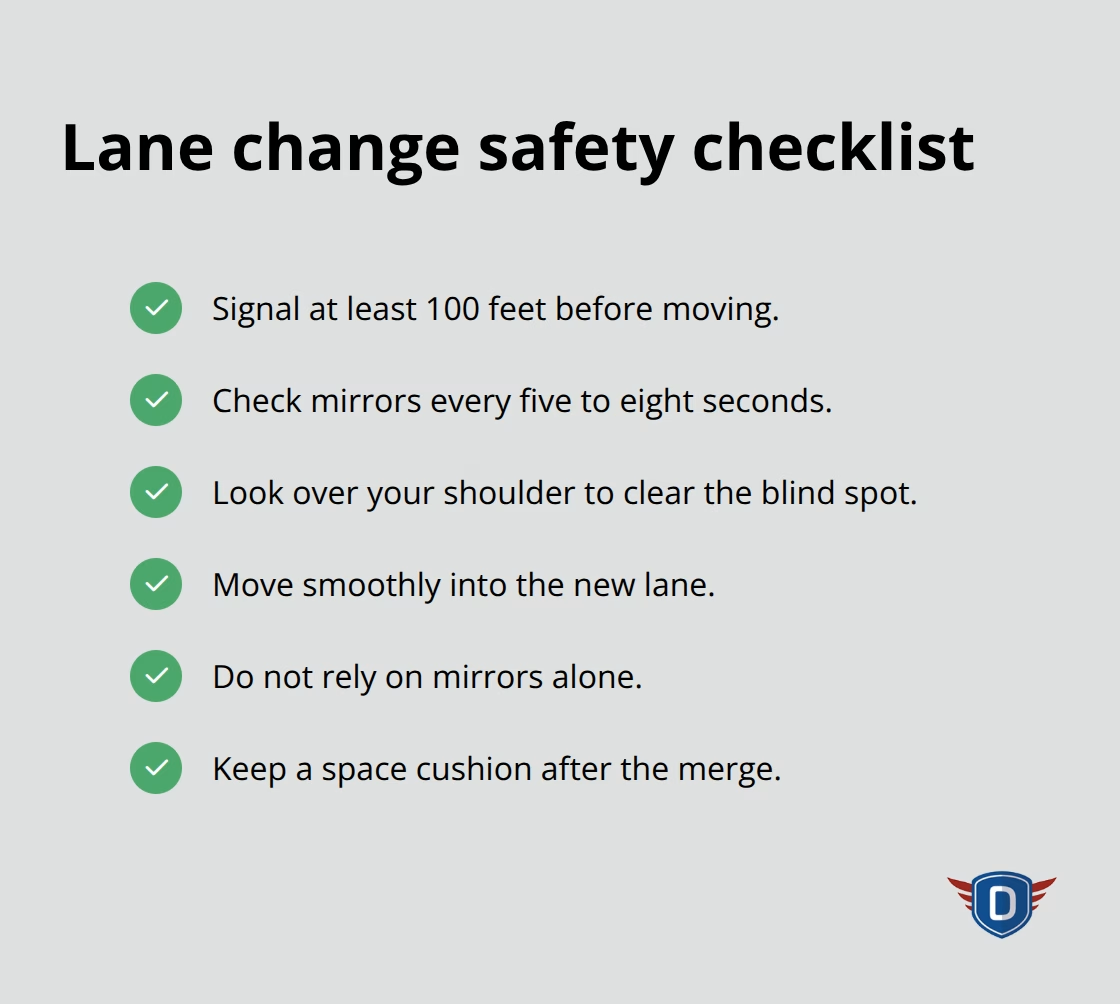
When changing lanes, signal at least 100 feet before the maneuver, check your mirrors every five to eight seconds, and look over your shoulder to confirm the blind spot is clear before moving smoothly into the new lane. Never rely on mirrors alone, as they miss large areas where vehicles hide. These positioning habits create space cushions that give you options when other drivers make sudden moves (they work because you apply them constantly, not just when danger feels obvious).
Final Thoughts
Advanced defensive driving strategies work because they address the root cause of collisions: drivers who react instead of anticipate. The techniques covered in this guide-scanning your environment, adapting to road conditions, and controlling your vehicle-form a system that prevents accidents before they happen. Mastery requires consistent practice, not occasional application.
At floridanewdriver.com, we build these skills through structured instruction that combines classroom knowledge with real-world driving practice. Our comprehensive driver education program teaches defensive driving techniques, safe following distances, and crash avoidance strategies using clear explanations and real-life scenarios. Students learn how attitude and behavior affect decision-making behind the wheel, which separates drivers who survive mistakes from those who don’t.
The cost of professional instruction is far lower than the cost of a single collision. Enroll today and make safer driving a permanent habit.