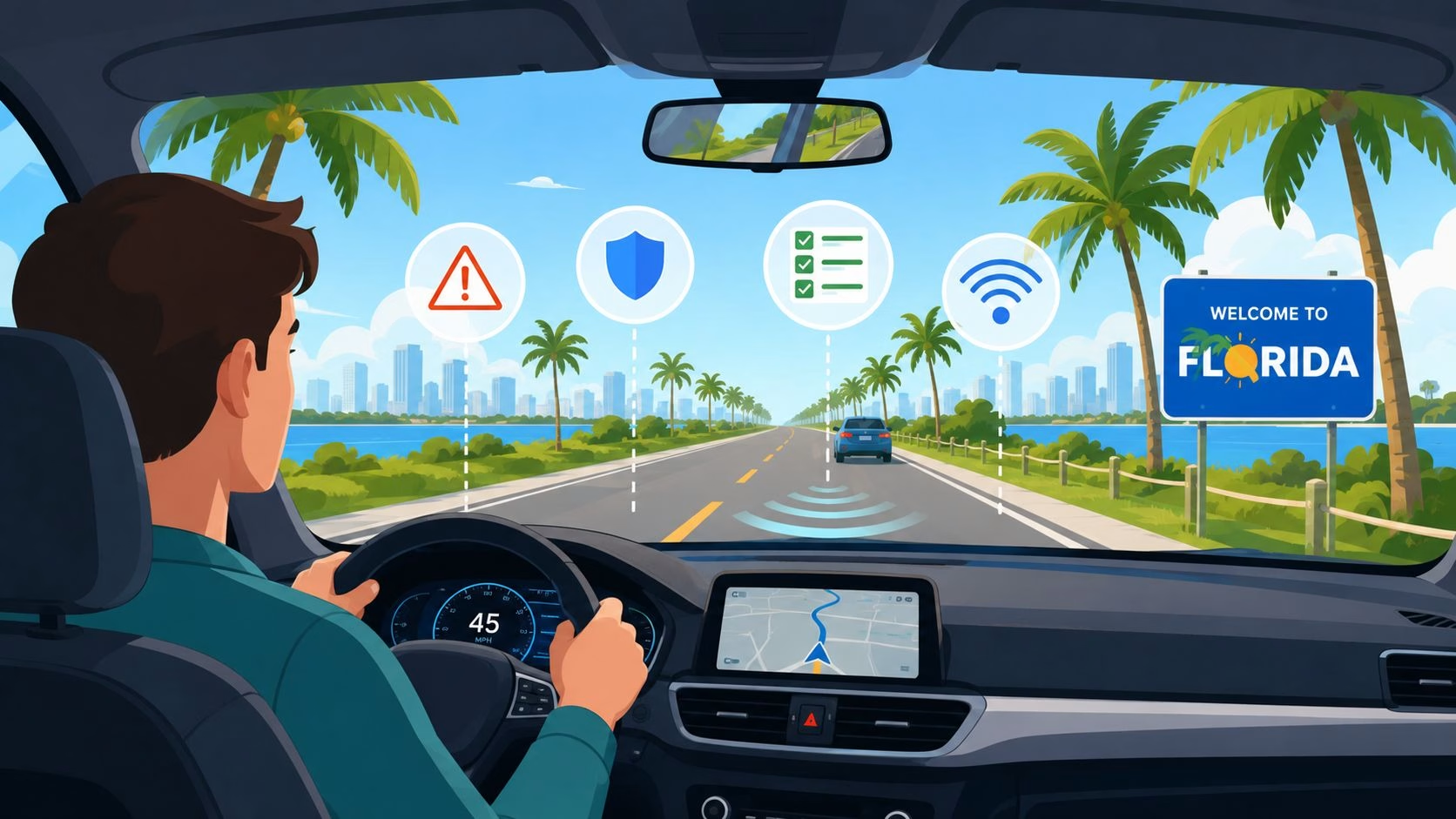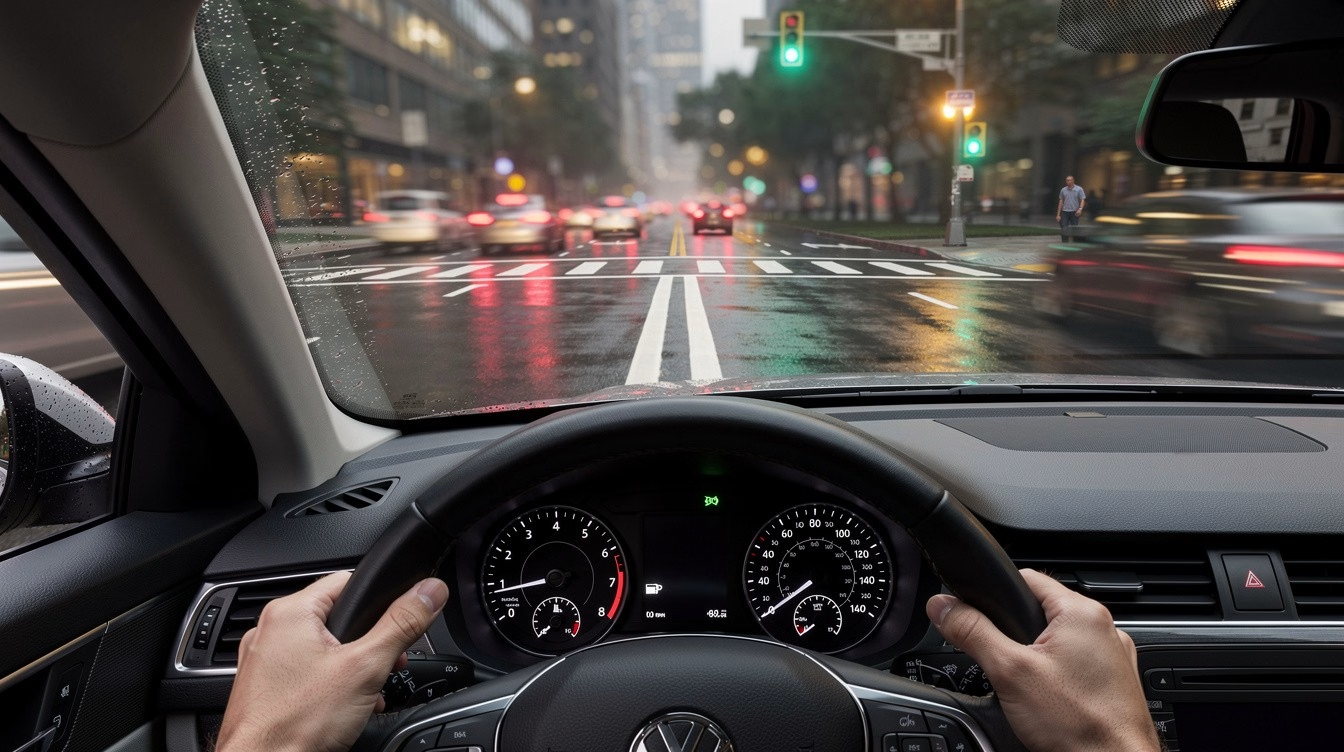
Most drivers think they’re safe behind the wheel. The reality is that defensive driving techniques separate those who avoid accidents from those who experience them.
At floridanewdriver.com, we’ve seen firsthand how small changes in scanning habits, speed control, and hazard awareness prevent collisions. This guide shows you the practical moves that work on real roads.
Scanning and Awareness: The Foundation of Defensive Driving
What Your Eyes Should Actually Be Doing While Driving
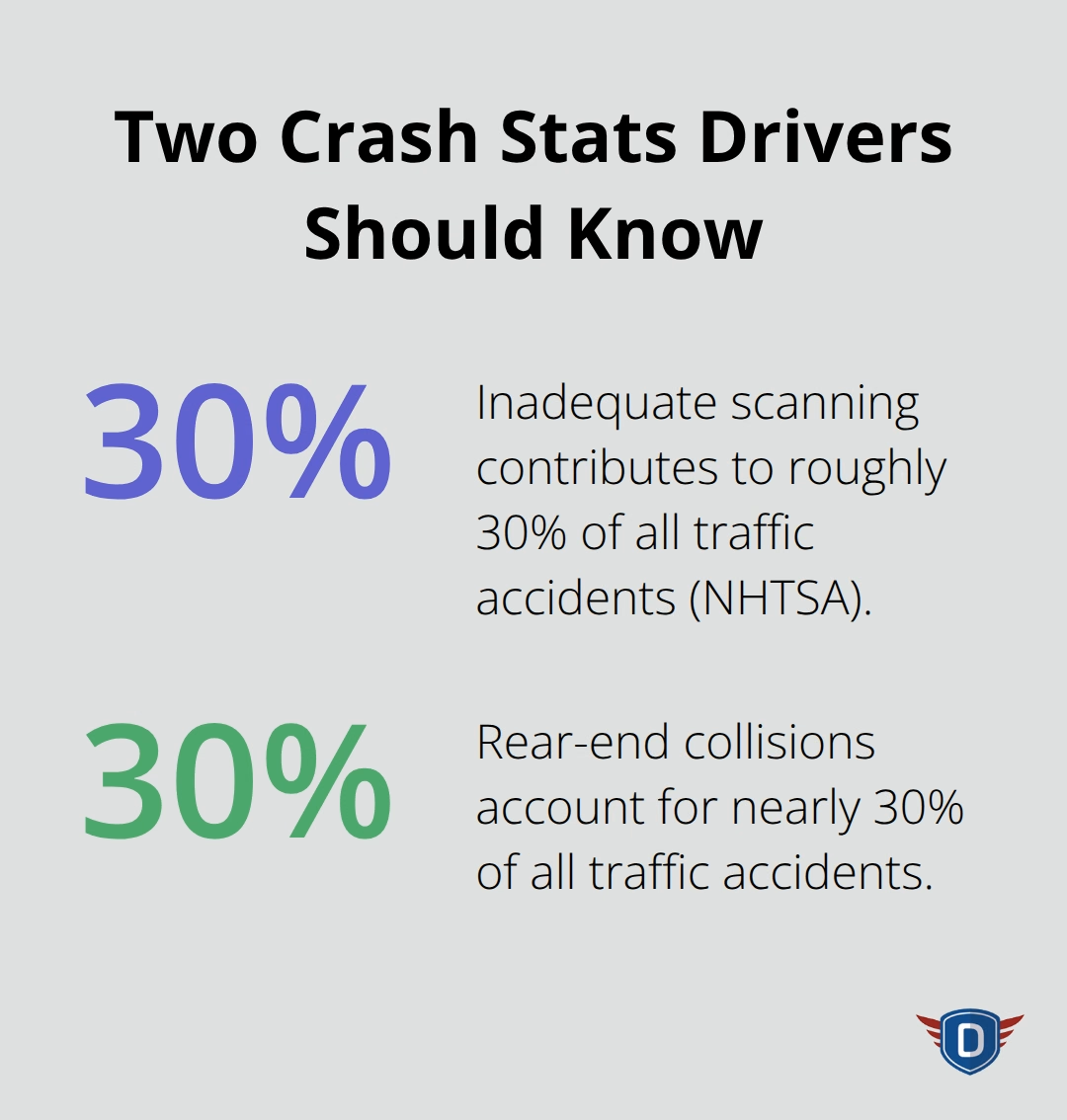
Your eyes are your first line of defense against collisions, yet most drivers scan the road like they’re watching paint dry. Effective scanning means moving your gaze systematically across the road ahead, your mirrors, and your blind spots every 5 to 8 seconds. The National Highway Traffic Safety Administration reports that inadequate scanning contributes to roughly 30% of all traffic accidents. Look 12 to 15 seconds ahead on highways and 8 to 12 seconds in urban areas, which gives you time to react if something changes.
Check your rearview mirror every 5 to 8 seconds and your side mirrors just before changing lanes or turning. Your peripheral vision catches movement, but focused scanning catches hazards early.
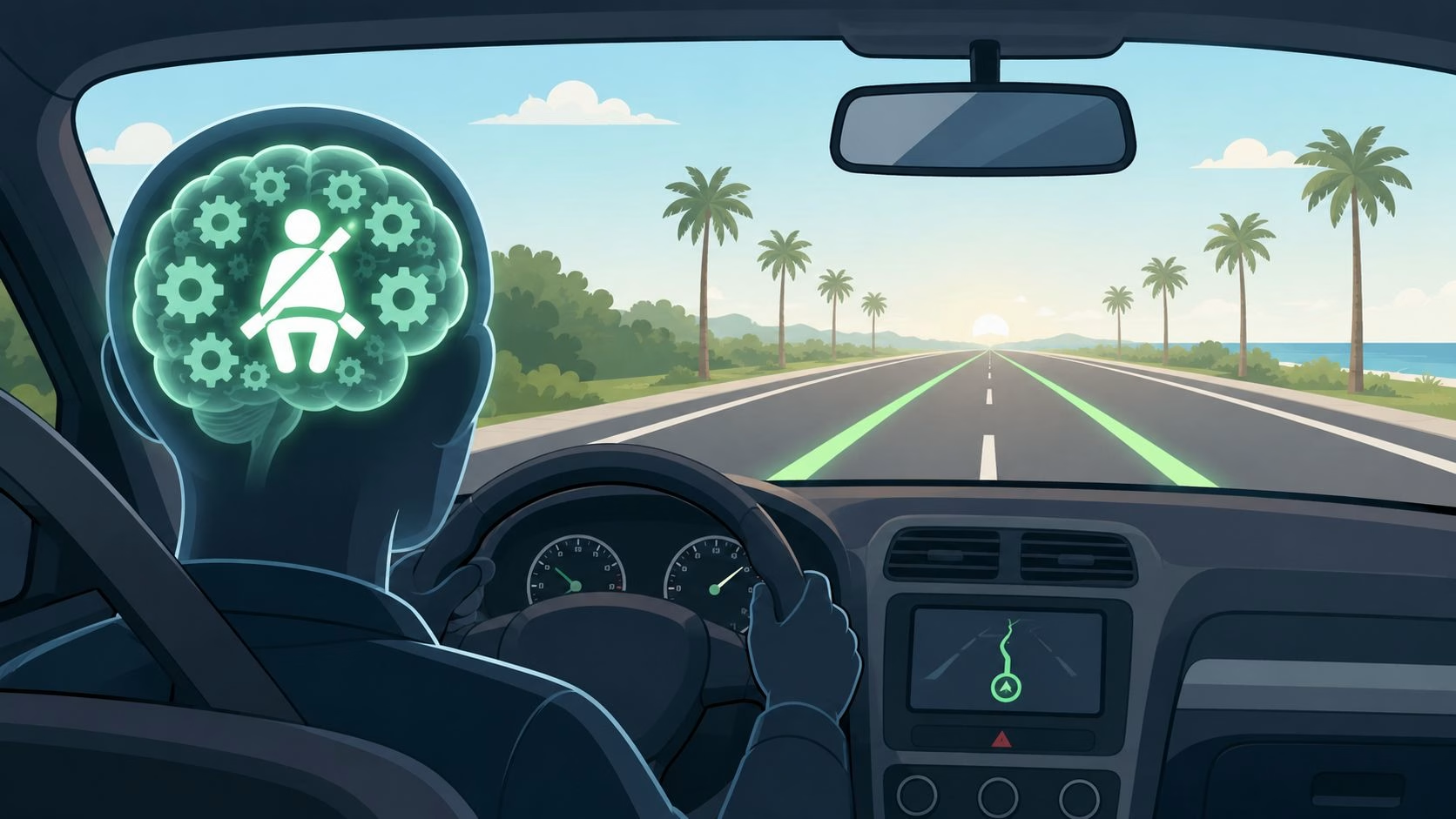
Many drivers fixate on one spot instead of moving their eyes continuously, which blinds them to threats developing in adjacent lanes or at intersections. Train yourself to scan in a pattern: look ahead, check mirrors, scan left and right, then repeat. This habit takes about three weeks to lock in, but once it becomes automatic, you’ll spot danger before it becomes critical.
Anticipating Hazards Before They Happen
Anticipating hazards separates defensive drivers from reactive ones. Distracted driving remains the leading cause of crashes among drivers aged 20 to 29, according to NHTSA data, and much of that distraction stems from poor awareness of what’s happening around you. Watch for patterns, not just individual vehicles. If a car ahead weaves, assume the driver may brake suddenly or turn without signaling. If someone tailgates you, they’re a liability.
Recognize when pedestrians might enter the roadway, especially near schools, parks, or shopping areas. Weather changes your visibility and traction, so adjust your scanning intensity when rain or fog reduces sight lines. These micro-predictions come from continuous, active scanning paired with hazard recognition.
Recognize Distraction Risks on Modern Roads
Modern roads introduce new distractions that destroy your scanning ability. Phone use while driving has become normalized, but it eliminates your awareness of the environment. Sending or reading a text takes your eyes off the road for 5 seconds. At 55 mph, that’s like driving the length of an entire football field with your eyes closed. Awareness training isn’t about paranoia; it’s about reading the environment the way an experienced driver does.
You notice brake lights activating two or three cars ahead, giving you time to slow down before the car directly in front brakes. You spot the cyclist moving toward the road before they enter it. You see the stopped vehicle on the shoulder and prepare to shift lanes. These observations come from the scanning habits you’ve trained into your reflexes, and they’re what separate drivers who avoid accidents from those who experience them. Once your scanning becomes automatic, you’re ready to apply the specific techniques that control your vehicle’s speed and positioning.
Practical Defensive Driving Techniques That Work
The Three-Second Rule Protects You
The three-second rule isn’t a suggestion-it’s the minimum distance that keeps you alive. At 55 mph, your vehicle travels 80 feet per second. If the car ahead brakes suddenly, you need time to perceive the hazard, process it, and react. The rule helps prevent rear-end collisions, which are among the most preventable accidents on the road.
To measure three seconds, pick a fixed object ahead like a road sign. When the car in front passes it, start counting. If you reach the object before counting three seconds, you’re too close and need to back off immediately.
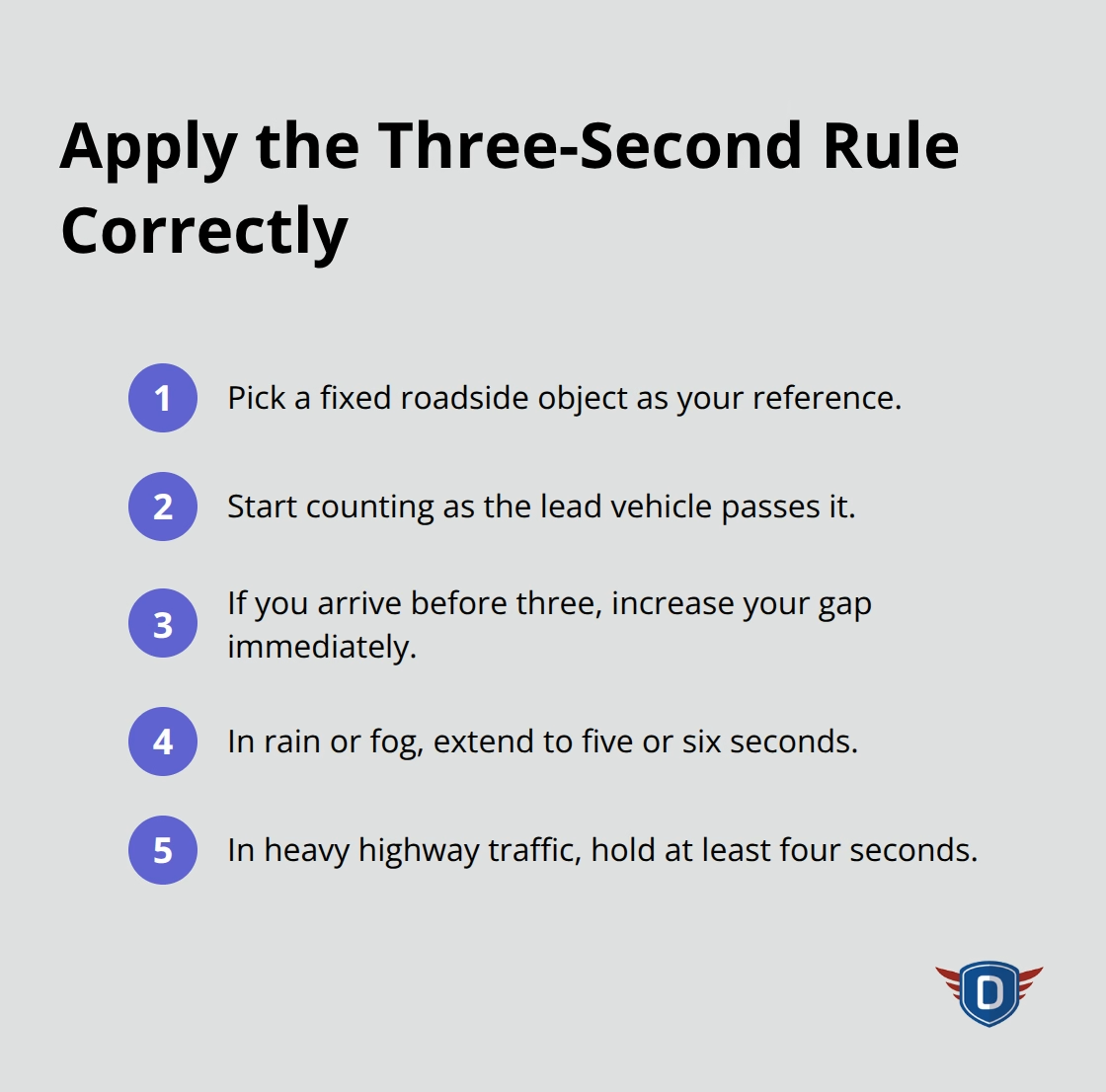
In rain or fog, extend this to five or six seconds because your tires have less grip. On highways with heavy traffic, maintain at least four seconds. This single adjustment eliminates the panic that comes from being trapped behind someone else’s driving mistakes.
Speed Control in Changing Conditions
Speed control in changing conditions separates defensive drivers from those who slide off wet roads or lose control on curves. Most drivers maintain highway speeds regardless of weather, which is reckless. When it rains, reducing speed and increasing following distance are essential because wet roads significantly reduce tire grip.
Slow down at least 10 mph below the posted limit in light rain and 15 to 20 mph in heavy rain or fog. On curves, reduce speed before entering, not during the turn. Braking mid-curve destabilizes your vehicle because weight shifts unpredictably. Instead, brake on the straight section approaching the curve, then accelerate smoothly through it.
Execute Smooth Steering and Braking
When executing steering inputs, move the wheel gradually rather than jerking it side to side. Abrupt steering at highway speeds causes your vehicle to oversteer, especially in rain or on gravel. Smooth braking matters equally-brake with steady pressure rather than pumping or slamming the pedal.
Modern vehicles have anti-lock braking systems that handle the pumping for you, so press firmly and hold. These techniques work because they keep your tires in contact with the road and your vehicle under control when conditions deteriorate or hazards force sudden maneuvers. The next section shows how these specific moves play out when real situations develop on the road.
How Defensive Driving Stops Collisions Before They Happen
Rear-End Collisions and the Three-Second Rule
Rear-end collisions account for nearly 30% of all traffic accidents, and almost every one happens because a driver either wasn’t scanning ahead or followed too closely. The three-second rule becomes your weapon against these preventable crashes. When you spot brake lights activating three cars ahead, you’ve already begun slowing down before the vehicle directly in front of you brakes. This early reaction eliminates panic and gives you control.
Managing Aggressive Drivers
In real traffic, aggressive drivers tailgate, weave between lanes, and brake unpredictably. Your response isn’t to match their aggression or speed up. Instead, create space by slowing down and letting them pass. An aggressive driver behind you is dangerous; an aggressive driver ahead of you is manageable because you control the distance between your vehicle and theirs. If someone honks, flashes lights, or cuts you off, don’t respond. Your job is to drive defensively, not to teach them a lesson.
Weather Conditions and Collision Risk
Weather conditions amplify collision risk dramatically. Wet surfaces significantly reduce tyre grip, increasing the risk of skidding. Fog cuts visibility to 100 feet or less at highway speeds. In these conditions, the three-second rule becomes inadequate. Extend your following distance to five or six seconds, reduce speed by 15 to 20 mph below the posted limit, and avoid lane changes unless absolutely necessary.
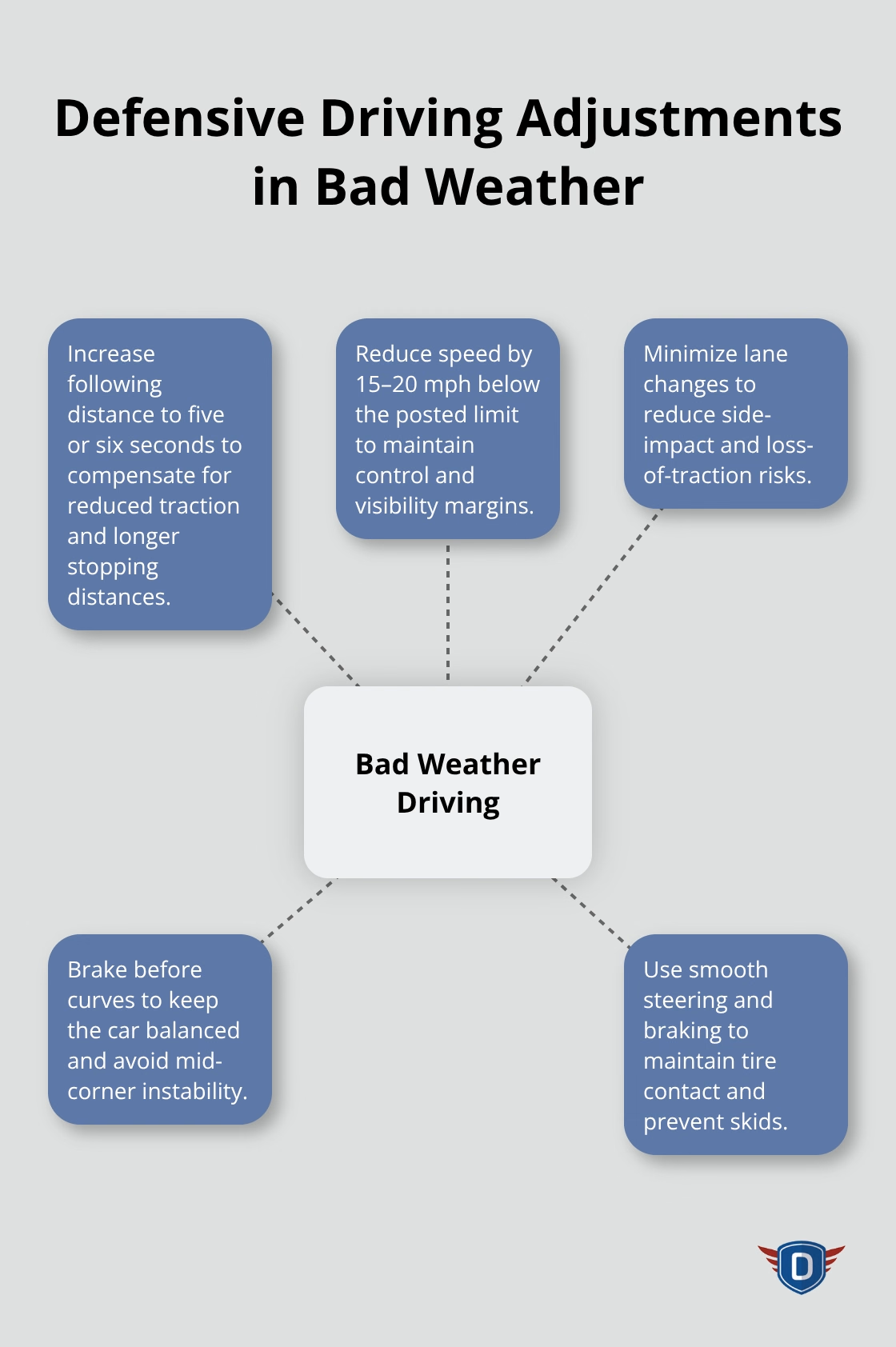
Wet roads also hide hazards like potholes and debris that can blow out tires or cause loss of control. Scan more intensely in poor visibility because your margin for error shrinks significantly. When approaching curves on wet roads, brake before entering the curve, not during it. Smooth steering inputs matter more in these conditions because abrupt wheel movements cause your vehicle to slide or oversteer.
Speed Control Matched to Conditions
Speed control isn’t about driving slowly all the time; it’s about matching your speed to road conditions, traffic density, and visibility. On a clear highway with light traffic, maintaining the speed limit is appropriate. In heavy traffic during rain, that same speed becomes reckless. Adjust downward.
The techniques you’ve practiced in good conditions must become more exaggerated in bad conditions. Your defensive driving habits only work when you execute them consistently, which means every trip, not just when you feel like it. These aren’t optional moves reserved for experienced drivers-they’re the difference between arriving safely and experiencing the trauma and expense of a collision.
Final Thoughts
Defensive driving techniques work because they address how accidents actually happen on real roads. Your eyes scanning every 5 to 8 seconds, your vehicle maintaining three seconds of distance, and your speed adjusted for weather eliminate the situations where collisions occur. These habits compound over thousands of miles and separate drivers who avoid accidents from those who experience them.
Start with one technique this week and add another after three weeks when the first becomes automatic. Focus on your scanning pattern until it feels natural, then layer in the three-second rule, then adjust your speed for conditions. Patience matters more than rushing to master everything at once, and each addition strengthens your ability to read the road before danger develops.
floridanewdriver.com offers comprehensive driver education programs with certified instructors who provide personalized feedback on your technique. Whether you work through a Basic Driver Improvement course or seek deeper training through their Intermediate Driver Improvement program, professional instruction ensures you build these habits correctly from the start.