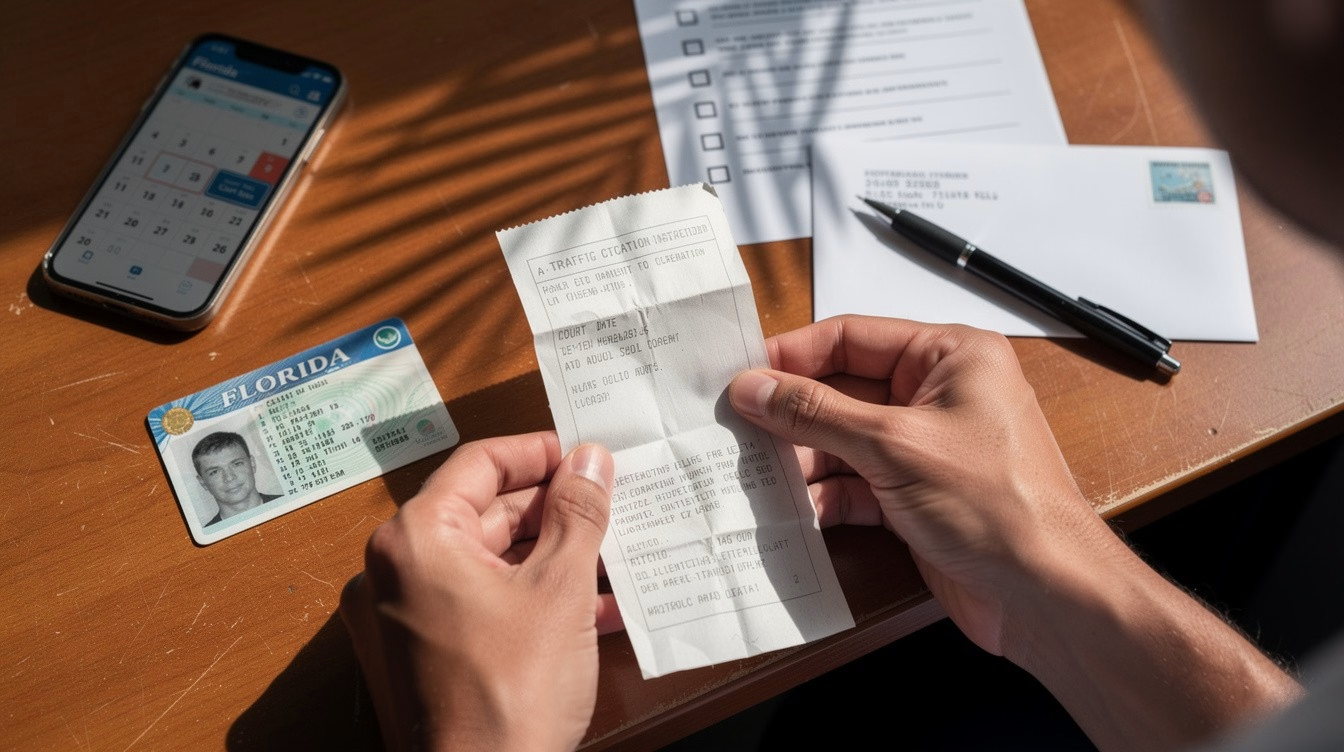
A traffic ticket doesn’t have to derail your driving record. Whether you received a citation for speeding, a red light violation, or another offense, you have legal options to fight back.
We at floridanewdriver.com know that many drivers don’t realize they can dismiss a traffic ticket through proper court procedures and strategic defense. This guide walks you through the exact steps to challenge your ticket, explore dismissal options, and protect your record.
What’s Actually on Your Ticket and Why It Matters
The Critical Information Your Ticket Contains
Your traffic ticket lists specific legal information that determines your options and timeline. The citation includes the violation code, the officer’s observations, the offense date and location, and your required traffic court appearance date. That appearance date is your hard deadline-ignoring it triggers an active arrest warrant, higher fines, and potential jail time.
You have roughly 15 days from the citation date to respond, though some jurisdictions allow longer. Acting fast gives you access to dismissal options that disappear after your court date passes.
When You Can’t Qualify for Dismissal
Certain violations automatically disqualify you from most dismissal programs. Speeding 25 mph or more over the limit, passing a school bus, construction-zone violations with workers present, leaving the scene, or driving without a valid license or insurance blocks your path to dismissal. If your violation falls into one of these categories, you’ll need to explore other defense strategies with an attorney.
Three Main Dismissal Paths in Texas
Texas approves three dismissal options that protect your record. Defensive Driving (a state-approved Driver Safety Course) is the most common method to dismiss a minor violation and costs between $144 and $164 in court fees. You qualify if you hold a valid non-commercial Texas driver’s license, haven’t completed a defensive driving course for dismissal in the past 12 months, and the violation didn’t occur in a construction zone with workers.
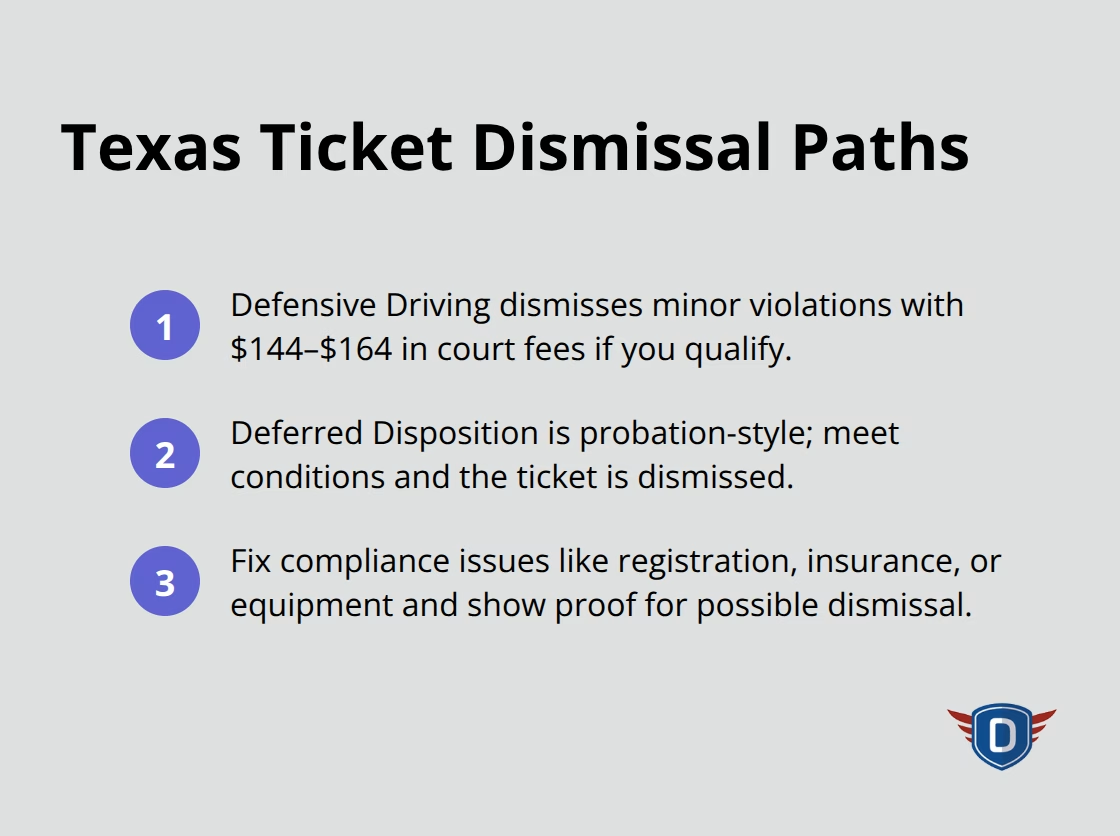
Deferred Disposition works like probation-you agree to conditions such as completing a defensive driving course and not receiving additional violations during the probation period. If you meet those conditions, the ticket gets dismissed and points stay off your record.
Fixing Compliance Issues for Dismissal
Correcting compliance issues applies to violations like expired registration, no proof of insurance, or defective equipment. If you fix the problem and provide proof to the court before your hearing, dismissal is possible. Your driving record affects insurance premiums and surcharges under the Texas Points System, making point reduction a key goal of any dismissal strategy.
Many violations can be resolved without you appearing in court if an attorney negotiates and files on your behalf (but only if you initiate the process early). Understanding which dismissal path fits your situation requires knowing the exact details of your citation and your eligibility status-information that becomes clearer when you explore your court options next.
How to Build Your Defense Before Court
Gather Evidence That Contradicts the Citation
Winning a traffic ticket case requires preparation, not luck. The moment you receive a citation, start collecting evidence that contradicts the officer’s account or exposes procedural errors in how the ticket was issued. Photograph or video-record the location where you received the ticket, noting road conditions, visibility, signage clarity, and traffic patterns. If weather played a role, document it-if the speed limit sign was obscured or missing, capture that too.
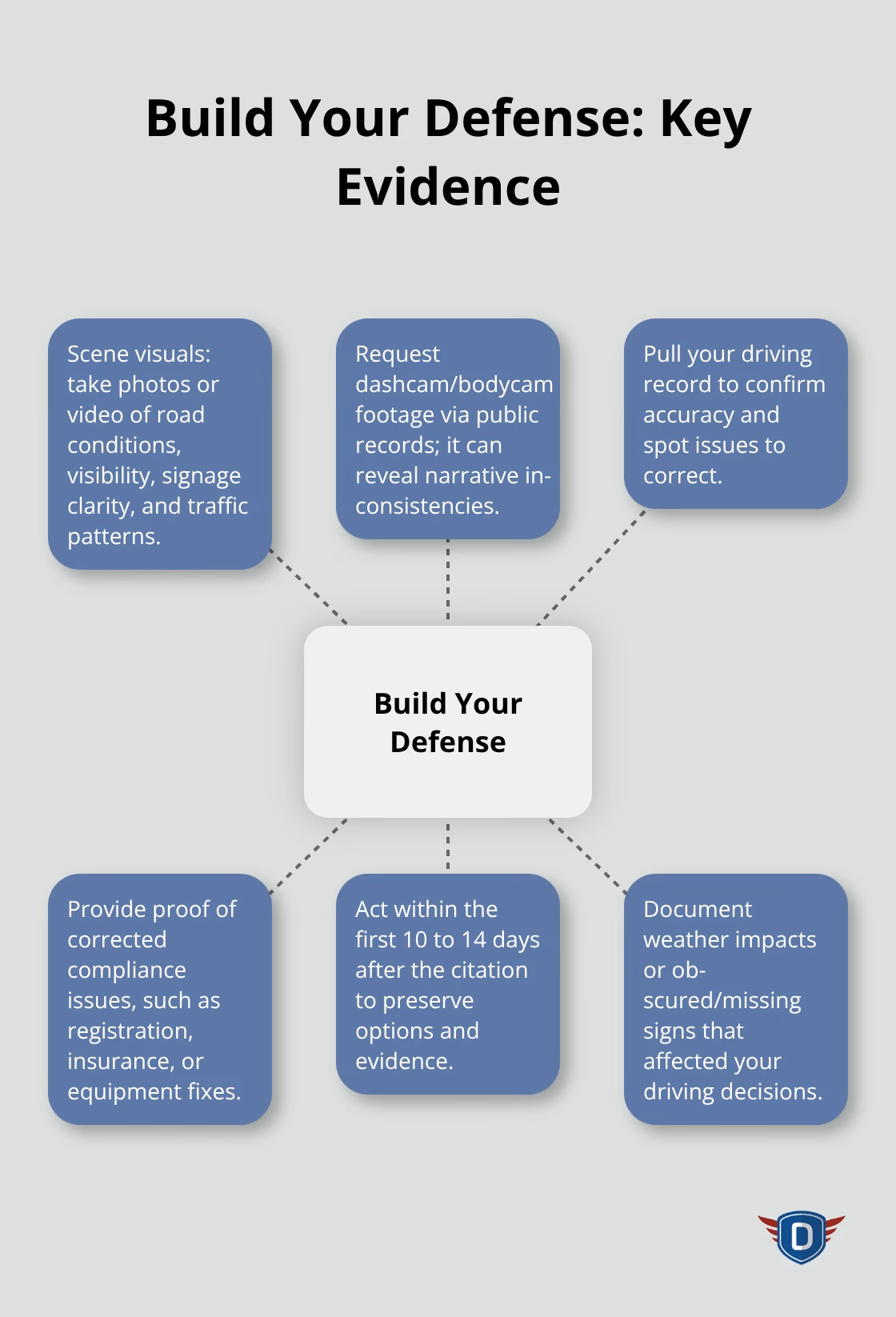
Request a copy of the officer’s dashcam or body camera footage through a public records request to your local police department. Many jurisdictions require disclosure, and footage often reveals inconsistencies in the officer’s narrative. Pull your driving record to confirm accuracy and gather any documents proving you corrected compliance issues if your violation involved registration, insurance, or equipment problems. These materials form the foundation of your defense, but only if you act within the first 10 to 14 days after receiving your citation.
Meet Court Deadlines and File Your Appearance
Filing your court appearance requires meeting strict deadlines that vary by location, but Texas courts typically demand response within 15 days of citation. Contact the court listed on your ticket to request a trial date and confirm whether you qualify for defensive driving dismissal or deferred disposition before your scheduled hearing. Many drivers miss this window because they wait too long or assume they must appear in person.
An attorney can file appearances and negotiate on your behalf without requiring your physical presence, which accelerates resolution and prevents warrant issuance if you miss a court date. If you pursue defensive driving dismissal, submit your request in writing before your appearance date, pay the required court fees (between $144 and $164), enroll in a Texas Department of Licensing and Regulation approved course, and submit your Certificate of Completion to the court.
Challenge Specific Evidence With Documentation
Your defense strategy should focus on specific, provable facts rather than general arguments about fairness. If the officer clocked you at a specific speed, challenge the calibration and accuracy records for the speed-measuring equipment, which police departments must maintain. Also If you received a red light citation, examine the camera timestamp against your vehicle location and the light cycle timing.
If your violation involved a construction zone, verify whether workers were actually present, since many dismissal options exclude only active work zones. Document everything in writing with dates and sources so your case stands on evidence, not memory. This level of detail transforms your defense from a weak claim into a compelling challenge that courts take seriously.
Your Best Options Beyond Defensive Driving
Negotiate Reduced Charges Through Plea Bargaining
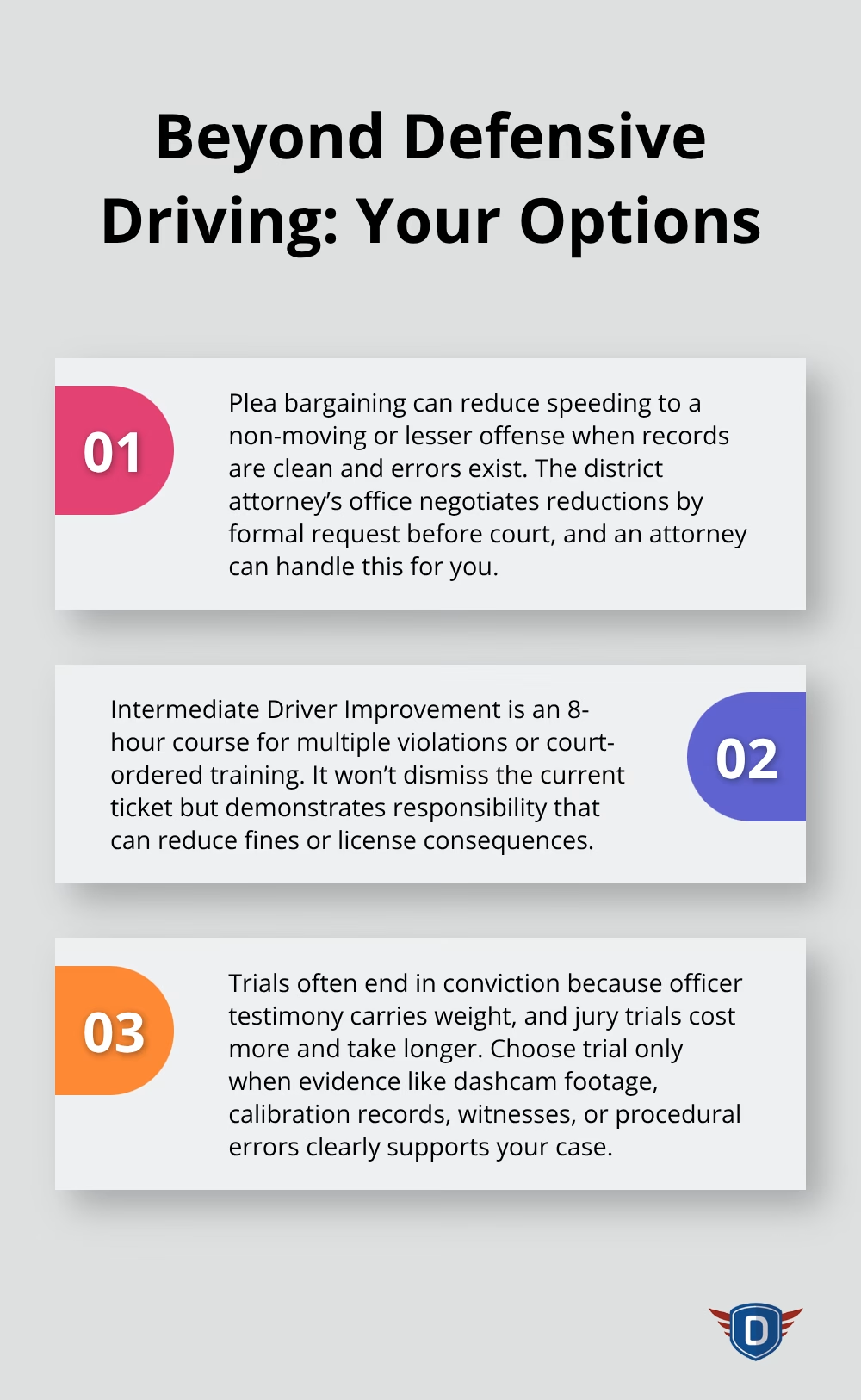
Plea bargaining offers a faster path to resolution than trial, though success depends on your specific violation and jurisdiction. In Texas, prosecutors often reduce speeding charges to non-moving violations or lesser offenses if your driving record is clean and the citation contains procedural errors. The reduction typically happens through negotiation with the district attorney’s office, which requires filing a formal request before your court date. An attorney handles this negotiation without requiring your presence, saving time and reducing the stress of courtroom proceedings.
The Texas Points System was eliminated in 2019, so point reductions no longer apply to your driving record in Texas. Most insurance companies reassess your rate within 30 to 60 days of a charge reduction, so negotiating a reduced charge immediately protects your wallet.
Explore Traffic School Programs for Serious Violations
Traffic school programs beyond basic defensive driving exist for specific situations, particularly if you’ve already used your annual defensive driving dismissal or face more serious violations. The Intermediate Driver Improvement course is an 8-hour program that targets drivers with multiple violations or those ordered by courts to complete additional training. This option won’t dismiss your current ticket but demonstrates responsibility to the court and insurance companies, potentially resulting in a reduced fine or suspended license consequences.
Assess Trial Options With Realistic Expectations
If you’re eligible for a trial by judge or jury, weigh the realistic odds before proceeding. Most traffic ticket cases result in conviction because officer testimony carries significant weight, and judges hear dozens of similar cases daily. Requesting a jury trial costs more in court fees and requires a longer timeline, but juries occasionally side with drivers when procedural errors or credibility issues favor the defendant.
An experienced traffic attorney assesses your specific evidence and advises whether trial makes sense or whether negotiated resolution protects your record more effectively. The decision hinges on concrete factors: dashcam evidence, equipment calibration records, witness statements, and documented procedural violations by law enforcement, not on general assumptions about fairness.
Final Thoughts
Dismissing a traffic ticket requires you to act fast, gather solid evidence, and understand which legal path fits your situation. You have roughly 15 days from your citation date to respond, explore your eligibility for defensive driving or deferred disposition, and file your court appearance before the deadline passes. Most drivers who take action early resolve their tickets without trial, protecting their driving record and avoiding insurance rate increases.
You should seek legal help if your violation falls into ineligible categories like speeding 25 mph over the limit, if you missed your initial response deadline, or if you face an active warrant. An attorney negotiates with prosecutors, files paperwork on your behalf, and handles court appearances without requiring your presence-this approach prevents costly mistakes and accelerates resolution, particularly when procedural errors or equipment calibration issues strengthen your defense. Whether you fight a ticket in Texas or another state, the foundation remains the same: respond promptly, document everything, and pursue the dismissal option that protects your record most effectively.
We at floridanewdriver.com recognize that traffic violations create stress and financial pressure, and our traffic school programs help drivers meet court requirements and reduce insurance impact. Contact the court listed on your citation or consult an attorney within the next few days to confirm your eligibility and file your appearance before time runs out.