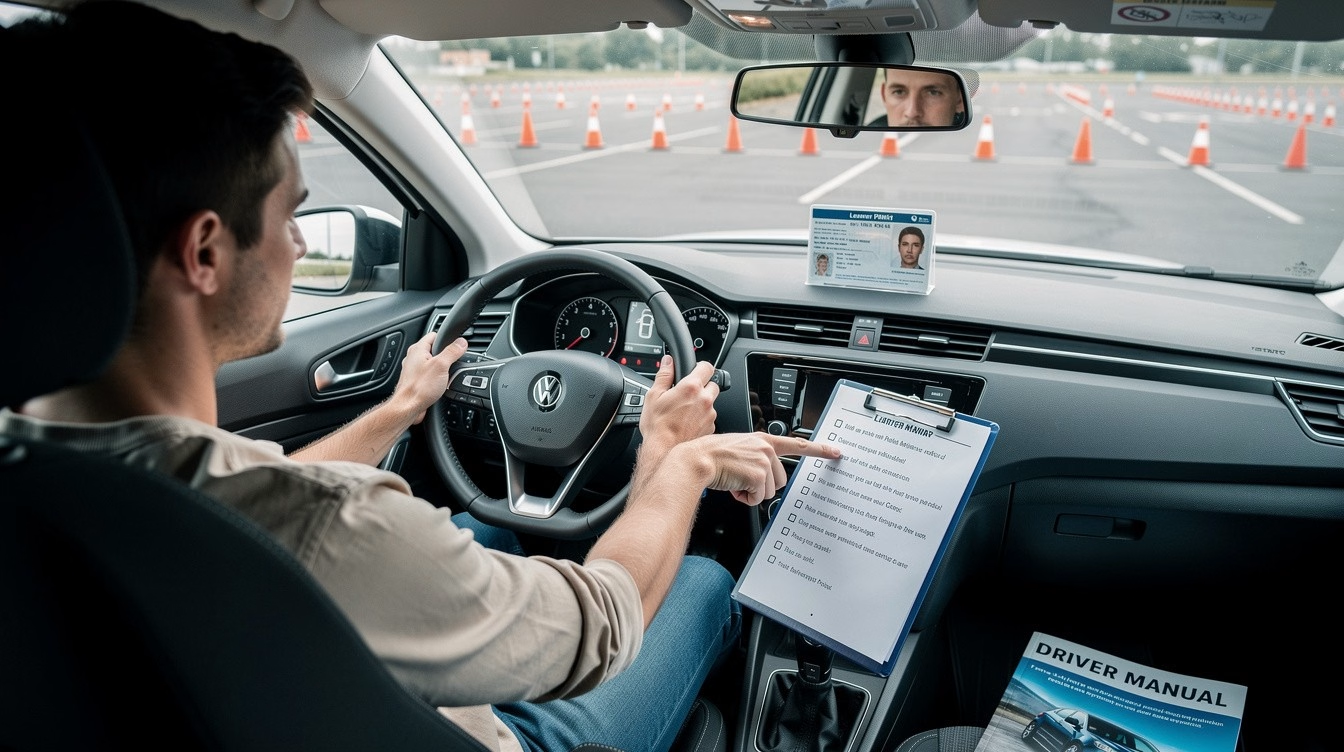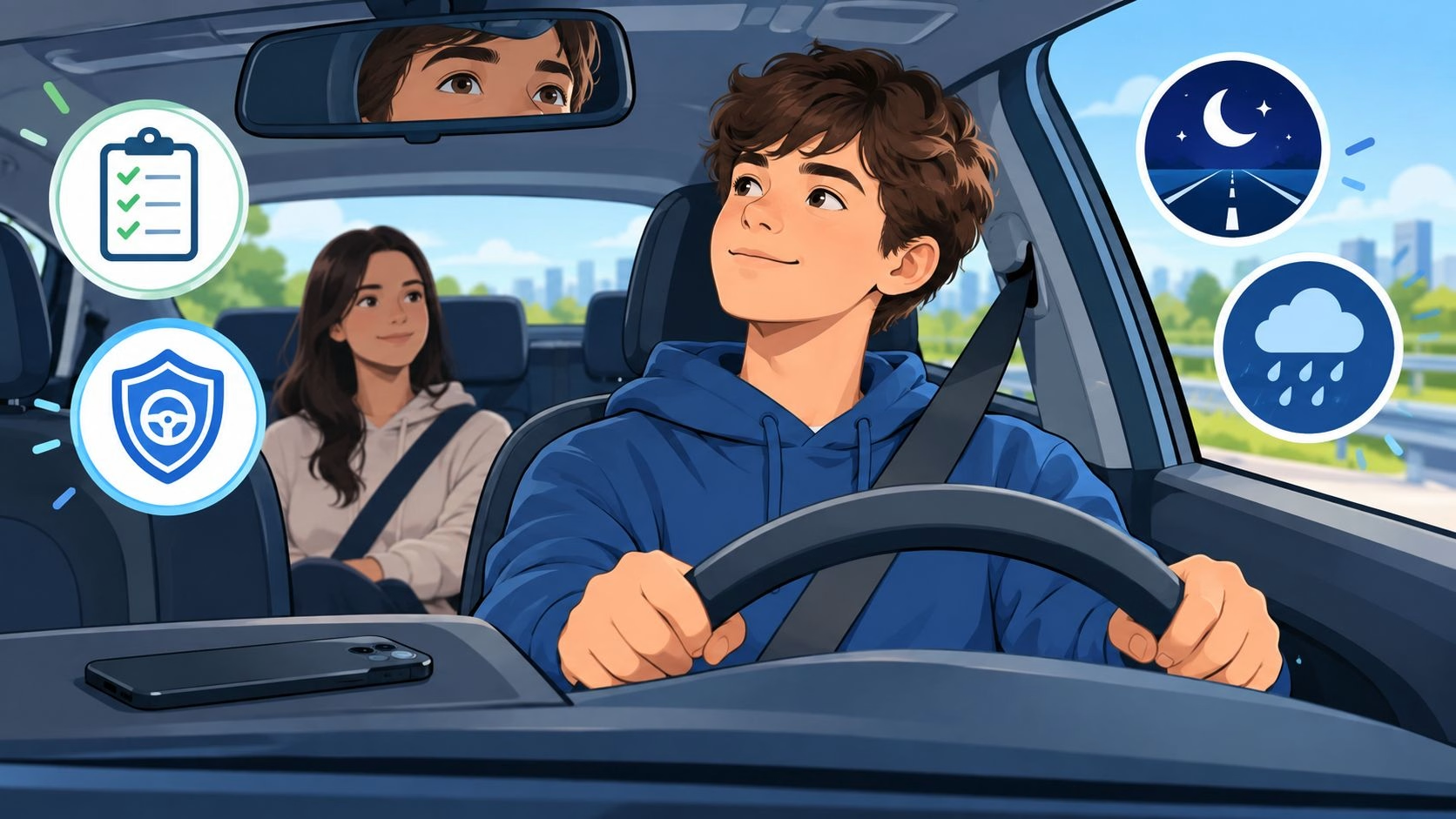
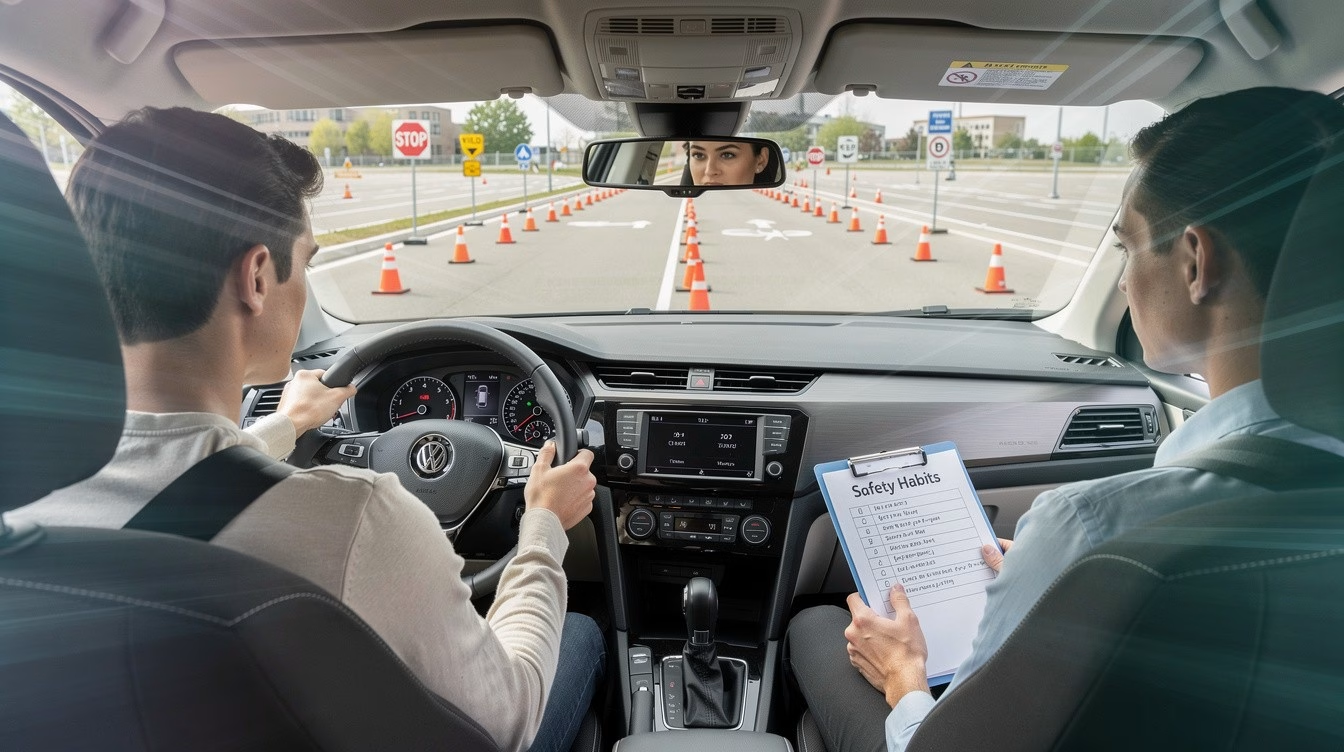
New drivers face a critical window where the habits they form behind the wheel stick with them for life. At floridanewdriver.com, we know that driver education safety isn’t just about passing a test-it’s about building the foundation for decades of safe driving.
The difference between learning from trial and error versus structured professional instruction is measurable. Proper training reduces accidents, lowers insurance premiums, and gives new drivers the confidence to handle real-world conditions.
Foundational Safety Principles Every New Driver Must Learn
Understanding vehicle control and handling
New drivers face a critical window where the habits they form behind the wheel stick with them for life. Vehicle control means knowing exactly how your car behaves during acceleration, braking, and cornering-not in theory but through hands-on practice. A new driver who understands weight transfer during braking stops more smoothly and safely than one who simply jams the pedal.
Your vehicle responds differently on wet pavement, gravel, or ice. Instructors teach students to feel these differences through supervised practice, building the muscle memory that allows quick, appropriate reactions when conditions change unexpectedly.
Mastering Defensive Driving Techniques
Defensive driving isn’t about paranoia-it’s about assuming other drivers will make mistakes and positioning yourself accordingly. This means maintaining proper following distances, scanning multiple zones ahead, and keeping your hands positioned for quick steering adjustments.
Research shows that formal driver education reduces crash rates among teen drivers. A study by UNL researchers found that driver’s education courses significantly reduce crashes and traffic violations among new drivers. The difference lies in structured instruction that teaches drivers to process road conditions systematically rather than react emotionally.
Recognizing and Avoiding Common Road Hazards
Most dangerous situations develop gradually, not suddenly. Poor road conditions, aggressive drivers, and mechanical failures all show warning signs if you know what to look for. New drivers must learn to spot the vehicle drifting between lanes, the pedestrian stepping from behind a parked car, and the slick pavement ahead after rain.
This awareness doesn’t develop from sitting in a passenger seat-it requires supervised practice where an instructor points out hazards before they become emergencies, then gradually lets the student identify them independently. The progression from classroom instruction to supervised driving to independent driving mirrors how your brain actually learns complex skills.
Starting with these foundational principles means new drivers build muscle memory and decision-making patterns that persist for decades, not habits they’ll need to unlearn later. Professional instructors accelerate this learning process by creating real-world scenarios that prepare students for actual road conditions-the next critical element in building lifelong safe driving habits.
How Certified Instructors Shape Confident Drivers
Real-Time Feedback Stops Bad Habits Before They Form
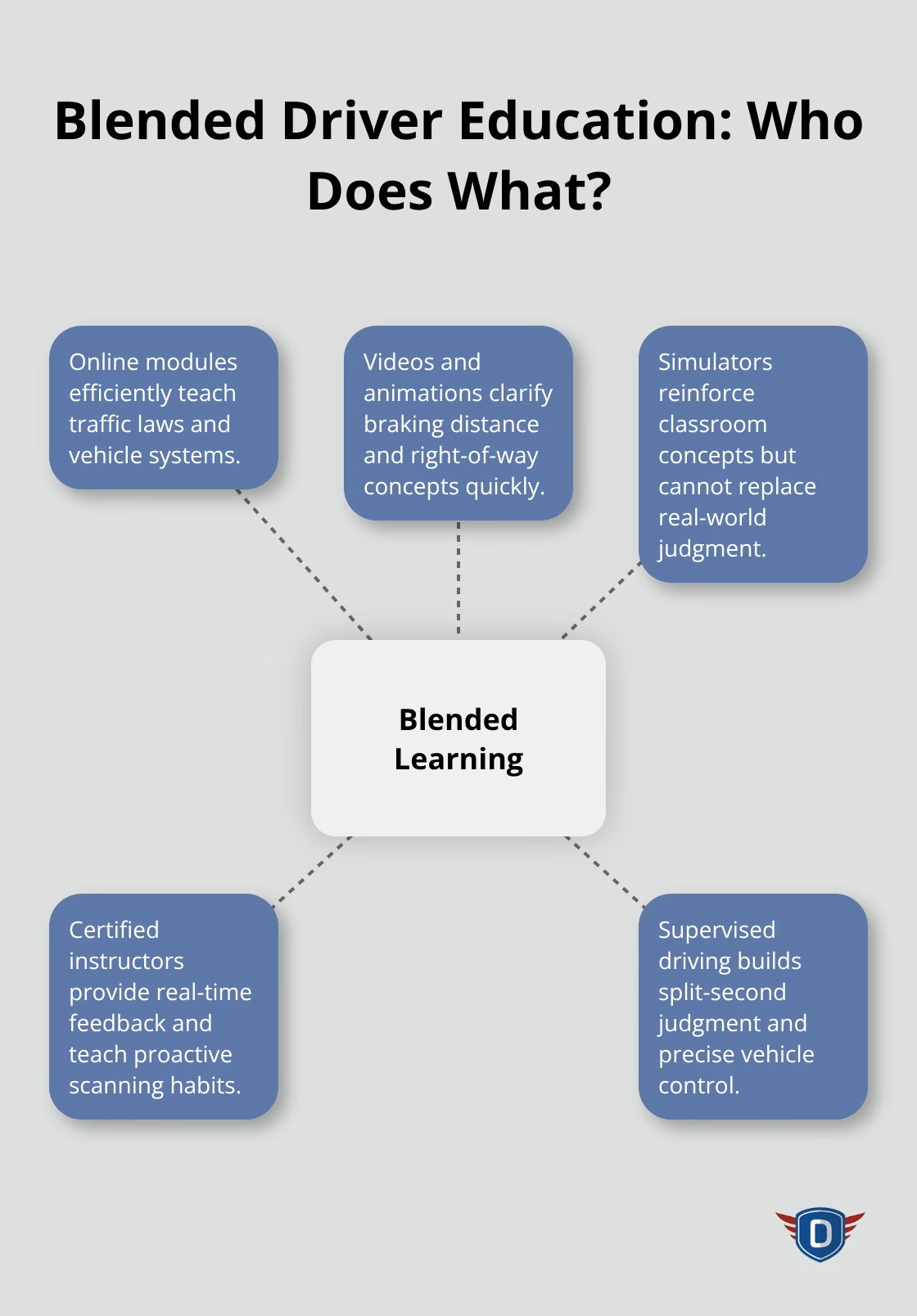
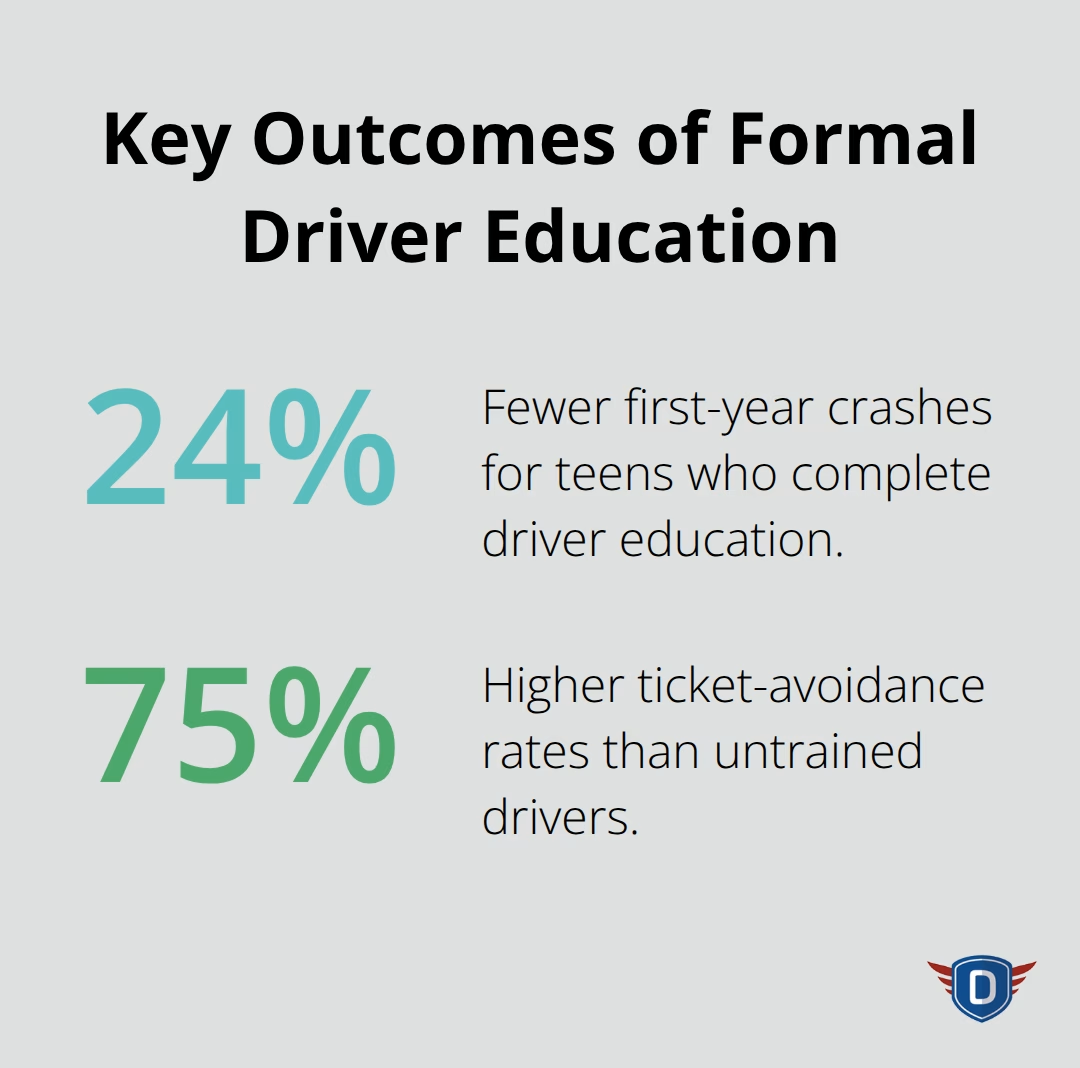
Certified instructors do far more than demonstrate how to operate a vehicle. They stop mistakes before they become dangerous habits by watching hand position, eye movement, and steering inputs, then providing immediate corrective feedback that classroom instruction alone cannot deliver. A licensed instructor intervenes in real time because research on teen drivers found that driver education reduced first-year crashes by 24% compared to teens who skipped formal instruction.
The difference stems from instructors who teach students to process hazards systematically rather than react emotionally. An instructor teaches you to scan the road 12 seconds ahead, identify potential conflicts early, and position your vehicle defensively. Without this structured approach, new drivers rely on luck and reactive responses that fail under pressure.
Progressive Exposure Builds Automatic Responses
Confidence builds through progressive exposure to real conditions under controlled circumstances. An instructor starts with empty parking lots where a student practices basic vehicle control without traffic stress, then moves to quiet residential streets, then busier roads with traffic signals and pedestrians. Each stage adds complexity only after the previous stage becomes automatic.
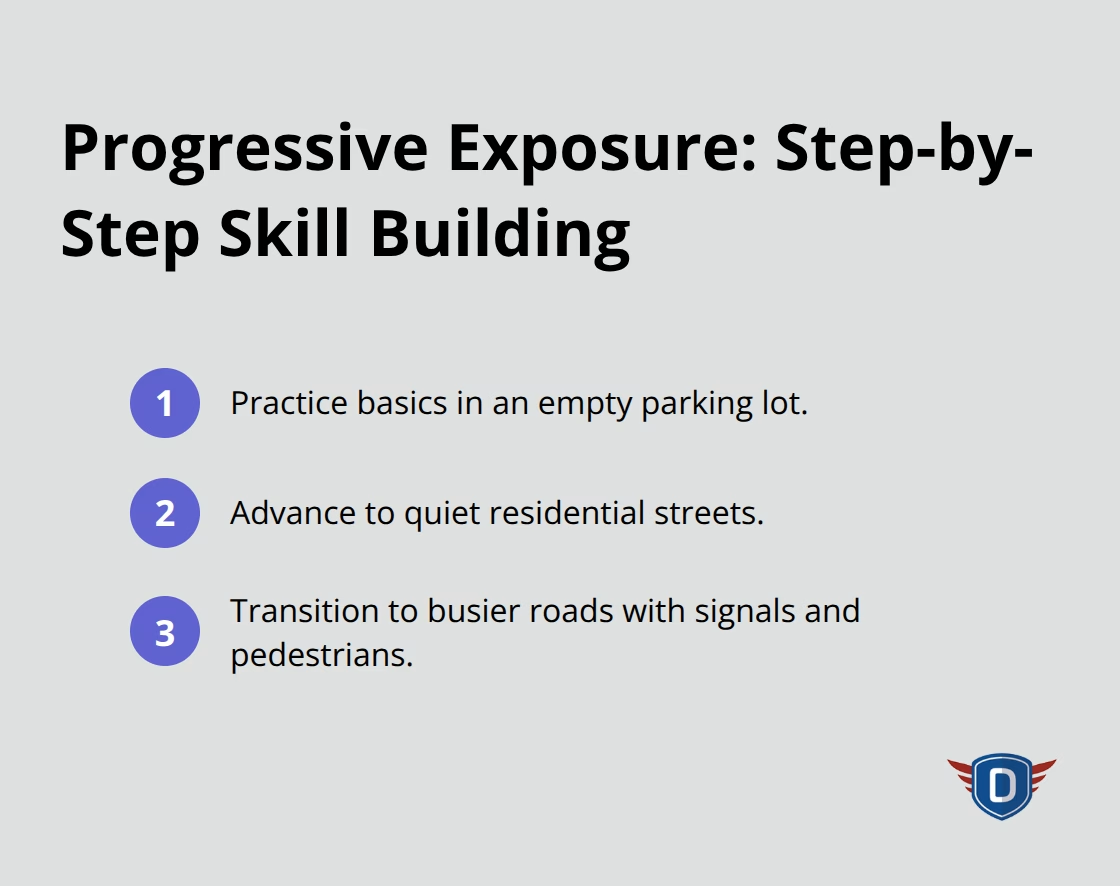
This progression matters because your brain consolidates skills through repetition in gradually increasing difficulty, not through cramming information in a classroom. An instructor teaching on actual roads shows you how rain affects braking distance, how trucks create wind turbulence, and how pedestrians behave unpredictably. You experience these conditions with an experienced driver beside you who can intervene if needed, building the pattern recognition that keeps you safe for decades.
Mental Frameworks Replace Trial-and-Error Learning
The instructor’s role is not to make you a perfect driver immediately but to establish the mental frameworks and muscle memory that allow you to adapt safely when conditions change unexpectedly after you’re driving alone. This structured approach (rather than learning through accidents and near-misses) means new drivers develop decision-making patterns that persist for decades, not habits they’ll need to unlearn later.
Real-world scenarios that instructors create during supervised driving prepare students for actual road conditions in ways that simulators and textbooks cannot replicate. The next critical element in building lifelong safe driving habits involves the specific tools and technologies that support this professional instruction.
How Technology Strengthens Driver Education Without Replacing Instructors
Simulators and online platforms serve a specific purpose in driver education: they reinforce classroom concepts and allow students to review material on their schedule, but they cannot replace the real-world judgment that certified instructors develop through years of experience. Online components work best when they handle foundational knowledge-traffic laws, vehicle systems, defensive techniques-freeing instructor time for the irreplaceable work of real-world coaching. Students work through modules on their own timeline, then move to supervised behind-the-wheel instruction where an instructor addresses the gaps that online learning cannot fill: the split-second decisions, the vehicle control adjustments, and the hazard recognition that only happen on actual roads.
Interactive Visuals Accelerate Understanding of Core Concepts
A video showing how braking distance changes on wet pavement teaches the principle faster than reading about it, and animations demonstrating right-of-way rules at complex intersections clarify rules that text alone leaves ambiguous. Scenario-based content helps students process information more quickly than traditional lectures. However, research indicates that driver education effectiveness depends on supervised driving practice components rather than video content alone.
Online Courses Handle Foundational Knowledge Efficiently
Self-paced courses cover Florida traffic laws, defensive driving techniques, and the behavioral factors that lead to crashes. The Basic Driver Improvement course runs four hours online, while the Intermediate Driver Improvement program spans eight hours, both structured to match FLHSMV requirements. Florida’s FLHSMV updates traffic safety content regularly, and curricula that reflect those changes immediately ensure students learn current statutes rather than outdated rules.
Real-World Instruction Fills the Gaps Technology Cannot
A student who completes online coursework arrives at behind-the-wheel training already familiar with the concepts, allowing instructors to focus on application and habit formation instead of explaining basics. This structure compresses learning time while improving outcomes because technology handles what it does well (foundational knowledge) and instructors handle what technology cannot (split-second judgment and vehicle control). The combination of online preparation and supervised driving practice creates the conditions where new drivers develop decision-making patterns that persist for decades.
Final Thoughts
Teens who complete formal driver education are 24% less likely to crash in their first year compared to those who skip instruction, and they avoid traffic tickets at rates 75% higher than untrained drivers. Insurance companies recognize this reality through concrete discounts that compound over years of safe driving. A driver who starts with proper instruction and maintains clean records saves thousands in premiums over a decade because the habits formed during those first months behind the wheel determine long-term safety outcomes.
Professional driver education safety instruction builds decision-making patterns that persist for decades because they develop through supervised practice and real-world scenarios, not cramming before a test. A driver trained to scan 12 seconds ahead, maintain proper following distance, and recognize hazards early avoids the accidents that spike insurance costs and create dangerous patterns. These habits, once established through certified instruction, protect drivers throughout their entire driving lifetime.
We at floridanewdriver.com understand that investing in structured instruction pays dividends throughout a driver’s lifetime. Our Florida-approved programs combine online foundational knowledge with certified instructor guidance, ensuring students develop the decision-making patterns that keep them safe and their insurance costs low. Starting with professional instruction isn’t an expense-it’s the most cost-effective safety investment a new driver can make.