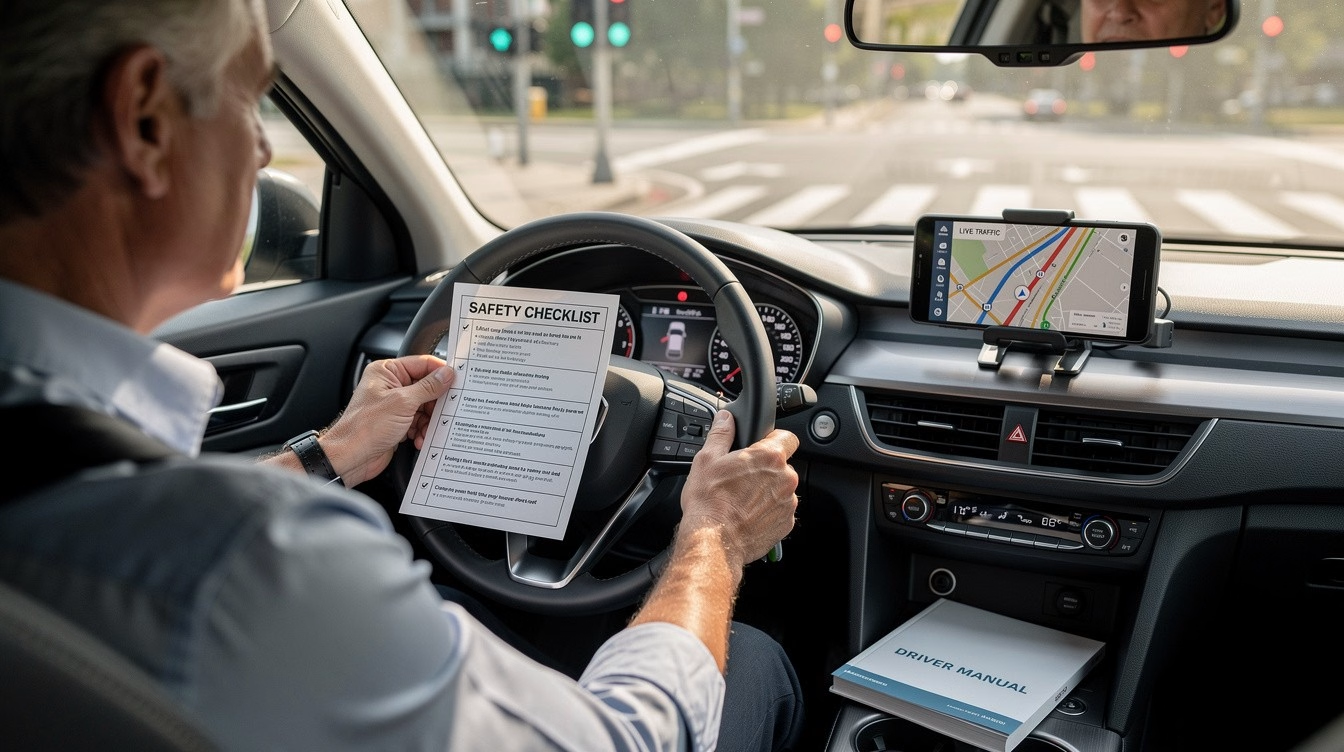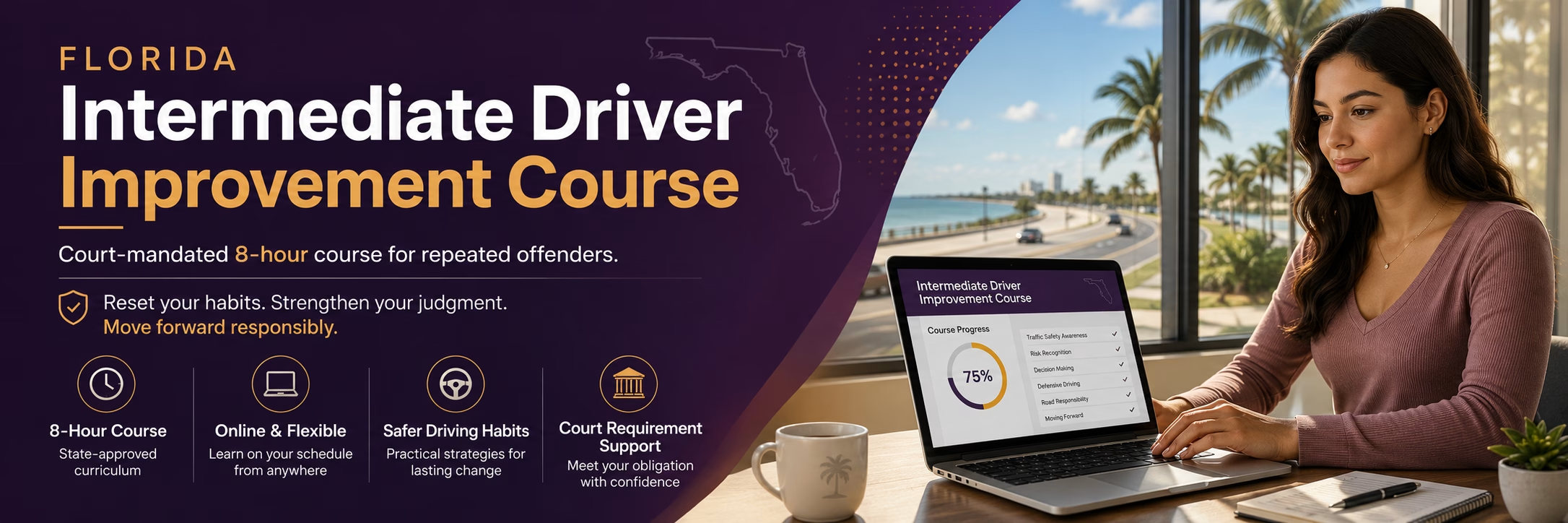

A traffic ticket, court notice, or DMV requirement can create immediate pressure. Driver improvement classes give you a clear path to complete the education you may need while reviewing the decisions that reduce risk on the road. For many drivers, the right course can support ticket-related requirements, license reinstatement steps, insurance discounts, or a safer return to everyday driving.
The key is choosing a course that matches your reason for taking it. Requirements vary by state, court, insurer, age, driving history, and the type of violation involved. A course that works for voluntary insurance savings may not satisfy a court order, so confirming the required course type before enrolling matters.
What Are Driver Improvement Classes?
Driver improvement classes are traffic safety courses designed to refresh driving knowledge and address behaviors linked to crashes, citations, and unsafe driving. Depending on the program, topics may include traffic laws, defensive driving, distracted driving, speed management, alcohol and drug impairment, sharing the road, and hazard recognition.
These courses are often called defensive driving courses, traffic school, basic driver improvement, intermediate driver improvement, or advanced driver improvement. The name and curriculum can differ, but the purpose is similar: help drivers meet an official requirement or strengthen safer driving habits.
Some programs are taken voluntarily. Others are assigned by a court, a state licensing agency, an employer, or an insurance company. Your completion certificate may need to be submitted to a specific agency, or the course provider may report completion when state rules allow.
When You May Need a Driver Improvement Course
A driver improvement course is not only for someone who received a speeding ticket. It can be part of several different situations, each with its own rules and deadlines.
You may be directed to complete a course after a moving violation, at-fault crash, license suspension, accumulation of points, reckless or aggressive driving charge, or a court disposition. First-time drivers may also need state-required education before applying for a license. Mature drivers may take an approved course to qualify for an insurance discount, subject to their insurer’s eligibility rules.
In some states, drivers can choose a basic course to avoid points or keep an eligible citation from appearing on their record. That option is often limited by deadlines, prior course completions, citation type, and driving history. Do not assume you qualify simply because a course is available online.
If you have paperwork from a court or DMV, read it closely. Look for the required course name, completion deadline, approval language, reporting instructions, and case or citation number. A few minutes of verification can prevent you from completing the wrong program.
How Online Driver Improvement Classes Work
Online courses are built for drivers who need flexibility without sacrificing course requirements. Instead of attending a scheduled classroom session, you can generally log in from a computer, tablet, or smartphone and work through lessons when your schedule allows.
Most online driver improvement classes use short learning sections, knowledge checks, and a final assessment where required. Course length is determined by the state or program type, not simply by the provider. Some courses can be completed in a few hours, while others require more extensive instruction.
A self-paced format is useful for people balancing work, family obligations, school, or transportation challenges. You can pause after a lesson and return later, provided you finish by the deadline set by the court, DMV, insurer, or state program.
Convenience does not remove compliance responsibilities. You may need to verify your identity, meet minimum passing requirements, or wait through state-mandated lesson times. Reputable providers explain these rules before you begin rather than presenting unexpected steps at the end.
What You Receive After Completion
After passing the course, you typically receive a certificate of completion. How that certificate is delivered depends on the program and jurisdiction. It may be available for download, mailed to you, electronically reported, or require you to submit it yourself.
Keep a copy for your records even if reporting is included. If a court clerk, DMV representative, or insurer cannot immediately locate the record, your certificate can help document that you met the requirement on time.
Choosing the Right Course Before You Enroll
The fastest course is not always the best choice. The right course is the one approved or accepted for your specific purpose. Before enrolling, confirm the state where the requirement applies, the exact course name, and whether your court, DMV, or insurer has special instructions.
Consider these practical questions:
- Is the course approved for the state and reason you need it?
- Does it meet your deadline, including certificate delivery or reporting time?
- Can you access it on the device you plan to use?
- Are the total price, certificate options, and any additional services clearly explained?
- Is customer support available if you have a reporting or enrollment question?
Transparent pricing is especially valuable when you are completing a requirement under a deadline. Know what is included before paying. If you need a certificate sent by mail, expedited processing, or help with an unusual reporting situation, understand those options in advance.
floridanewdriver.com offers online courses for a range of licensing, traffic safety, court, and insurance-related needs. As with any course provider, confirm that the specific course is approved and appropriate for your state and purpose before enrollment.
What You Will Learn Beyond the Requirement
A course certificate may be the immediate goal, but the content can have practical value long after the requirement is complete. Many traffic incidents are not caused by one dramatic mistake. They result from routine choices: following too closely, checking a phone at the wrong moment, driving too fast for weather conditions, or assuming another driver will yield.
Driver improvement instruction helps turn those risks into recognizable patterns. You may review how perception and reaction time affect stopping distance, why impairment can begin before a driver feels seriously affected, and how roadway conditions change the margin for error.
You may also learn strategies for managing common pressure points. Leave extra following distance when traffic is unpredictable. Set navigation and music before moving the vehicle. Plan for a safe ride home before alcohol or drugs become part of the evening. These are simple decisions, but they directly support safer driving.
The course cannot control every road condition or another driver’s behavior. It can help you create more time and space to respond when conditions change. That is the core of defensive driving.
Avoid These Common Completion Problems
Missing the deadline is one of the most avoidable problems. Start early enough to account for the required seat time, final exam, technical issues, and certificate reporting. Waiting until the final day can leave little room to correct an error.
Another common issue is enrolling in a course based only on price or a general description. A basic driver improvement course, an aggressive driver course, and a substance abuse education course serve different purposes. Select the course specified in your notice or confirmed by the agency requiring it.
Finally, do not discard your confirmation emails or certificate. Save digital copies and record the completion date. If you are responsible for filing the certificate, submit it according to the instructions and verify receipt when possible.
Frequently Asked Questions About Driver Improvement Classes
Are driver improvement classes the same as traffic school?
Often, yes. Traffic school is a common term for courses that teach traffic laws and defensive driving, but required program names vary by state and court.
Can I take driver improvement classes online?
Many states and programs allow approved online courses. Check that the online course is accepted for your court, DMV, insurance, or licensing requirement before enrolling.
Will a driver improvement course remove points from my record?
It depends on state rules and your eligibility. Some jurisdictions allow an approved course to prevent points or reduce their impact, while others do not.
How long do driver improvement classes take?
Course length depends on the state and the type of program. Your enrollment page or official notice should state the required instructional time.
Do I need to send my certificate to the court or DMV?
Sometimes. Some providers report completion electronically, while other programs require you to submit the certificate yourself. Follow the instructions on your court or agency notice.
Can a mature driver course lower insurance rates?
It may. Many insurers offer discounts for eligible drivers who complete an approved mature driver course, but savings and eligibility vary by insurer and policy.
A driver improvement course is easier to manage when you treat it as both a deadline and an opportunity. Verify the requirement, choose the correct approved program, keep your completion records, and carry the safer habits into every trip that follows.