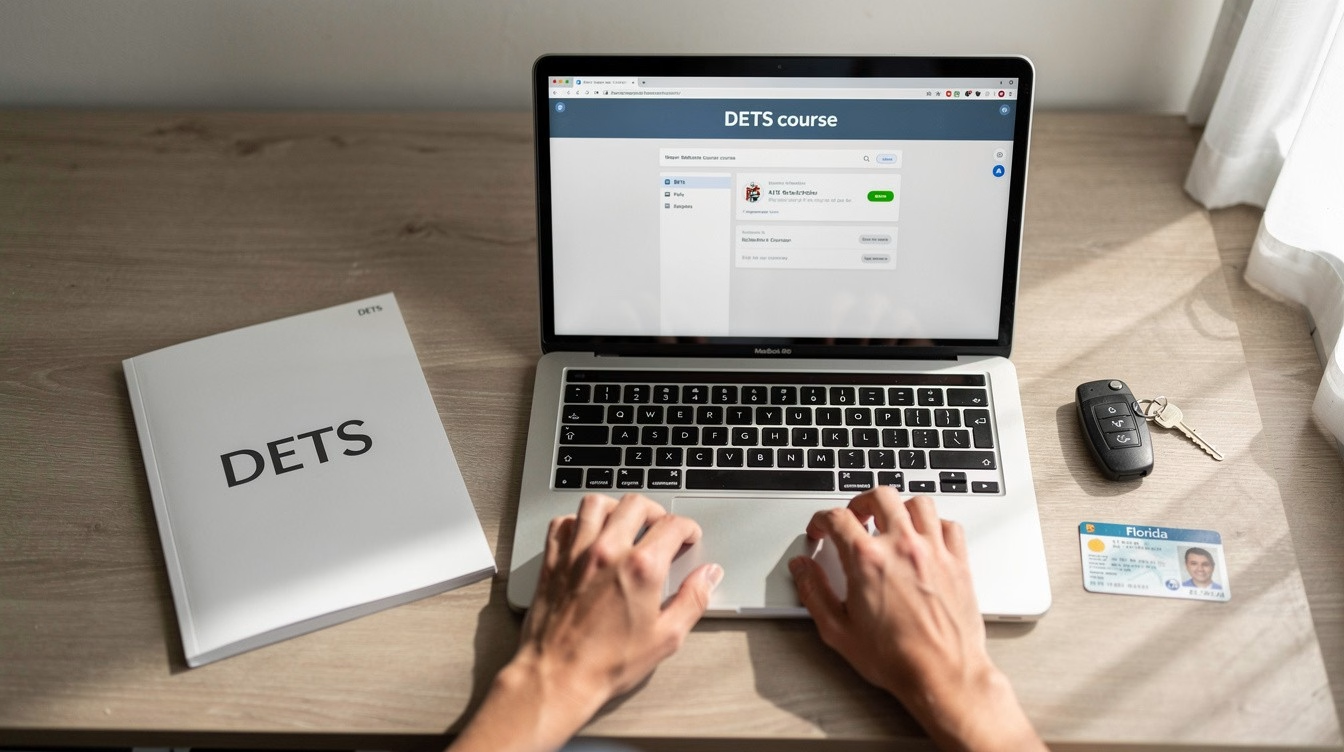

Getting a learner’s permit or first license feels exciting right up until the paperwork and course requirements show up. This guide to DETS for teens breaks down what DETS is, why some states require it, how online courses work, and what to expect before you move on to the next licensing step.
What DETS means for teen drivers
DETS stands for Driver Education Traffic Safety. It is a pre-licensing course designed to teach new drivers the rules of the road, safe driving habits, traffic laws, and risk awareness before they begin driving on their own.
For teens, DETS is not just about checking a box. It gives first-time drivers a structured introduction to real-world safety topics like speed management, distracted driving, sharing the road, impaired driving, and defensive decision-making. That matters because teens have less driving experience and less time to react to unexpected situations.
Some families assume behind-the-wheel practice alone is enough. Practice is essential, but practice without a strong foundation can turn bad habits into permanent habits. DETS is meant to build that foundation first.
Who needs this guide to DETS for teens
If you are a teen applying for a permit or first driver license, or a parent helping your child through the process, DETS may be part of the path. Requirements vary by state, and sometimes by age, so the exact rules depend on where you live and what kind of license you are seeking.
In some cases, DETS is mandatory before a permit or license can be issued. In others, it may be part of a larger driver education process that includes classroom instruction, online coursework, and supervised driving hours. The key point is simple: always check your state’s current licensing rules before enrolling.
That state-by-state difference is where people get confused. A course that meets one requirement in one state may not satisfy the same step elsewhere. Approval status matters.
What teens usually learn in a DETS course
Most DETS courses cover the same core safety subjects, even if the exact format differs. You can expect instruction on traffic signs and signals, right-of-way rules, lane use, safe following distance, visibility, adverse weather, and what to do in emergencies.
A good course also spends time on judgment. That includes how to recognize risky behavior, how to respond to aggressive drivers, and why texting, speeding, fatigue, and alcohol or drug use can quickly turn a normal trip into a crash. For teen drivers, this part is especially important because many serious collisions involve preventable choices rather than lack of vehicle control alone.
There is also a practical side to the coursework. Teens often learn how licensing stages work, what documents may be needed, and what legal responsibilities come with driving. That makes the course useful for compliance as well as safety.
Why online DETS works well for many families
Online DETS is popular for a reason. It lets teens complete required coursework on a flexible schedule without needing to sit in a physical classroom at a fixed time. For busy families balancing school, sports, and work schedules, that convenience can make the process much easier.
The online format also allows students to move at a steady pace. Some teens like to complete lessons in shorter sessions, while others prefer longer blocks of study. A self-paced course supports both styles, as long as state rules allow it.
That said, convenience should not be the only factor. The course also needs to be state-approved when approval is required. A low price or fast signup process does not help if the certificate is not accepted.
What to look for before enrolling
The first thing to verify is course approval. If your state requires an approved DETS provider, that should be non-negotiable. Next, look at whether the course works on phones, tablets, and computers, especially if your teen will be switching devices.
Clear pricing matters too. Families should be able to see the full cost upfront without hidden fees appearing later in the process. Customer support is another practical detail that gets overlooked until something goes wrong. If there is a problem with login access, completion records, or certificate delivery, responsive support makes a real difference.
A course should also be easy to understand. Teens do better when lessons use plain language and a logical structure instead of legal jargon or long blocks of text. Reliable providers such as floridanewdriver.com are built around that kind of accessible experience.
How DETS fits into the licensing process
DETS is usually one step, not the whole process. Depending on the state, a teen may still need to pass a vision test, a written knowledge exam, permit requirements, supervised practice hours, and a road test before receiving a license.
This is where expectations matter. Completing DETS does not automatically mean a teen is ready to drive independently. It means they have completed the education portion required or recommended at that stage. Safe driving still depends on practice, maturity, and consistent supervision.
For parents, it helps to think of DETS as the classroom side of driver development. The permit period and supervised driving hours are where those lessons get tested in real traffic conditions.
Common mistakes teens and parents make
One mistake is waiting too long to confirm requirements. Licensing timelines can be delayed when families find out late that a specific course, certificate, or number of practice hours is still missing.
Another common issue is choosing a course based only on speed. Fast completion sounds appealing, but the real goal is to meet the legal requirement and build safe habits. If a teen rushes through the material without understanding it, the short-term convenience can lead to long-term risk.
Parents also sometimes assume that passing a course means their teen no longer needs close coaching. In reality, new drivers need regular feedback on scanning, braking distance, lane positioning, and hazard awareness long after the course is complete.
A realistic view of what DETS can and cannot do
DETS can teach essential safety principles, explain state rules, and prepare teens for the next licensing step. It can reduce confusion and help students approach driving with a stronger understanding of responsibility.
What it cannot do is replace experience. A teen may score well on course material and still need time to develop calm judgment behind the wheel. That is normal. Driving skill grows through repetition in different conditions, including traffic, rain, nighttime driving, and parking situations.
This is why the best results come from combining quality instruction with supervised practice. One without the other leaves gaps.
FAQ: Guide to DETS for teens
What is DETS?
DETS means Driver Education Traffic Safety. It is a driver education course that teaches first-time drivers traffic laws, safe driving habits, and risk awareness.
Is DETS required for every teen driver?
No. Requirements depend on the state and sometimes the driver’s age. Always check your state’s current licensing rules.
Can teens take DETS online?
Yes, in many cases. Online DETS lets students complete coursework at their own pace if the state allows that format.
Does DETS replace behind-the-wheel training?
No. DETS is education, not driving practice. Many teens still need supervised driving hours and may need additional training.
How long does a DETS course take?
It depends on state rules and provider format. Some courses have a fixed minimum number of hours.
What should parents check before signing up?
Check state approval first. Then review pricing, device compatibility, support options, and certificate delivery details.
Does finishing DETS mean a teen gets a license right away?
No. DETS is usually one requirement in a larger licensing process. Teens may still need tests, permit steps, and practice hours.
Why does DETS matter if a parent is already teaching driving?
Because DETS gives structured instruction. It covers laws, safety principles, and risk topics that may not come up consistently during practice.
For most teens, learning to drive is a mix of freedom, responsibility, and a lot of new information all at once. The right DETS course makes that process clearer, more manageable, and safer from the start.