Selecting the wrong driver refresher course can waste your time and money while failing to meet legal requirements. Florida drivers face dozens of options, from basic improvement programs to advanced defensive driving courses.
We at floridanewdriver.com see students struggle with this choice daily. The right program depends on your specific situation, state requirements, and personal goals.
Understanding Driver Refresher Course Options
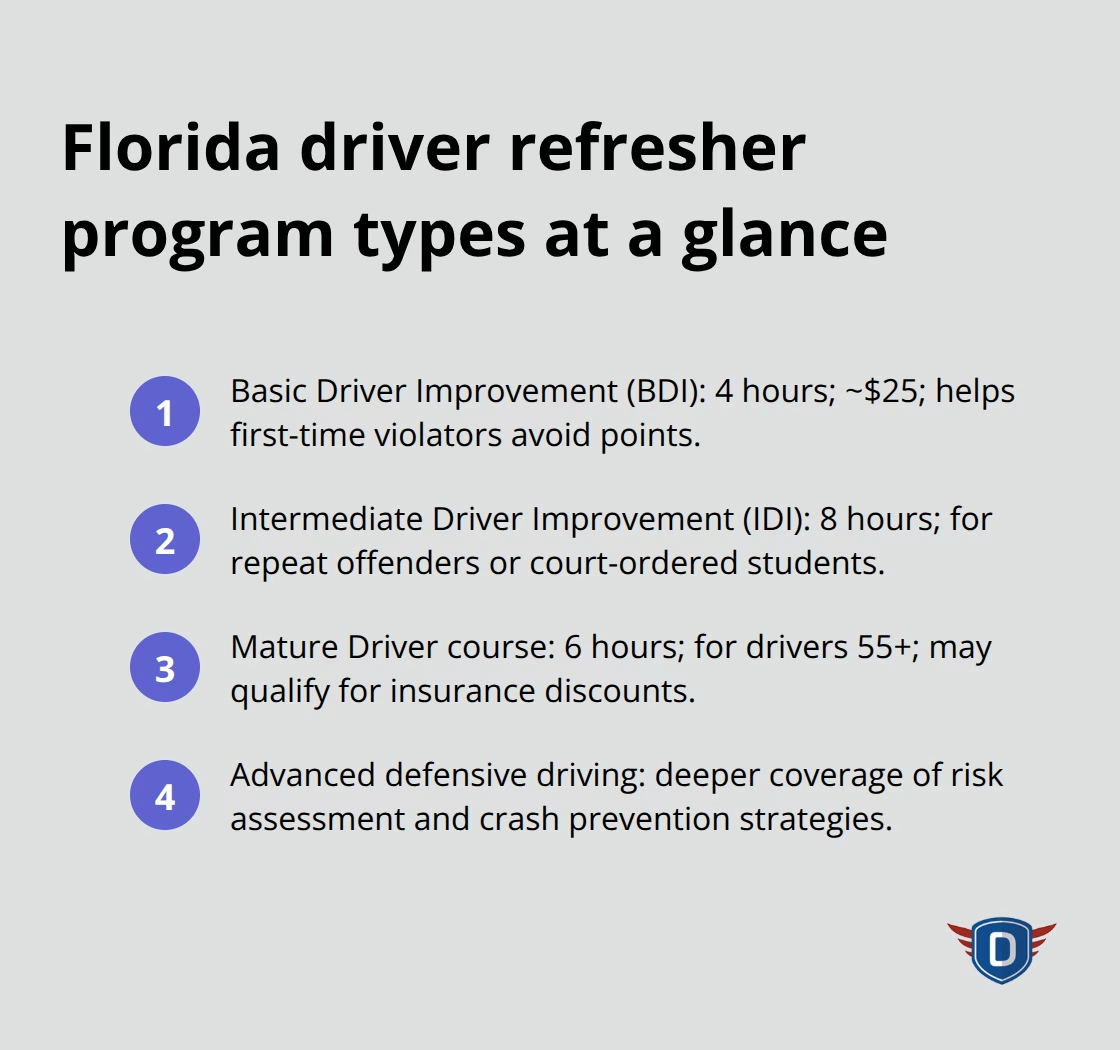
Florida offers four distinct driver refresher programs, each targeting specific violations and driver needs. Basic Driver Improvement courses run 4 hours and target first-time violators who want to avoid points on their license. These programs cost around $25 and focus on fundamental traffic laws and defensive driving basics. Intermediate Driver Improvement extends to 8 hours for repeat offenders or court-ordered students, providing deeper coverage of risk assessment and crash prevention strategies.
Basic Driver Improvement vs Advanced Programs
Basic Driver Improvement (BDI) serves drivers with minor violations who need point reduction on their license. The 4-hour format covers essential traffic laws, safe following distances, and basic defensive techniques. Advanced programs like Intermediate Driver Improvement (IDI) require 8 hours and address more complex topics including aggressive driving behaviors and crash avoidance strategies. Mature Driver courses target drivers aged 55+ with 6-hour programs that focus on age-related driving challenges and insurance discount eligibility.
Court-Ordered vs Voluntary Enrollment
Court-ordered enrollment carries strict deadlines and specific program requirements that voluntary students don’t face. Judges typically mandate completion within 90 days of sentencing, with automatic license suspension if you miss the deadline. Voluntary enrollment allows flexible timing and course selection, often qualifying for insurance discounts up to 10% for three years. Voluntary defensive driving training shows popularity for insurance benefits among drivers seeking point reduction.
Online vs In-Person Format Differences
Online courses dominate the market with 24/7 accessibility and self-paced learning, accounting for roughly 85% of all enrollments in Florida. Classroom sessions offer immediate instructor feedback and peer interaction but require fixed schedules and travel time. Online programs typically cost $15-30 compared to $40-60 for in-person instruction.

Online defensive driving courses demonstrate effectiveness in building driving confidence among participants. Students with learning disabilities or language barriers often benefit more from classroom instruction despite the higher cost and time commitment.
Understanding these program types helps narrow your options before evaluating specific providers and their approval status with Florida authorities.
Key Factors to Consider When Selecting a Course
State approval from the Florida Department of Highway Safety and Motor Vehicles stands as the non-negotiable requirement for any driver refresher course. FLHSMV maintains a strict approval list, and only courses on this registry satisfy court orders, point reduction needs, or insurance discount eligibility. Non-approved programs waste your money and fail to meet legal requirements, forcing you to retake an approved course later.
Check the FLHSMV website directly before enrollment, as approval status changes when providers lose certification or fail compliance audits. The state removes providers from the approved list without advance notice to students.
State Approval and FLHSMV Compliance
Florida law mandates that all traffic schools maintain current FLHSMV certification to operate legally. The department conducts regular audits of course content, instructor qualifications, and record-keeping practices. Providers must submit detailed curriculum updates and pass annual compliance reviews to retain their approved status.
Students who complete non-approved courses face automatic rejection from courts and insurance companies. The FLHSMV approval database updates weekly, so verify your chosen provider’s status within 48 hours of enrollment (not weeks in advance).
Course Duration and Time Commitment
Course duration directly impacts your schedule and completion success rates. Basic Driver Improvement requires exactly 4 hours of instruction time, while Intermediate programs demand 8 hours with mandatory break periods. Online courses allow flexible pacing over multiple sessions, but classroom formats require single-day attendance.
Students who underestimate time commitments show higher dropout rates according to Florida traffic school data. Factor in registration time, technical requirements for online courses, and certificate processing when you plan your schedule. Most online providers allow 30-60 days for completion once you start.
Language Availability and Accessibility Features
Florida law requires traffic schools to provide courses in English and Spanish, with many providers now offering Portuguese options due to growing demand. Students with disabilities must receive reasonable accommodations under ADA compliance, including screen reader compatibility for online courses and interpreter services for classroom instruction.
Vision or hearing impairments require specific technical features that not all providers offer equally. Test these accessibility features during course previews, as switching providers mid-course creates delays and additional costs that most students want to avoid.
These compliance factors directly influence which providers can deliver the quality and reliability you need for successful course completion.
Evaluating Course Quality and Provider Reputation
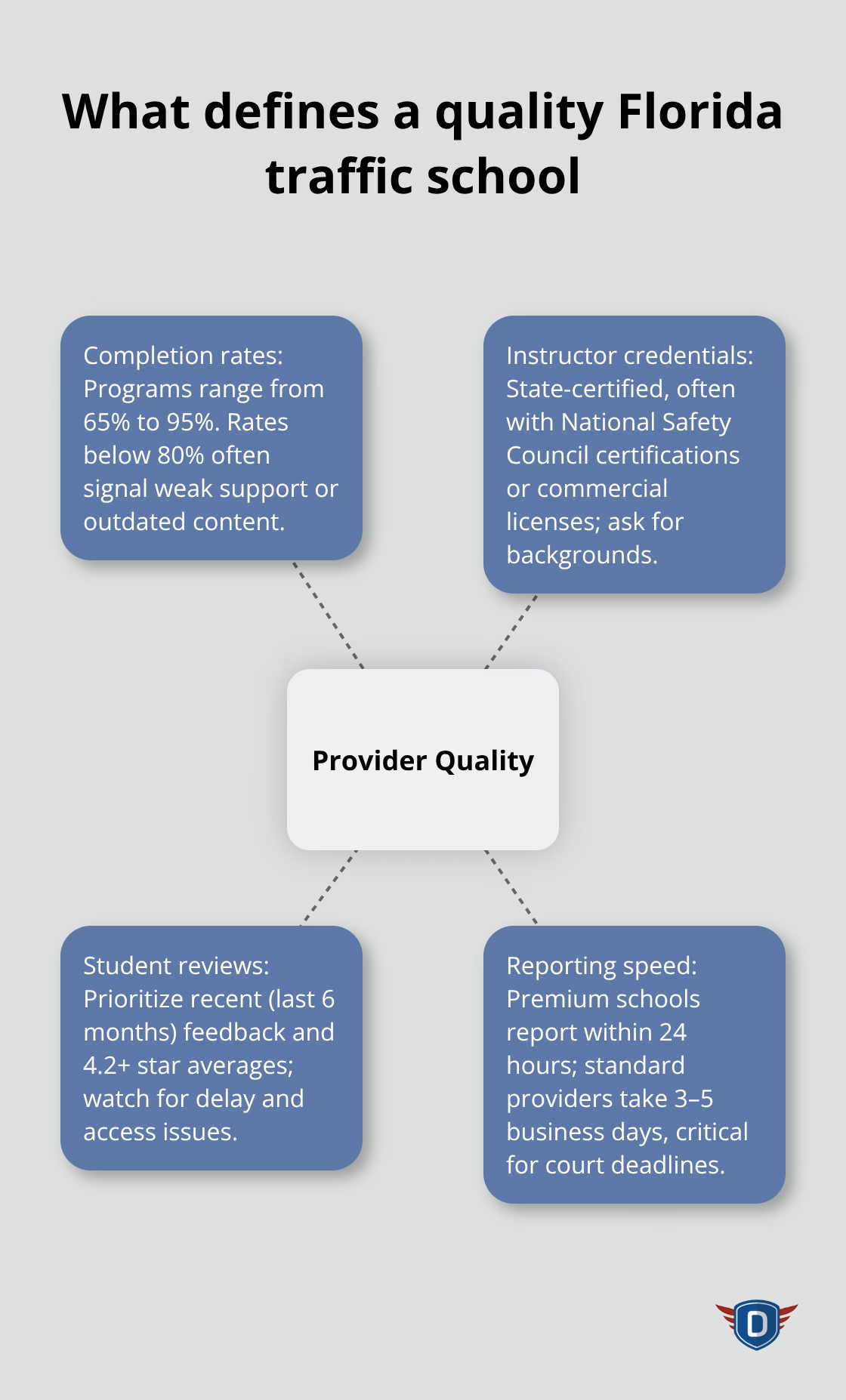
Provider reputation separates legitimate traffic schools from diploma mills that damage your record. Florida hosts over 200 approved traffic schools, but completion rates vary dramatically from 65% to 95% depending on course design and instructor support. Schools with completion rates below 80% typically offer poor student support, confusing navigation, or outdated content that frustrates students into dropout.
Instructor Credentials and Experience
Florida requires traffic school instructors to complete certification programs and pass state examinations, but experience levels differ wildly between providers. Top instructors hold additional certifications from the National Safety Council or maintain commercial licenses with clean records spanning decades. Ask potential providers about instructor backgrounds before enrollment.
Schools that refuse to share instructor qualifications usually hire underqualified staff to cut costs. The best programs feature instructors with law enforcement backgrounds, professional experience, or advanced degrees in traffic safety education.
Student Reviews and Completion Rates
Recent student reviews on Google and Better Business Bureau expose common provider issues like technical glitches, delayed certificates, and unresponsive customer service. Focus on reviews from the past 6 months, as older feedback may not reflect current operations.
Schools with consistently high ratings above 4.2 stars demonstrate reliable service delivery. Negative patterns around certificate delays or course access problems indicate operational weaknesses that could jeopardize your completion timeline. Look for providers that maintain transparent review systems and direct FLHSMV compliance.
Certificate Processing and Reporting Speed
Certificate processing speed directly impacts court deadline compliance and insurance discount activation. Standard providers take 3-5 business days for FLHSMV reporting, while premium schools complete reporting within 24 hours of course completion (sometimes even faster for urgent cases).
Court-ordered students cannot afford processing delays that risk license suspension. Verify exact processing timeframes in writing before enrollment, as verbal promises mean nothing when deadlines approach. Electronic certificates arrive faster than mailed versions, but confirm your court accepts digital formats before choosing this option.
Final Thoughts
Your driver refresher course selection must align with your specific circumstances and legal requirements. Court-ordered students need programs that meet exact judicial mandates, while voluntary participants can prioritize insurance discounts and flexible schedules. Age-related needs differ significantly – drivers over 55 benefit from mature driver programs that address vision changes and medication effects, while younger drivers may need aggressive intervention courses.
State-approved programs protect your investment and guarantee legal compliance. Non-approved courses create expensive delays and force costly re-enrollment when courts or insurance companies reject certificates. Florida’s strict FLHSMV oversight means approved providers maintain current content, qualified instructors, and reliable certificate processing that meets your deadlines (often within 24-48 hours).
We at floridanewdriver.com offer Florida-approved driver refresher course options with multilingual support. Our self-paced online format accommodates busy schedules while maintaining quality instruction you need for successful completion. Start your course today and meet your requirements with confidence.