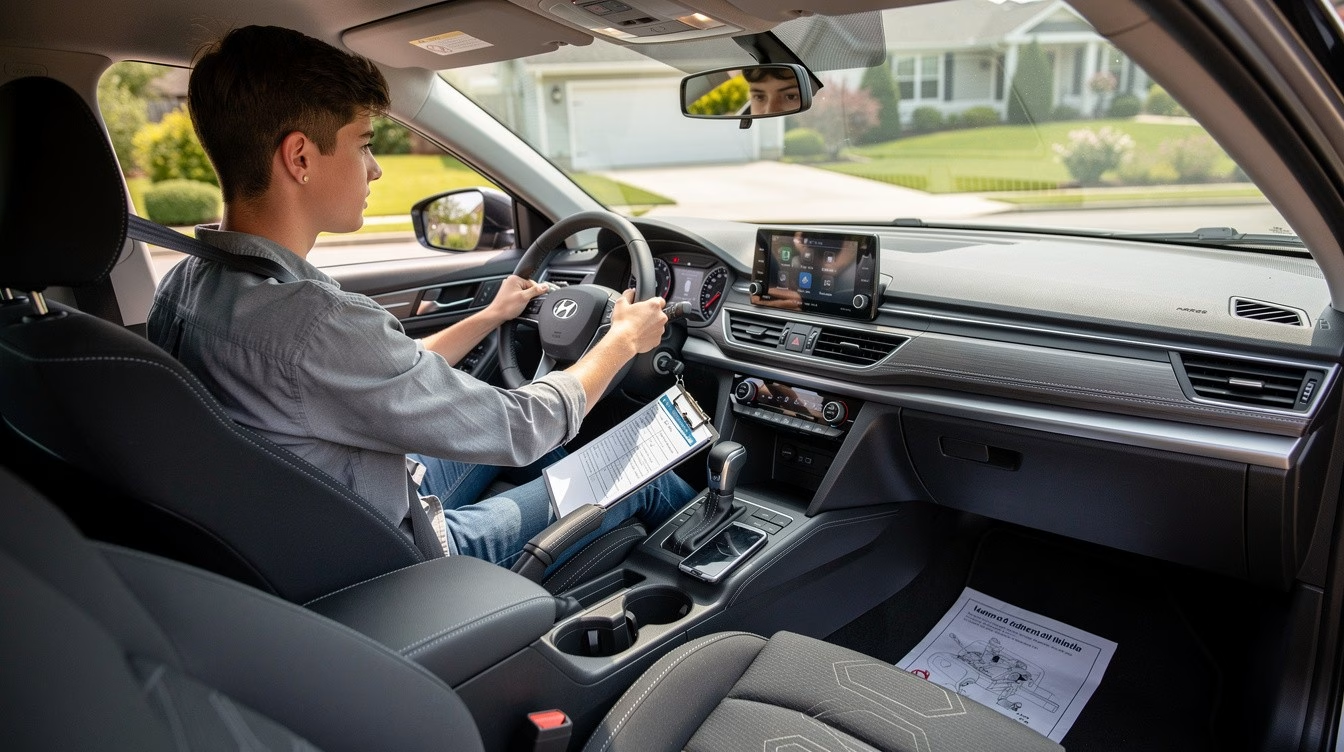
Teenage drivers cause roughly 1 in 5 fatal crashes in the United States, according to the CDC. Parent teen driving guidelines matter because what happens at home directly shapes how your teen behaves behind the wheel.
We at floridanewdriver.com know that structured practice, clear rules, and consistent feedback work better than hoping your teen figures it out on their own. This guide walks you through the specific steps to build safe driving skills before your teen faces real-world traffic alone.
What Should Go Into a Written Driving Agreement
The Foundation: Specific Rules in Writing
A written driving agreement stops vague expectations from becoming arguments. The CDC reports that parent involvement significantly reduces teen crash risk, and a signed agreement is where that involvement starts. Your teen needs to see the rules in writing, not hear them once and forget them.
The agreement should spell out specific behaviors: no phone use while driving (not even at red lights), seat belts fastened before the engine starts, speed limits that match posted signs plus five miles per hour below that as your household standard, and zero tolerance for alcohol or drugs. A parent-teen driving contract is a written agreement that specifies driving rules, consequences, and privileges between parents and their teenage driver, recognizing that written commitments change how teens approach the responsibility.
Making Consequences Real and Measurable
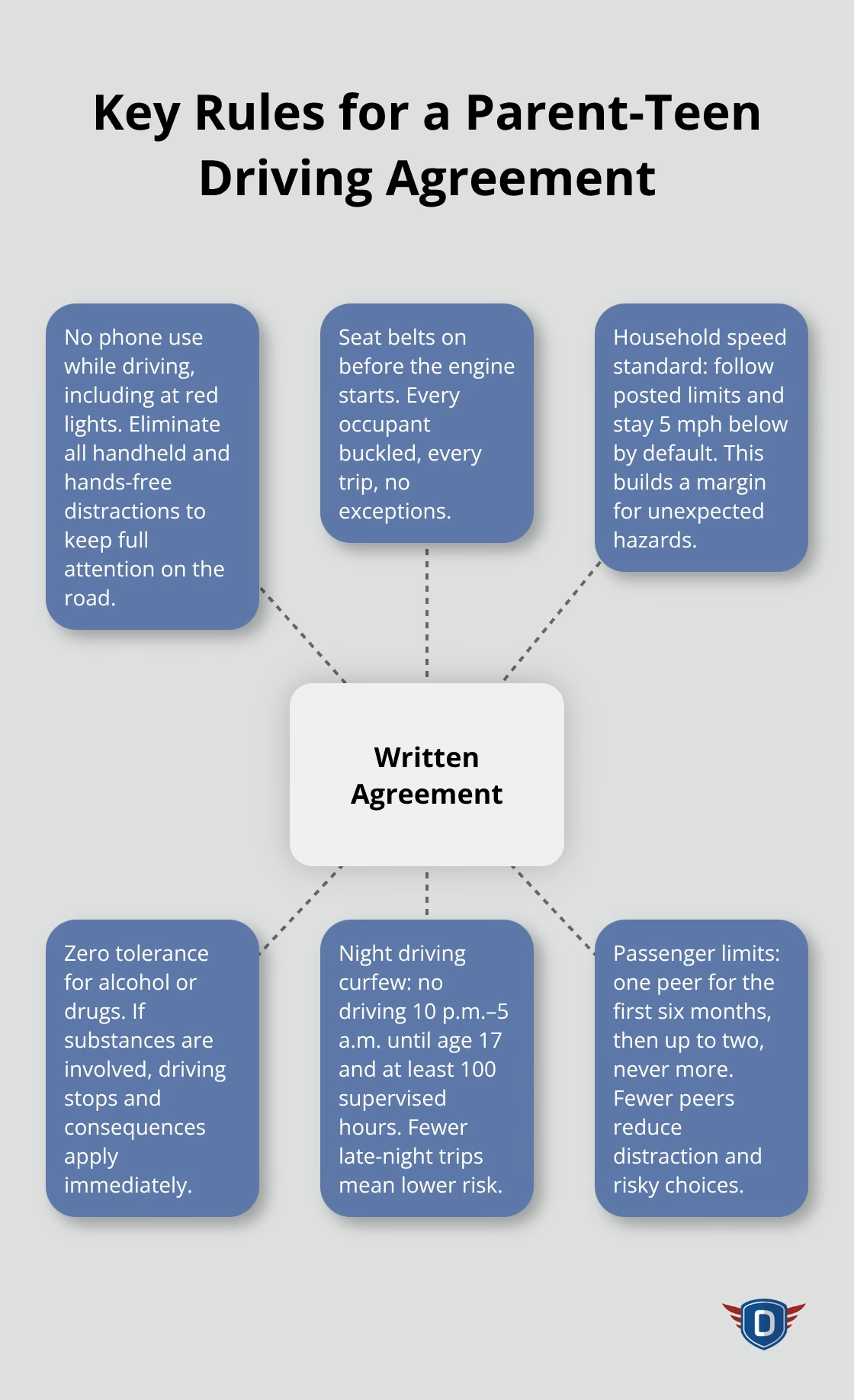
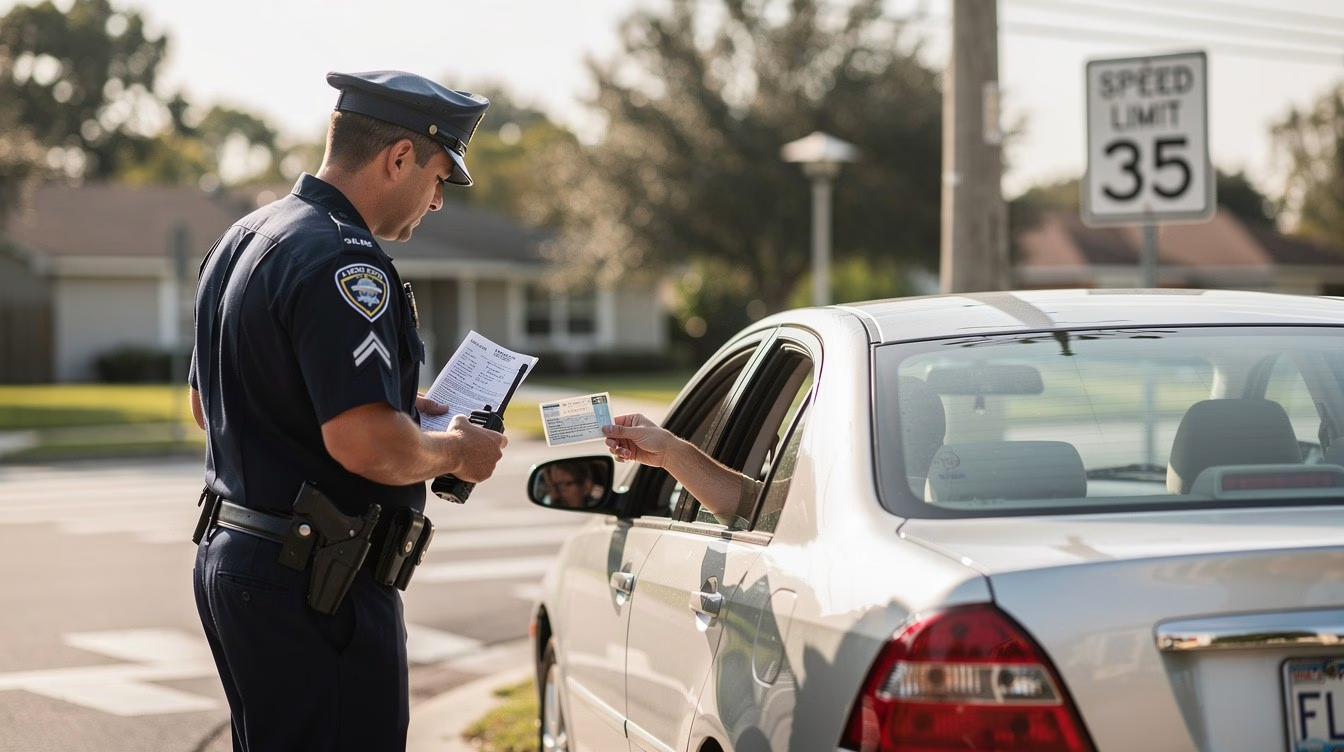
Include consequences that matter to your teen-loss of driving privileges for two weeks, not a vague threat of being grounded. State the exact conditions: if your teen gets a speeding ticket, they pay the fine and their driving stops for 14 days. If they use their phone while driving, they lose the car for a month. Make the agreement specific enough that there’s no room for negotiation when something happens.
Night Driving and Passenger Limits: Where Risk Peaks
Night driving and passenger limits deserve their own section in that agreement because these are where teen crash risk spikes. The National Highway Traffic Safety Administration found that teen drivers with peer passengers take more risks. Your agreement should state a hard rule: no driving between 10 p.m. and 5 a.m. until your teen reaches 17 and has logged at least 100 hours of supervised driving.
For passengers, allow only one peer passenger during the first six months, then two after that, but never more than two. Make exceptions only for immediate family. These limits aren’t punishment-they’re based on crash data that shows the increased risk when multiple teen passengers are in the vehicle.
Connecting Rules to Research
When your teen understands that the rules come from safety research, not parental control, they’re more likely to follow them. Have your teen initial these sections specifically, showing they understand why the restrictions exist. The agreement becomes a reference point when your teen pushes back, and they will push back. You can point to the data, not just parental authority.
With clear rules documented and your teen’s commitment in writing, you’re ready to move into the practice phase-where your teen actually develops the skills to handle the situations those rules address.
Building Foundational Skills Through Practice
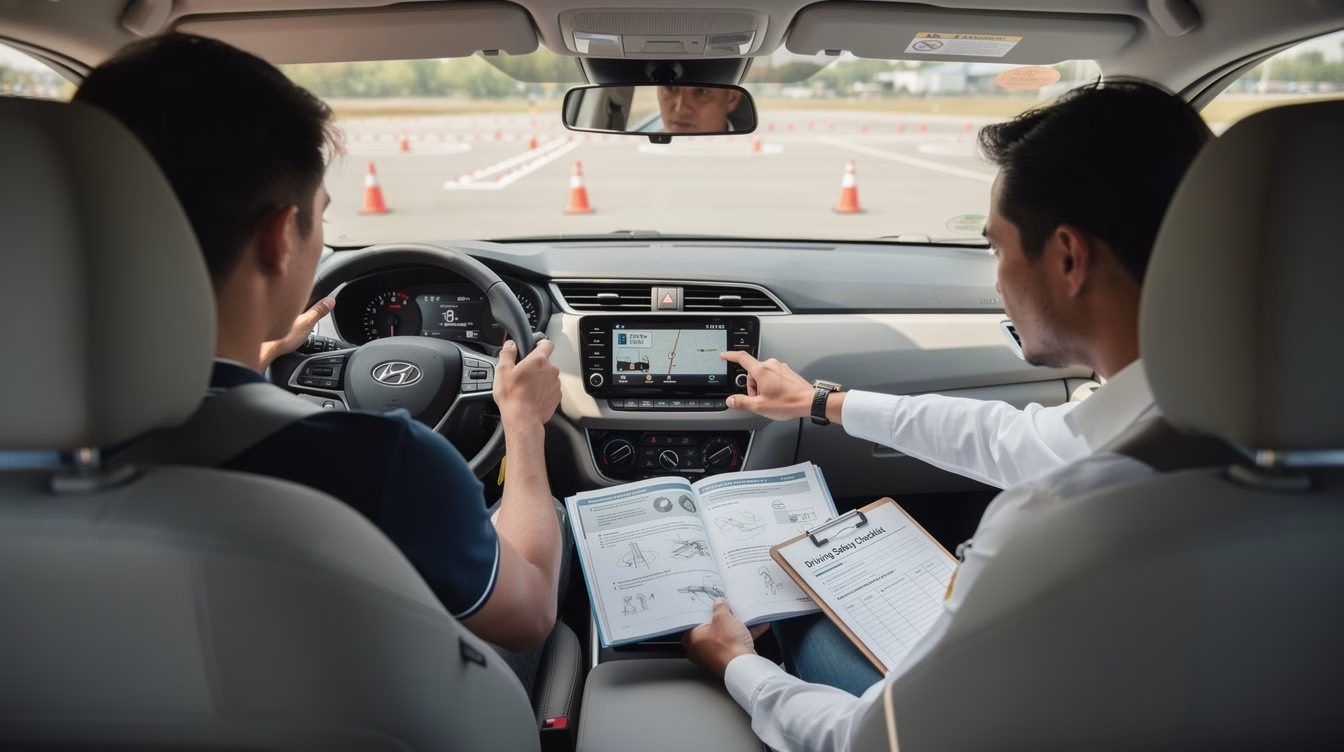
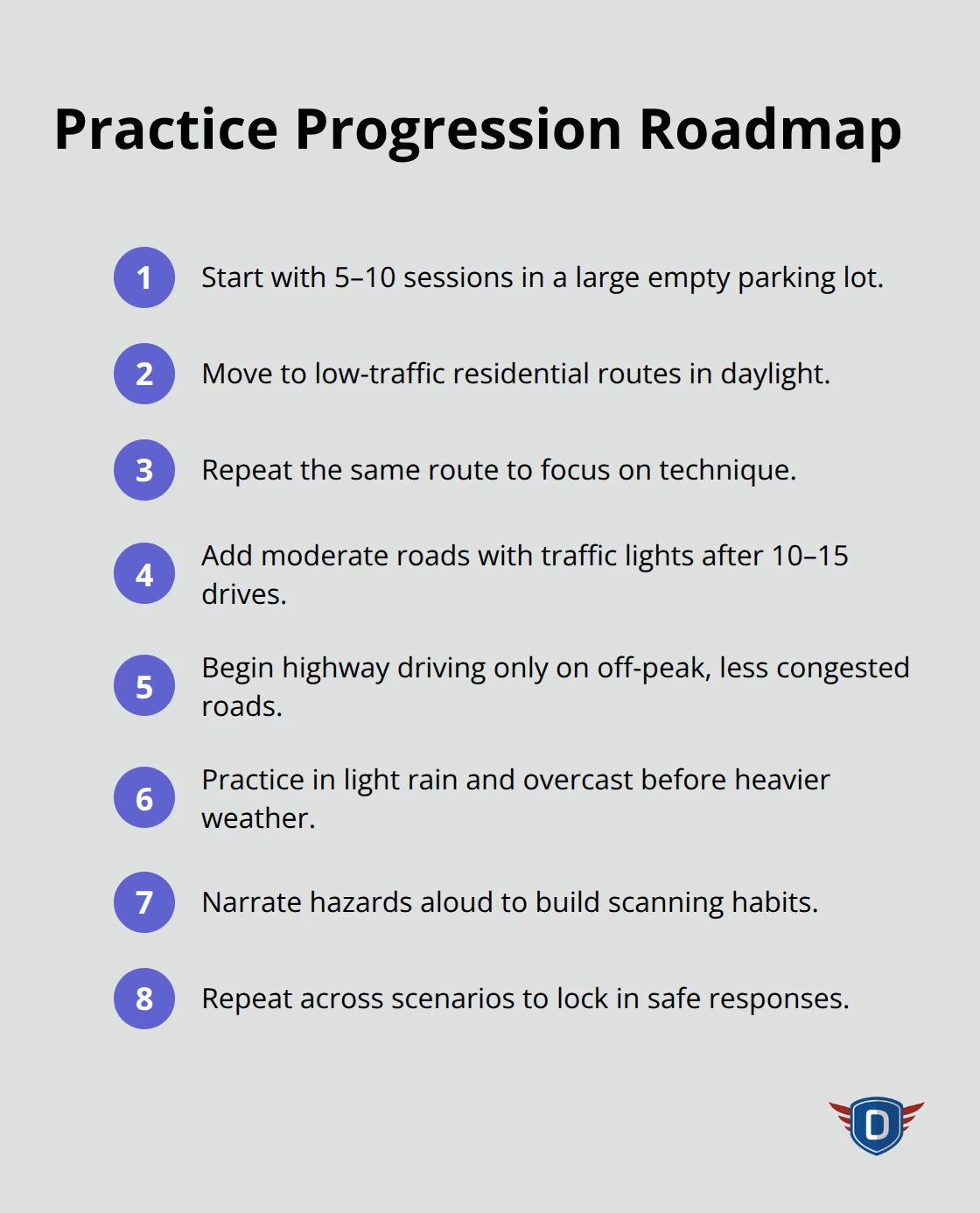
Your teen’s first driving sessions should happen on empty parking lots and quiet residential streets, not on highways or busy intersections. This is non-negotiable. NHTSA data shows that inexperience is the primary factor in teen crashes, and you control the environment where that inexperience gets addressed. Start with a large, empty parking lot where your teen can practice basic vehicle control: smooth acceleration, gradual braking, gentle steering inputs, and parking maneuvers. Spend at least five to ten sessions here before moving to any road with other traffic. Your teen needs to develop muscle memory for how the car responds before adding the cognitive load of watching other drivers, reading signs, and anticipating hazards.
Progress From Quiet Streets to Busier Roads
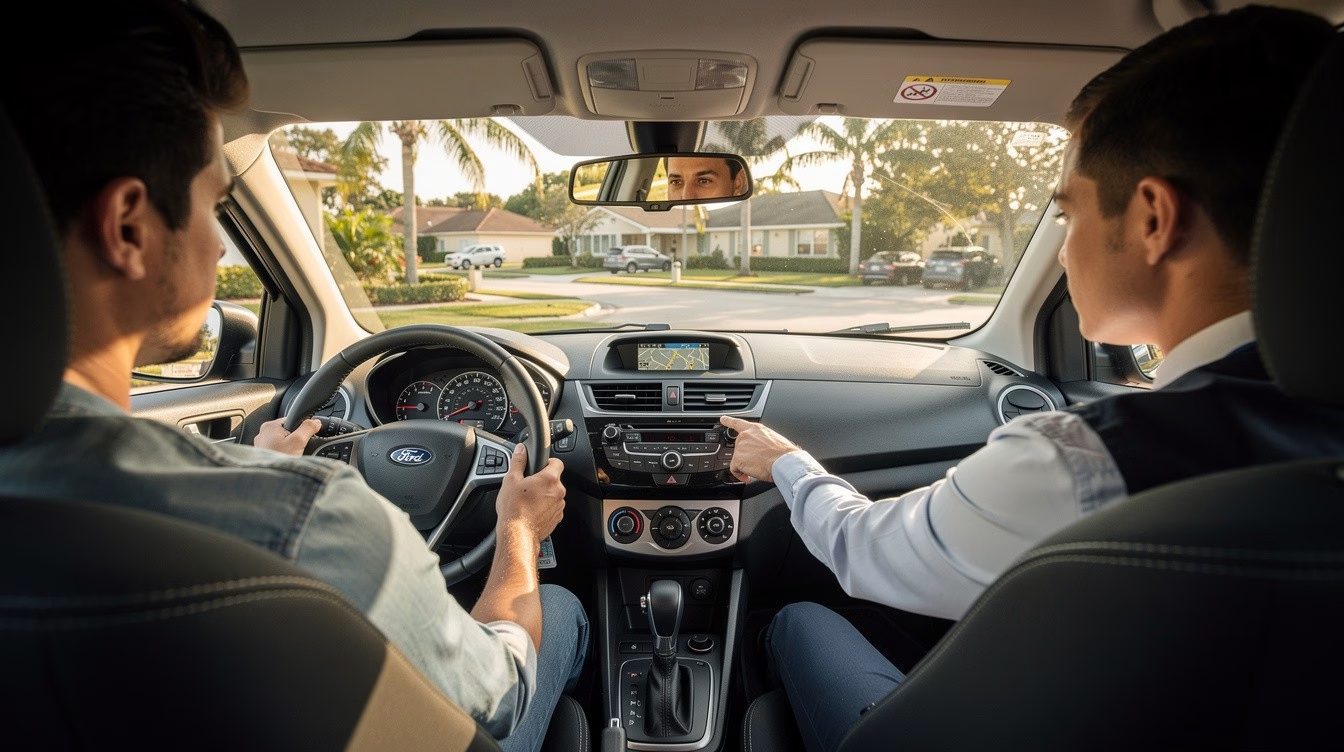
Once parking lot basics are solid, move to low-traffic residential streets during daylight hours on weekdays, never weekends. Have your teen drive the same route multiple times so they can focus on technique rather than navigation. After ten to fifteen residential drives, introduce slightly busier roads with traffic lights and moderate traffic volume, still during daylight. Only after your teen handles these confidently should you introduce highway driving, and even then, start on less congested highways during off-peak hours. This progression takes weeks, not days.
Weather Exposure Prevents Panic Later
Rain, fog, and wet roads change how the car handles, and your teen needs to experience these conditions during practice, not during their first solo drive in a storm. Require your teen to practice in light rain and overcast conditions before attempting heavier precipitation. If you live in an area with snow or ice, winter practice is essential. Your teen should feel how the car slides on slippery surfaces, how braking and steering lose effectiveness, and how speed becomes dangerous. This controlled exposure prevents panic and dangerous overcorrection when it happens unexpectedly later.
Hazard Recognition Beats Reflexes Every Time
Most teens have quick reflexes but poor hazard recognition. They see a parked car but don’t anticipate that a door might open. They see a red traffic light ahead but don’t notice the pedestrian stepping into the crosswalk. Teach your teen to scan the entire road environment thirty seconds ahead, not just what’s directly in front. Point out hazards during every drive: the dark sedan parked illegally might pull out suddenly, the school bus ahead might stop without warning, the delivery truck double-parked creates a blind zone. Have your teen verbalize what they see and what could go wrong. This narration forces active thinking instead of passive driving. After each practice session, discuss one specific hazard your teen missed or handled poorly. Keep these conversations short and focused on one issue at a time, not a lecture about everything they did wrong.
Decision-Making Under Pressure Requires Repetition
Defensive driving techniques fail when teens haven’t practiced them repeatedly. Teach your teen specific responses to common situations: if a car ahead brakes suddenly, maintain a three-second following distance and brake smoothly rather than slamming the pedal. If another driver cuts them off, maintain composure and don’t accelerate or brake aggressively. If visibility is poor, slow down and increase following distance. Create situations where your teen must respond: approach a yellow light and have them decide whether to stop or proceed safely, encounter a distracted pedestrian and have them anticipate potential movement, manage a merge onto a busier road. Real-world practice in controlled conditions builds confidence and automatic responses. Your teen won’t make good decisions under stress if they’ve only heard about them in a classroom or read them in a driver education course. Repetition across different road conditions, traffic scenarios, and weather situations is what separates a licensed driver from a safe driver.
With your teen now building real-world skills through structured practice, you need a system to track what’s working and what needs adjustment. Monitoring progress isn’t about surveillance-it’s about identifying patterns that reveal where your teen still needs guidance.
How to Track Real Driving Progress Without Micromanaging
Collect Data That Reveals Patterns
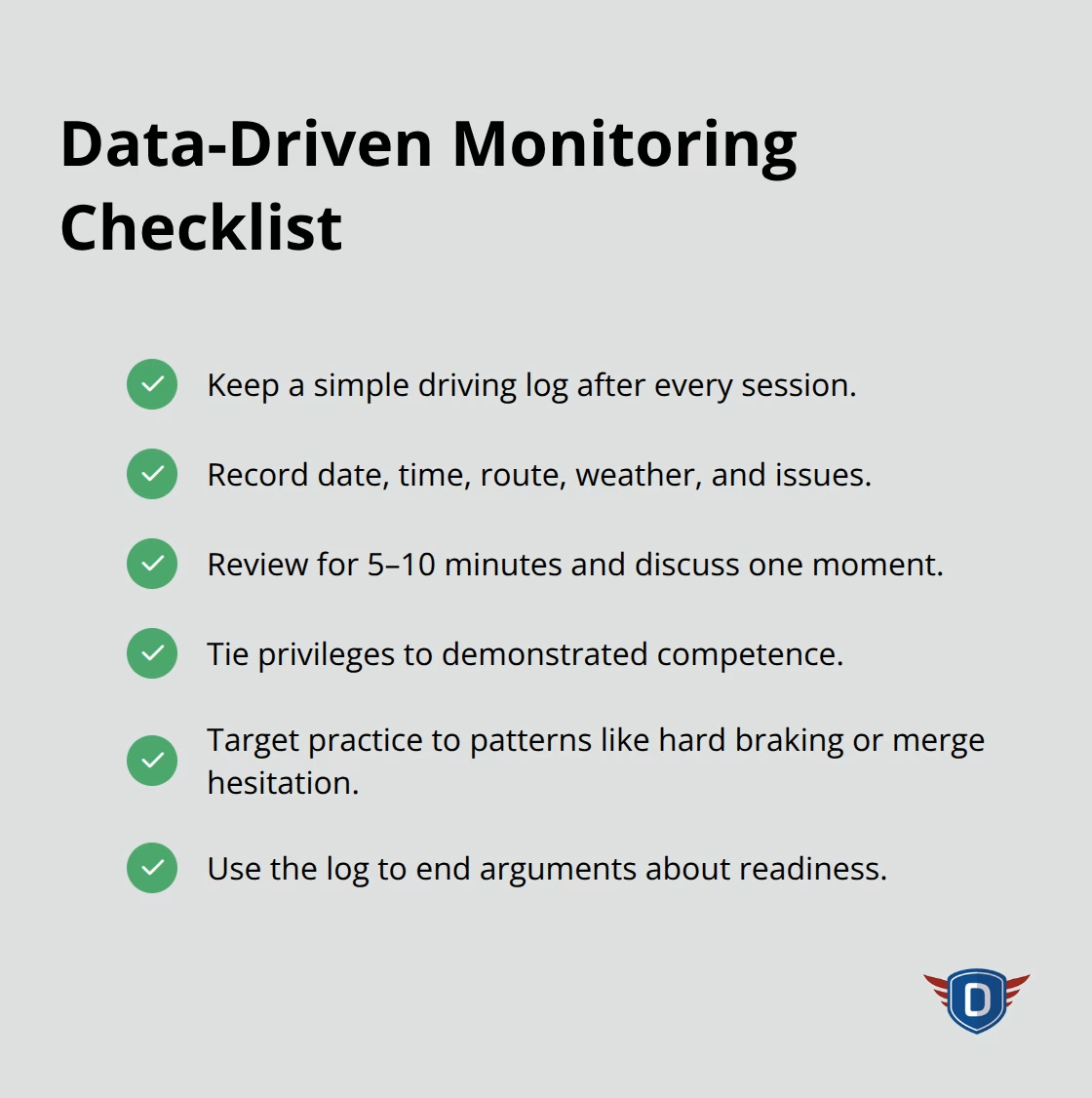
Monitoring your teen’s driving means collecting specific data points about what actually happened, not guessing based on vibes. A simple driving log works best-your teen records date, time, route, weather conditions, and any issues that came up. This log serves two purposes: it forces your teen to reflect on each drive, and it gives you concrete information to discuss. After each session, spend five to ten minutes reviewing what happened. Skip the lecture about everything your teen did wrong. Instead, pick one specific moment and discuss it. If your teen drifted over the center line during a turn, talk about that turn. If they accelerated too hard at a green light, address that acceleration. One issue per conversation prevents your teen from shutting down and stops feedback from becoming punishment.
Identify What the Data Actually Shows
The data you collect reveals patterns that matter. If your teen consistently brakes too hard at stop signs, that’s a technique problem you can fix with targeted practice. If they hesitate on merges, they need more highway exposure. If they speed in school zones, they’re either not reading signs carefully or prioritizing speed over safety, and those require different responses. These patterns tell you exactly where your teen still needs work, not where you think they need work.
Tie Privileges to Demonstrated Competence
Advance your teen’s privileges based on what the log shows, not on time spent driving. Your teen earns nighttime driving by proving they can maintain focus and follow rules during daylight first. They earn passenger privileges by showing they don’t get distracted when others sit in the car. They earn longer routes by handling shorter ones consistently. This approach makes advancement feel earned rather than arbitrary.
Use Data to End Arguments
Most teens push back and argue they’re ready for more. Ignore the argument and point to the log. If the data shows mistakes, more practice happens. If the data shows consistency, privileges increase.
DriverEducators offers the exclusive PracticeTracker included in the Florida DETS Course registration. This tool makes easier to track the learning progress.
The log removes emotion from the decision and shows your teen that advancement depends on their actual performance, not your mood or feelings about their readiness.
Final Thoughts
The parent teen driving guidelines you implement throughout this process work because they address the actual causes of teen crashes: inexperience, poor hazard recognition, and lack of consistent feedback. Written agreements, structured practice in controlled environments, and data-driven monitoring create a system where your teen develops real competence, not just a license. Your involvement as a parent matters more than any single tool or app, and teen drivers with engaged parents who set clear expectations and provide regular feedback crash at significantly lower rates than those left to figure it out alone.
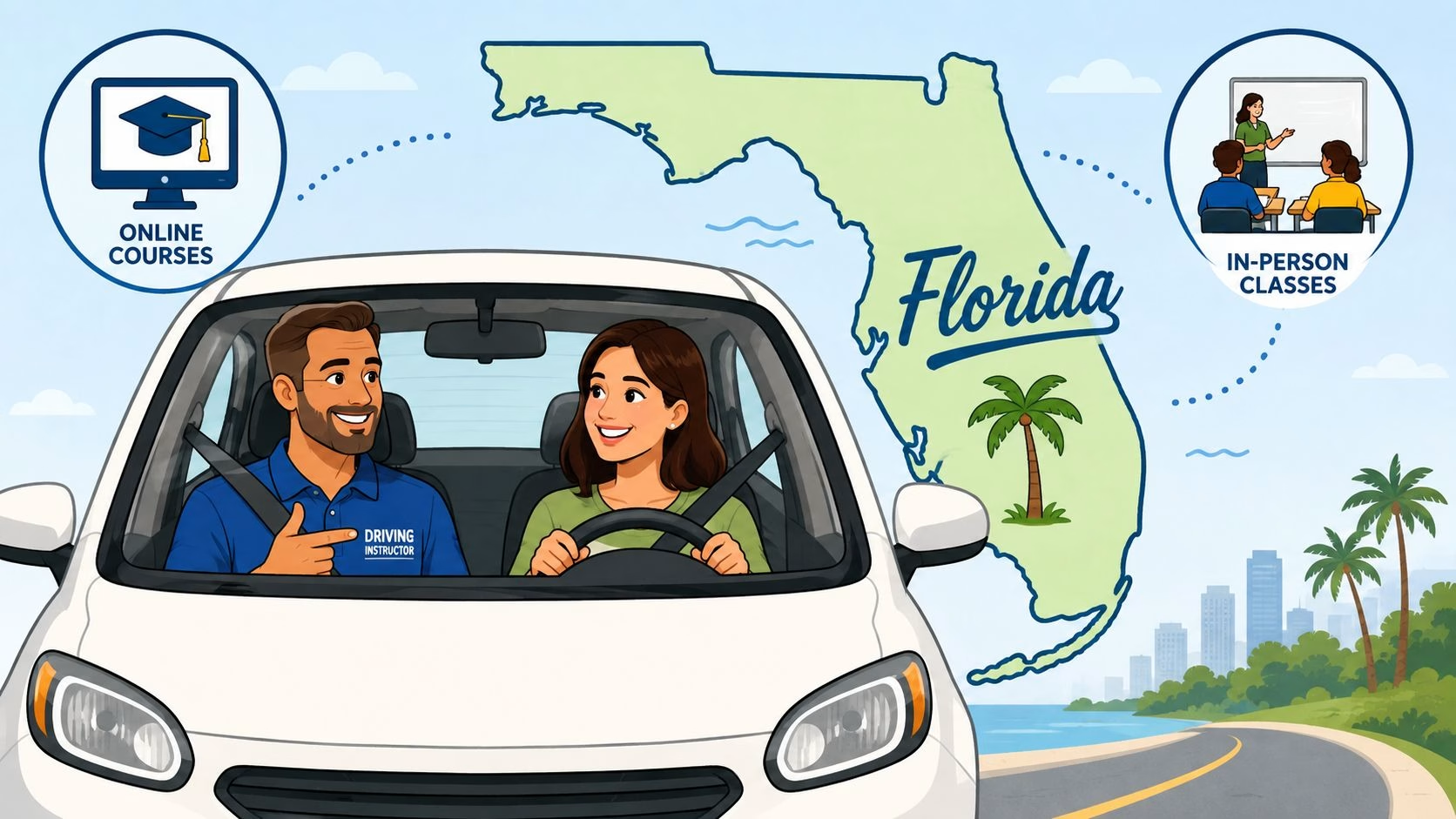
Formal driver education complements your home practice by bringing expertise in defensive techniques and state-specific traffic laws that your teen needs to master. We at floridanewdriver.com provide comprehensive driver education programs designed to help teens adopt lifelong safe habits and make smart decisions on real roads. Our instructors offer personalized guidance in a supportive learning environment, ensuring your teen understands not just how to pass a test, but how to stay safe.
Your teen’s first year of driving determines patterns they will follow for decades. The time you invest now in clear rules, patient practice, and honest feedback pays dividends far beyond getting them safely through their first year, so keep the driving log, maintain those short focused conversations after each drive, and adjust expectations based on actual performance.