Florida’s state approved curriculum for traffic school isn’t just another online course. It’s built on standards set by the Florida Highway Safety and Motor Vehicles (FLHSMV) to teach you the defensive driving skills and traffic laws that actually matter on the road.
At floridanewdriver.com, we know that completing an approved course can protect your driving record and lower your insurance rates. The right curriculum makes all the difference in how you drive and what happens after a violation.
Why Florida’s Approved Curriculum Stands Apart
Florida’s approved curriculum differs fundamentally from generic online traffic courses because it anchors to FLHSMV standards that reflect actual road conditions and current state traffic laws. The Florida Department of Highway Safety and Motor Vehicles updates these standards regularly, so courses incorporate changes to statutes, new traffic technologies, and emerging safety concerns. This isn’t theoretical material-it’s built on what law enforcement, traffic engineers, and safety data show works on Florida’s roads.
Real-World Defensive Driving, Not Just Rules
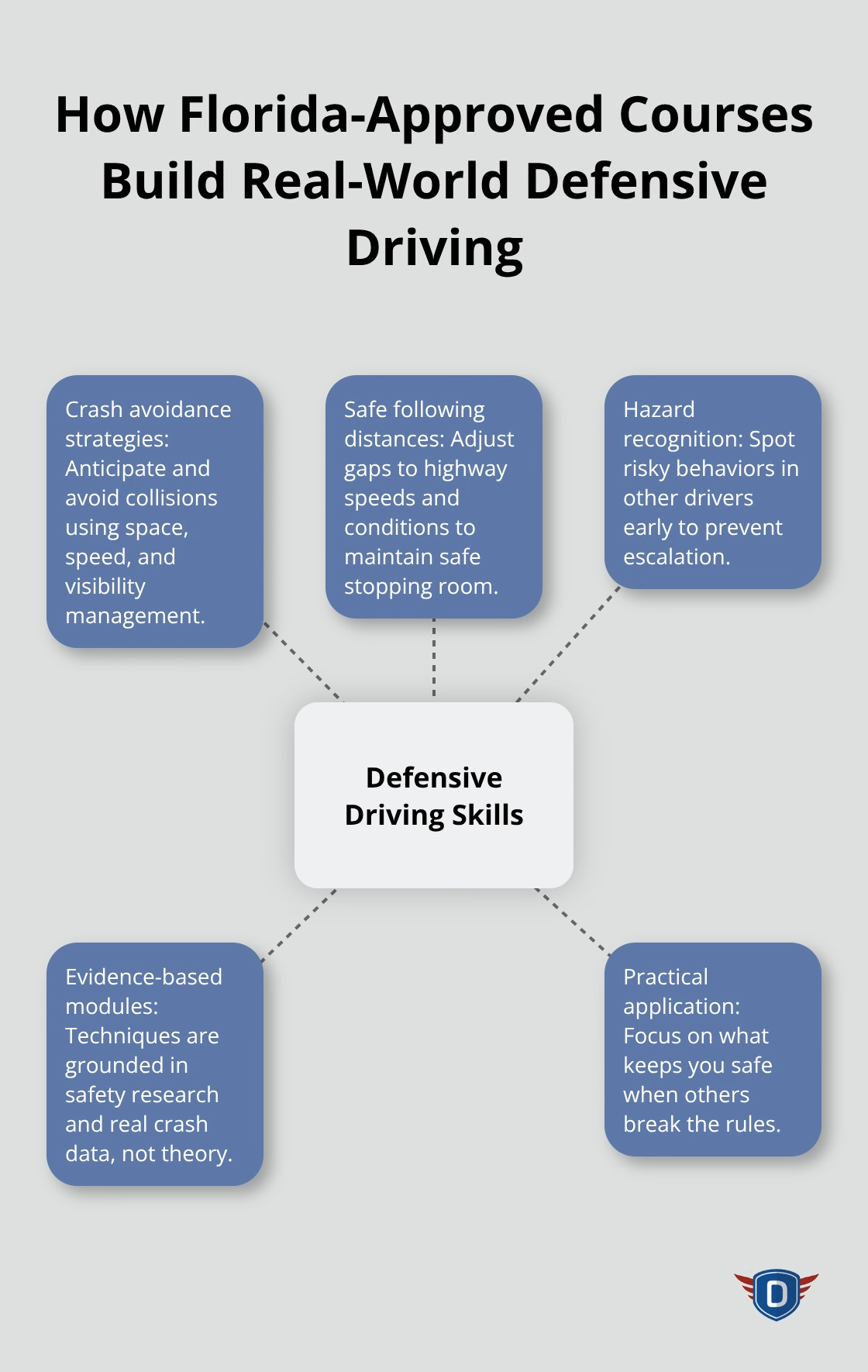
The core difference lies in practical application. Florida-approved courses emphasize defensive driving techniques that prevent crashes rather than simply explaining traffic laws. Students learn crash avoidance strategies, safe following distances calibrated to highway speeds, and how to recognize hazardous driving behaviors in other vehicles. Approved curricula integrate evidence-based techniques into every module, so learners understand not just what the law requires but how to stay safe when others don’t follow it.
Staying Current With Florida’s Traffic Laws
Florida updates its traffic statutes regularly, and approved curricula must reflect these changes within a specific timeframe. Recent additions to Florida’s traffic code include enhanced penalties for distracted driving, updated right-of-way rules for autonomous vehicles, and new impaired driving prevention content. Courses that aren’t regularly updated teach outdated information that could lead to violations or unsafe decisions. Drivers who complete current, state-approved courses understand exactly what’s required today, not what was required five years ago.
Attitude and Decision-Making Behind the Wheel
Approved Florida curriculum addresses how attitude and behavior affect driving safety. Courses examine aggressive driving triggers, the psychology of risk-taking, and how fatigue or stress impacts judgment. This behavioral component matters because research shows that driver attitude and decision-making significantly influence crash risk. Approved courses create lasting behavioral change rather than temporary compliance (which means drivers actually adopt safer habits long-term, not just pass a test).
What Sets Approved Courses Apart From Unaccredited Options
Unaccredited traffic courses may cost less, but they don’t meet FLHSMV standards and won’t satisfy court orders or insurance requirements. Approved courses guarantee that content reflects current Florida law, that certificates report directly to state agencies, and that completion actually protects your record. When you choose an approved course, you know the material is current, the certificate holds legal weight, and your time spent learning translates to real compliance and safety benefits.
What You’ll Actually Learn in Florida Traffic School
Florida Traffic Laws and Right-of-Way Rules
Florida’s state-approved curriculum teaches you the specific traffic laws and right-of-way rules that govern Florida roads, including recent updates like autonomous vehicle protocols and enhanced distracted driving penalties. These laws change frequently, and approved courses reflect these changes within specific timeframes. Right-of-way rules have expanded to address autonomous vehicles, lane-keeping assist systems, and adaptive cruise control interactions. You learn exactly what the law requires today, not what applied five years ago.
Defensive Driving Techniques That Prevent Crashes
Approved courses teach defensive driving techniques grounded in crash prevention research, not theoretical safety concepts. You master practical methods like maintaining safe following distances at different speeds, recognizing aggressive driver patterns before they escalate, and positioning your vehicle to escape hazardous situations. These skills directly impact how safely you drive because they address real threats on Florida roads. You analyze actual driving scenarios, identify hazards before they become emergencies, and practice decision-making that prevents violations and crashes.
Understanding Distracted and Impaired Driving
You learn the science behind why distracted and impaired driving cause crashes, and how to recognize these hazards in other drivers. The National Highway Traffic Safety Administration reports that distracted driving claimed 3,208 lives in 2024. Approved Florida courses teach you to identify phone use, eating, adjusting controls, and other behaviors that increase crash risk. Impaired driving prevention covers not just alcohol and drugs but also prescription medications and fatigue (both of which degrade reaction time and decision-making). You spot these warning signs in other vehicles and understand how they create dangerous situations.
Aggressive Driving and Road Rage Prevention
Aggressive driving receives specific attention because Florida roads experience significant road rage incidents. Courses teach de-escalation strategies and how your own attitude influences whether a traffic situation becomes dangerous. You examine aggressive driving triggers, the psychology of risk-taking, and how stress impacts judgment behind the wheel. This behavioral component matters because driver attitude and decision-making significantly influence crash risk. Approved courses create lasting behavioral change rather than temporary compliance, meaning you adopt safer habits long-term instead of just passing a test.
How These Topics Connect to Your Driving
Florida-approved curriculum integrates these topics so they reinforce each other, meaning you don’t memorize isolated rules but instead develop an interconnected understanding of safe driving behavior. This interconnected approach transforms how you respond to real-world driving situations. The next section examines which course type matches your specific situation and driving needs.
Which Florida Course Matches Your Driving Situation
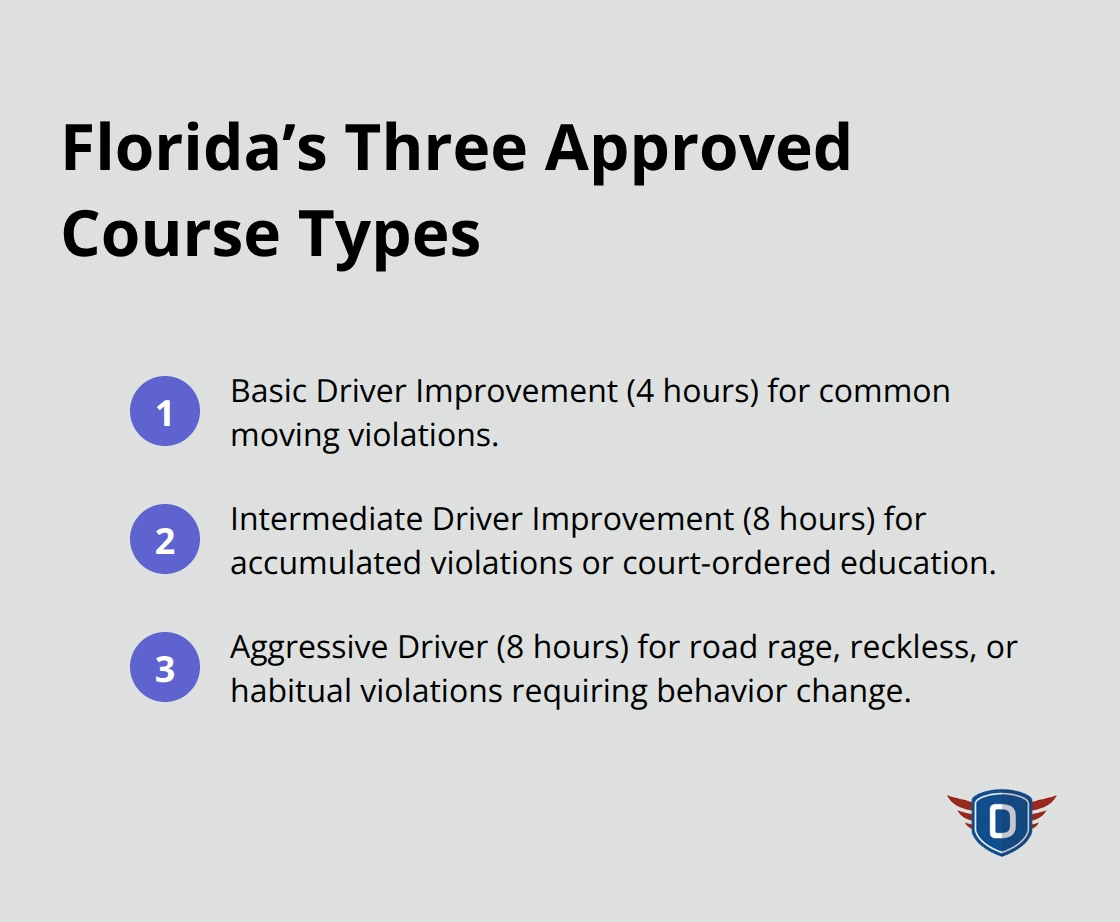
Your violation or court order determines which approved course you actually need, and selecting the wrong program wastes money and time. Florida recognizes three primary course types, each designed for specific circumstances and legal requirements.
Basic Driver Improvement for Moving Violations
The Basic Driver Improvement course handles most moving violations and runs 4 hours, making it the right choice if you received a ticket for speeding, improper lane change, or similar infractions and want to keep points off your record. This course costs less because it covers essential traffic laws and defensive driving without extended behavioral modules. Courts rarely order BDI for serious violations, so if you’re facing a court requirement, you likely need a different program. Insurance companies recognize BDI completion and often provide modest discounts, though the reduction depends on your policy and driving history.
Intermediate Driver Improvement vs. Aggressive Driver Courses
Intermediate Driver Improvement and Aggressive Driver courses serve different purposes despite both running 8 hours. Courts typically order IDI when you’ve accumulated violations or when a judge wants documented proof that you understand safe driving principles, whereas Aggressive Driver courses address road rage, reckless driving, or habitual moving violations that suggest behavioral problems rather than simple mistakes. The Aggressive Driver course emphasizes de-escalation, anger management, and the consequences of aggressive behavior on Florida roads where road rage incidents create genuine safety hazards. If your court order specifies behavioral change or anger management, you need the Aggressive Driver course, not IDI. Selecting IDI when Aggressive Driver is mandated means your certificate won’t satisfy the court requirement, forcing you to retake the correct course.
Mature Driver Course for Drivers 55 and Older
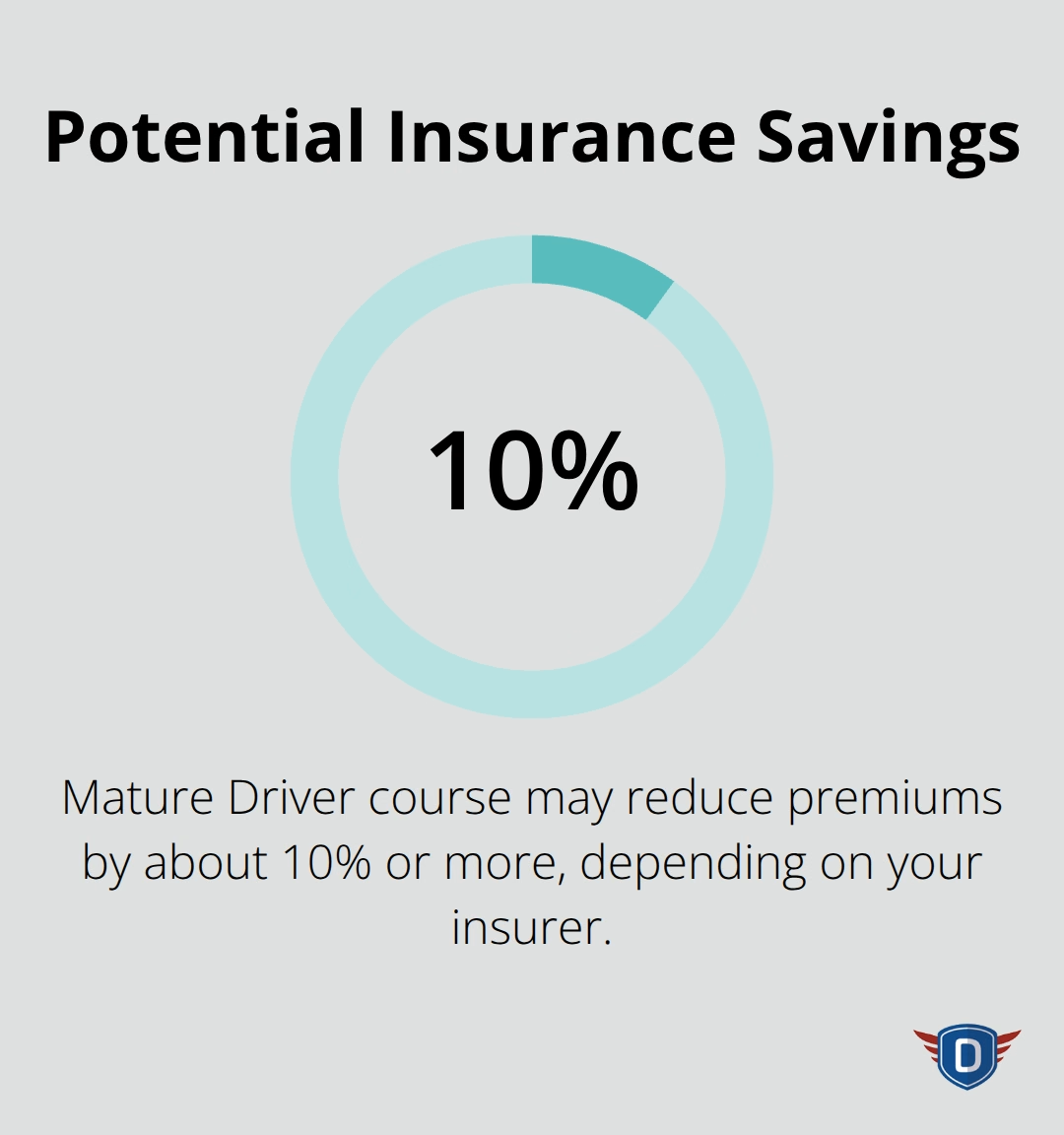
The Mature Driver course serves drivers 55 and older and runs 6 hours, focusing on age-related changes in vision, reaction time, and medication interactions that affect driving safety. Insurance companies provide steeper discounts for Mature Driver completion than for BDI, sometimes reducing premiums by 10 percent or more depending on your insurer. This course isn’t ordered by courts but represents the smartest choice if you’re over 55 and seeking insurance savings.
Identifying Your Required Course Type
Your specific situation-whether you face a moving violation, court order, or insurance discount opportunity-determines which course fits your needs. Court orders specify the exact course type required, so verify your paperwork before enrolling. If you’re unsure which program applies to your situation, contact your local court or traffic enforcement agency to confirm the exact requirement before you register.
Final Thoughts
Florida’s state-approved curriculum for traffic school directly impacts how safely you drive and what happens to your record and insurance rates after a violation. Approved courses teach current traffic laws, defensive techniques grounded in crash prevention research, and behavioral skills that reduce your risk on Florida roads. Generic online courses don’t meet FLHSMV standards and won’t satisfy court orders or insurance requirements, making them a waste of time and money.
Completing an approved course protects your driving record by removing points from violations, which prevents license suspension and keeps your driving history clean. Insurance companies recognize approved course completion and offer measurable discounts-sometimes 10 percent or more depending on your policy and the course type. These savings accumulate over years, meaning a single 4-hour or 8-hour course can reduce your premiums significantly.
Your next step depends on your specific situation: if you received a moving violation and want to avoid points, enroll in a Basic Driver Improvement course; if a court ordered you to complete traffic school, verify the exact course type required before registering; if you’re over 55 and seeking insurance savings, the Mature Driver course delivers the steepest discounts available. We at floridanewdriver.com offer all four approved course types fully online and self-paced, with certificates reported directly to the FLHSMV. Start your enrollment today and protect your record while becoming a safer driver.