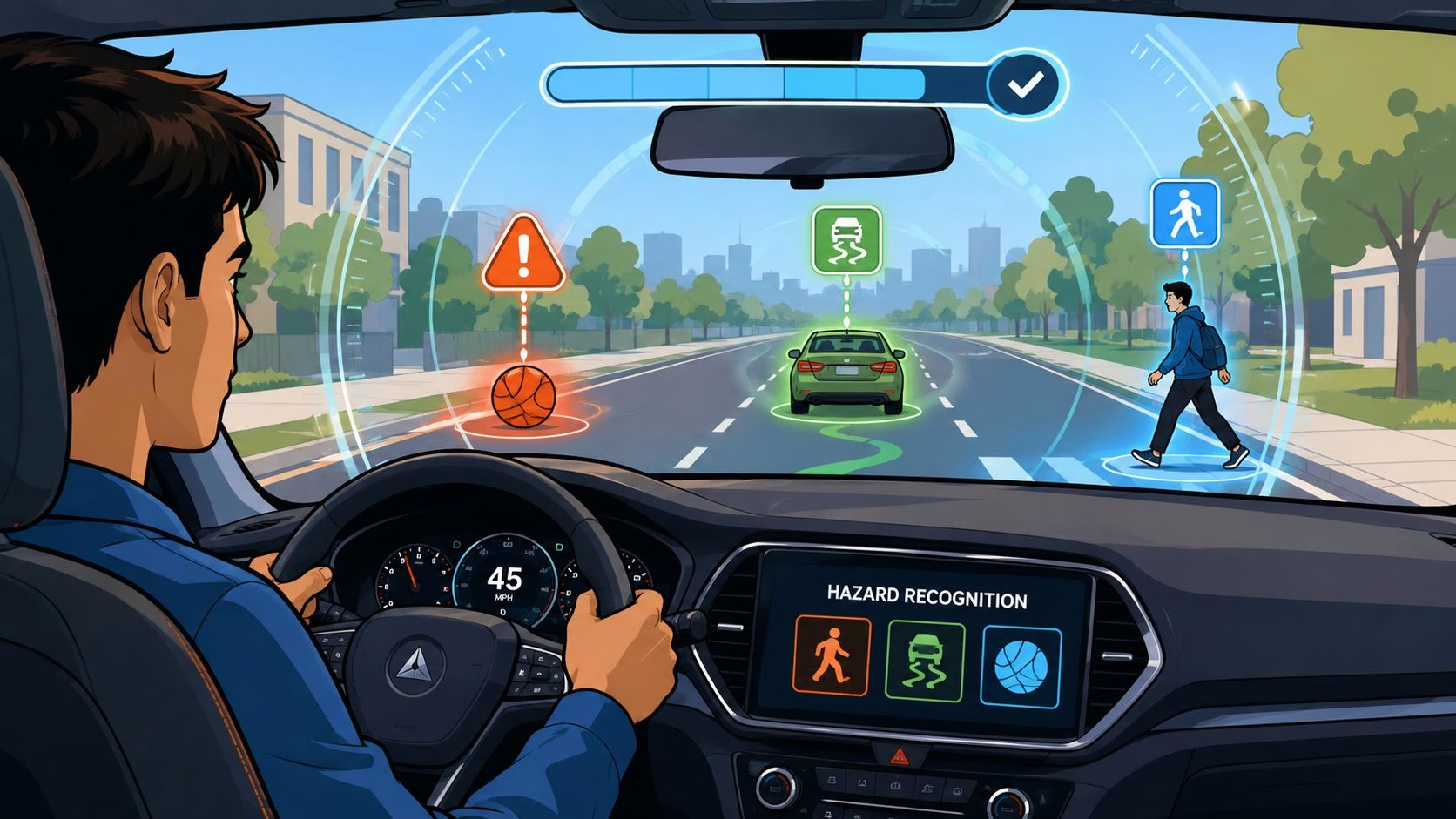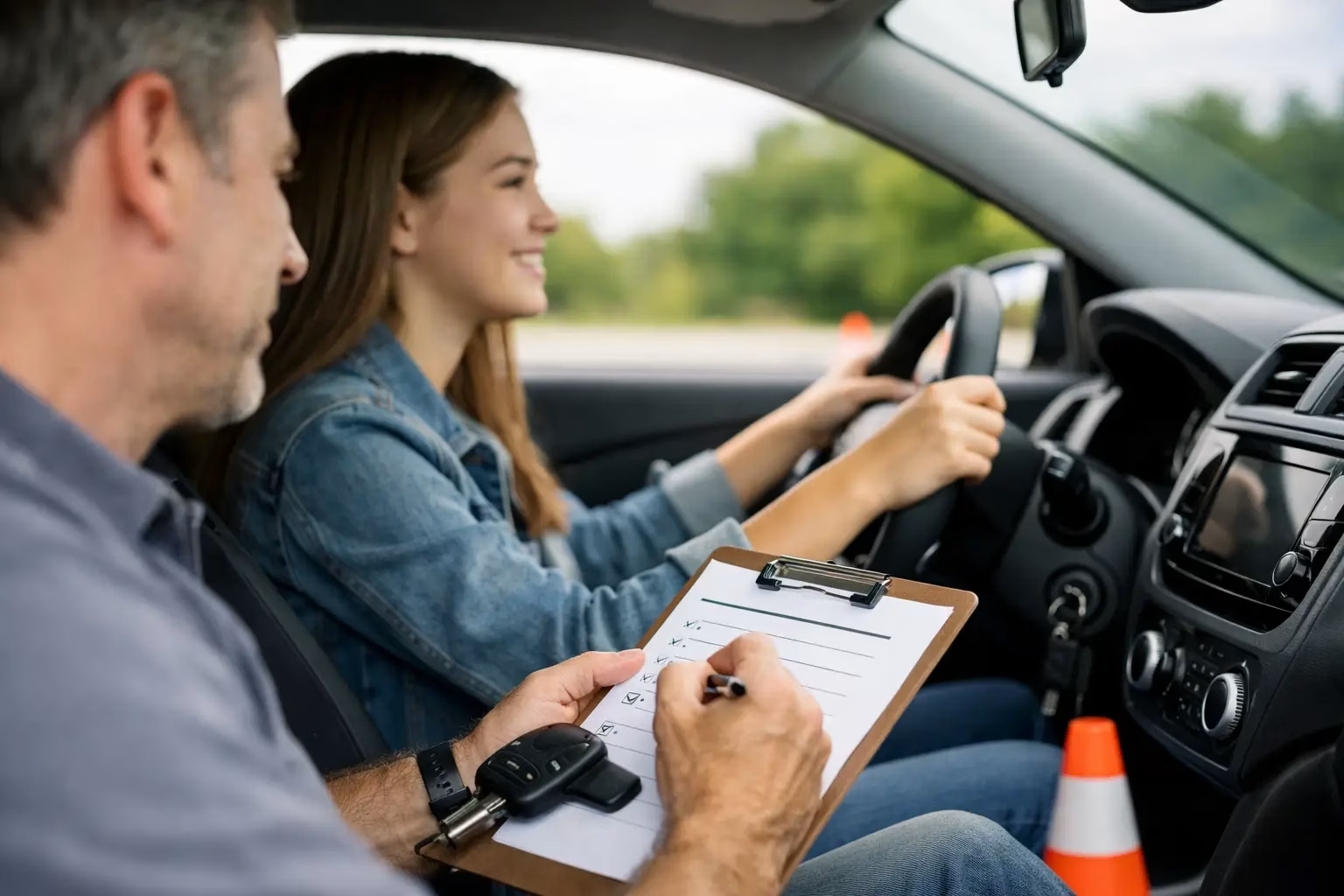
The first time a teen drives without an instructor or parent in the passenger seat is not the time to find out whether they can handle a dead battery, a missed turn, or a driver who cuts across three lanes. A practical teen driving checklist gives families a clear way to prepare for real conditions, not just the permit test.
A checklist does not replace state-required driver education, supervised practice hours, or a road skills exam. It helps teens use those requirements well. The goal is simple: build repeatable habits before the responsibility of independent driving arrives.
Teen Driving Checklist Before Every Drive
The safest drive begins before the vehicle moves. Teens should make these checks routine enough that they do not need a reminder from a parent, instructor, or driving examiner.
Confirm you are legal and ready to drive
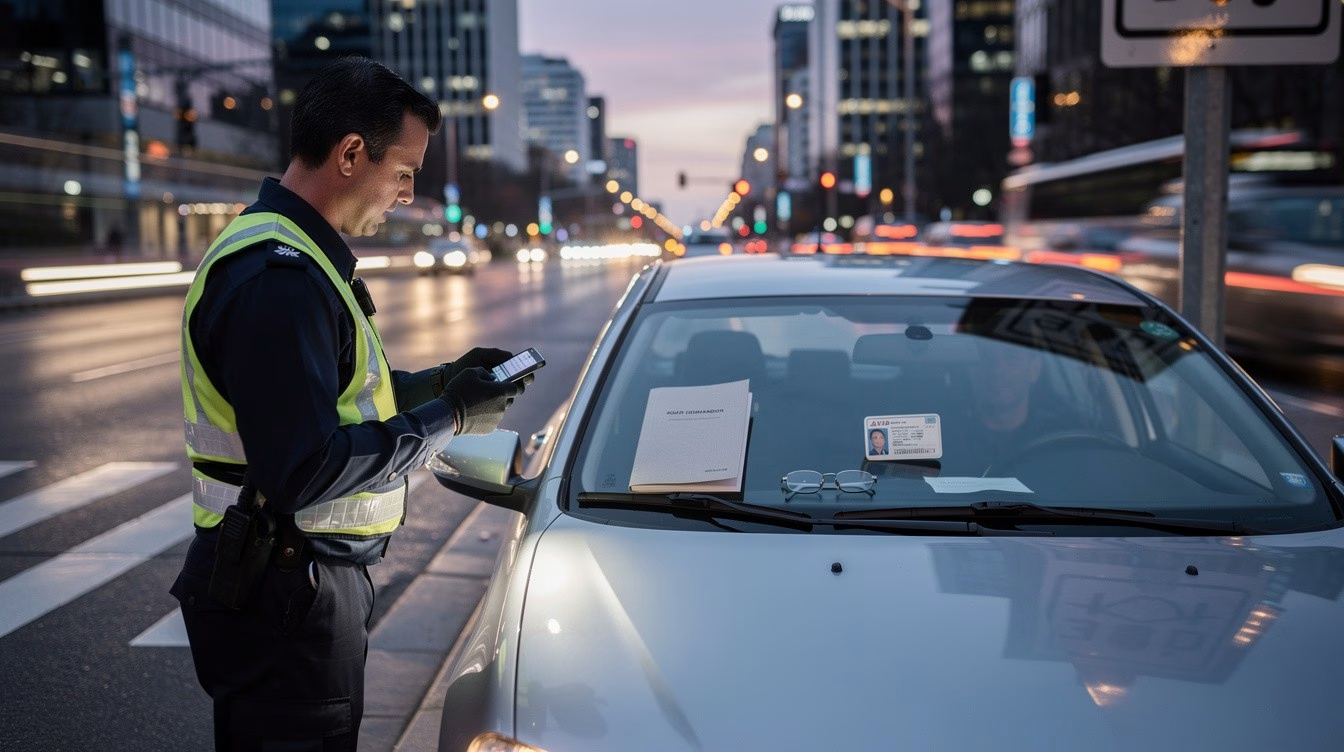
Carry the correct permit or license and follow every restriction that applies. These restrictions vary by state and may include a required supervising adult, limits on nighttime driving, passenger limits, or a ban on wireless device use.
Readiness also means being physically and mentally prepared. A teen who is exhausted, upset, ill, rushed, or distracted should not drive if another option is available. Good judgment includes knowing when to hand over the keys.
Set up the vehicle before shifting into gear
Adjust the seat so the driver can press the brake pedal firmly while maintaining a slight bend in the knee. Set the mirrors, fasten the seat belt, check that passengers are buckled, and place the phone out of reach before starting the car.
Teens should also know the location and basic use of headlights, turn signals, windshield wipers, hazard lights, defrosters, and parking brake. Controls are not identical from one vehicle to another. A few minutes in an unfamiliar car can prevent confusion in rain, darkness, or an emergency.
Do a quick vehicle condition check
A full mechanical inspection is not needed before every short trip, but drivers should look for obvious problems. Check that tires do not appear flat, windows and lights are clear, fuel or battery range is sufficient, and nothing loose can roll under the pedals.
Before backing out, scan around the entire vehicle. Children, pets, bicycles, trash cans, and low objects may not be visible in mirrors or a backup camera. Cameras assist the driver, but they do not replace looking over the shoulder.
Build Skill Through Supervised Practice
Practice hours matter, but the quality and variety of practice matters too. Repeating the same route on a quiet afternoon may help with basic steering and braking, yet it does not prepare a new driver for traffic, weather, or decision-making under pressure.
Start in low-risk settings, then add one challenge at a time. A teen may first practice smooth stops in an empty parking lot, then quiet neighborhood turns, then lane changes on local roads. Moving from simple to complex situations gives the driver time to develop control without becoming overwhelmed.
Practice the skills that cause real-world problems
New drivers benefit from focused repetition in the areas where small mistakes can have serious consequences. Plan separate practice sessions for the following:
- Checking mirrors and blind spots before changing lanes or merging
- Maintaining a safe following distance and recognizing when traffic is slowing
- Making complete stops and yielding correctly at intersections
- Parking, backing, and safely leaving a parking space
- Entering highways, merging, exiting, and choosing the correct lane
- Driving in rain, at night, and on roads with limited visibility
Do not introduce every challenge during one drive. If a teen is learning highway merging, choose dry weather and daylight first. If they are practicing rain driving, use familiar roads and avoid heavy traffic when possible.
Use calm, specific coaching
The supervising adult should give directions early and keep them short. �The next right is coming up, move toward the right lane when it is safe� is more useful than a sudden command at the intersection.
After the drive, discuss one or two successes and one skill to improve next time. Avoid turning every practice session into a list of mistakes. Confidence is earned through honest feedback, not empty praise, but a nervous teen learns better in a calm vehicle.
Prepare for the Permit Test and Road Test
A written permit test usually measures traffic laws, signs, safe-driving practices, and state-specific rules. Reading a handbook once is rarely enough. Teens should review missed questions, explain the rule in their own words, and understand why the wrong answers are unsafe or illegal.
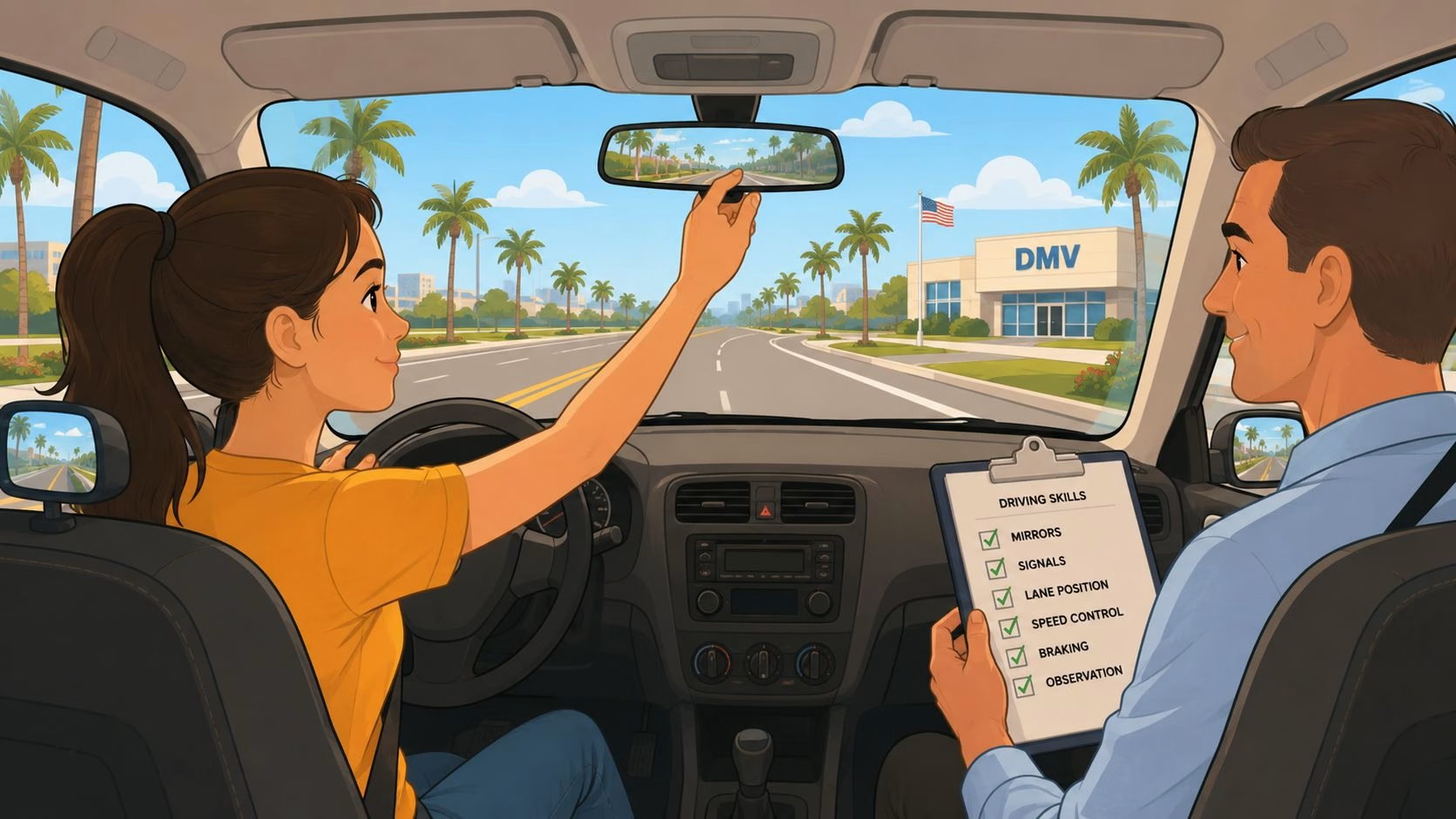
For the road test, check the state licensing agency’s current requirements before scheduling. Requirements may include specific documents, proof of identity, a completed practice log, a compliant vehicle, insurance information, and a parent or guardian signature for minors.
Road test vehicle checklist
The testing vehicle should be safe and legal to operate. Confirm that registration and insurance are current, required lights work, tires are properly inflated, and the windshield provides a clear view. A malfunctioning brake light or expired document can end the appointment before the driving test begins.
On test day, arrive early enough to settle in without rushing. The examiner is evaluating safe control and decision-making, not perfection. If a direction is unclear, the teen should ask for clarification rather than guessing.
Set Rules for the First Months of Independent Driving
A new license expands freedom, but the first months of solo driving are also a high-risk period. Families should agree on rules before the teen begins driving alone, not after a close call or traffic citation.
State graduated licensing laws establish the minimum rules. Families can choose stronger limits based on a teen’s experience, driving environment, and maturity. For example, a teen who regularly drives rural roads may need more practice with wildlife and unlit roads, while a teen in a congested metro area may need extra work with pedestrians, cyclists, and multilane traffic.
Address the highest-risk distractions directly
Phone use deserves a firm rule: no texting, scrolling, recording, or handheld calls while driving. Set navigation and music before leaving, or pull over safely when a change is necessary. A hands-free feature can reduce manual distraction, but conversation itself can still take attention away from the road.
Passenger limits are equally practical. Friends can create pressure to speed, show off, take eyes off the road, or make last-second decisions. Fewer passengers give a new driver more attention for traffic and less pressure to perform.
Night driving should be introduced gradually. Reduced visibility, fatigue, glare, impaired drivers, and changing road conditions all raise the difficulty. A teen who drives confidently during daylight may still need supervised practice at night.
Keep an Emergency Plan in the Car
Every teen should know what to do when the drive does not go as planned. That includes a flat tire, overheated engine, crash, severe weather alert, or feeling too tired to continue.
Keep the vehicle’s registration, insurance details, and emergency contact information accessible. A basic kit can include a flashlight, phone charging cable, water, reflective materials, a first-aid kit, and weather-appropriate items. The right contents depend on the local climate and the distance usually traveled.
If the vehicle breaks down, the first priority is getting to a safe location when possible. Turn on hazard lights, stay aware of traffic, and call a parent, roadside assistance provider, or emergency services as the situation requires. Teens should never attempt roadside repairs near fast-moving traffic unless they can do so safely.
After any crash, stop, check for injuries, call 911 when needed, exchange required information, and follow state reporting rules. They should not admit fault at the scene or argue with the other driver. Accurate information and safety come first.
Make the Checklist a Living Document
A checklist should change as a teen gains experience. Add items after a difficult weather drive, a confusing parking situation, or a lesson from a supervised trip. The point is not to make driving feel intimidating. It is to make safe decisions familiar.
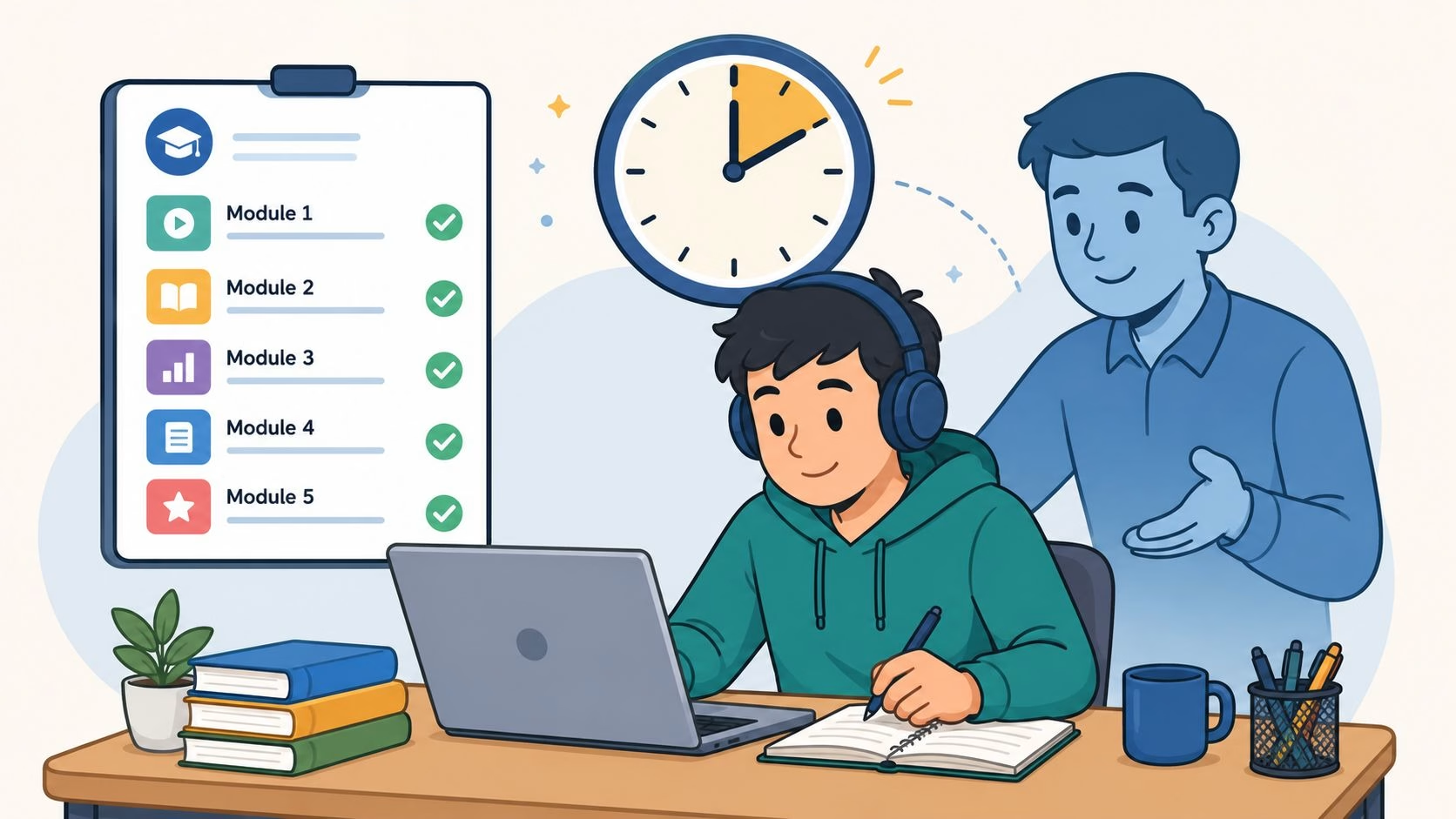
Driver education can provide the traffic-law foundation and structured safety instruction required for licensing in many states. Online options, including approved courses from floridanewdriver.com where available, can help families fit that preparation around school, work, and practice schedules. Always confirm the course and licensing requirements that apply in your state.
Frequently Asked Questions
What should a teen keep in the car?
A teen should keep proof of registration and insurance, emergency contacts, and basic emergency supplies. Add items for local weather, such as a blanket in cold climates.
How many practice hours does a teen need?
The required number depends on the state. Many states require supervised day and nighttime hours, so check the current licensing rules before tracking practice.
Should teens practice driving at night?
Yes, when they are ready and state rules allow it. Begin on familiar, well-lit roads with an experienced supervising driver.
Can a teen use navigation while driving?
Yes, but the route should be set before the vehicle moves. If navigation needs to be changed, pull over safely or let a passenger handle it.
What is the most useful rule for new drivers?
Leave more time than you think you need. Rushing makes speeding, distraction, and poor decisions more likely.
The best first-mile habit is simple: slow down early, look farther ahead, and give yourself room to make the safe choice.