Getting a traffic ticket can feel overwhelming, but you don’t have to face it alone. We at floridanewdriver.com know that understanding your options makes all the difference.
This guide gives you practical traffic citation advice to handle tickets confidently, whether you decide to pay, contest the citation, or explore traffic school options.
What Happens When You Get a Traffic Citation
Moving Violations Cost More Than the Fine
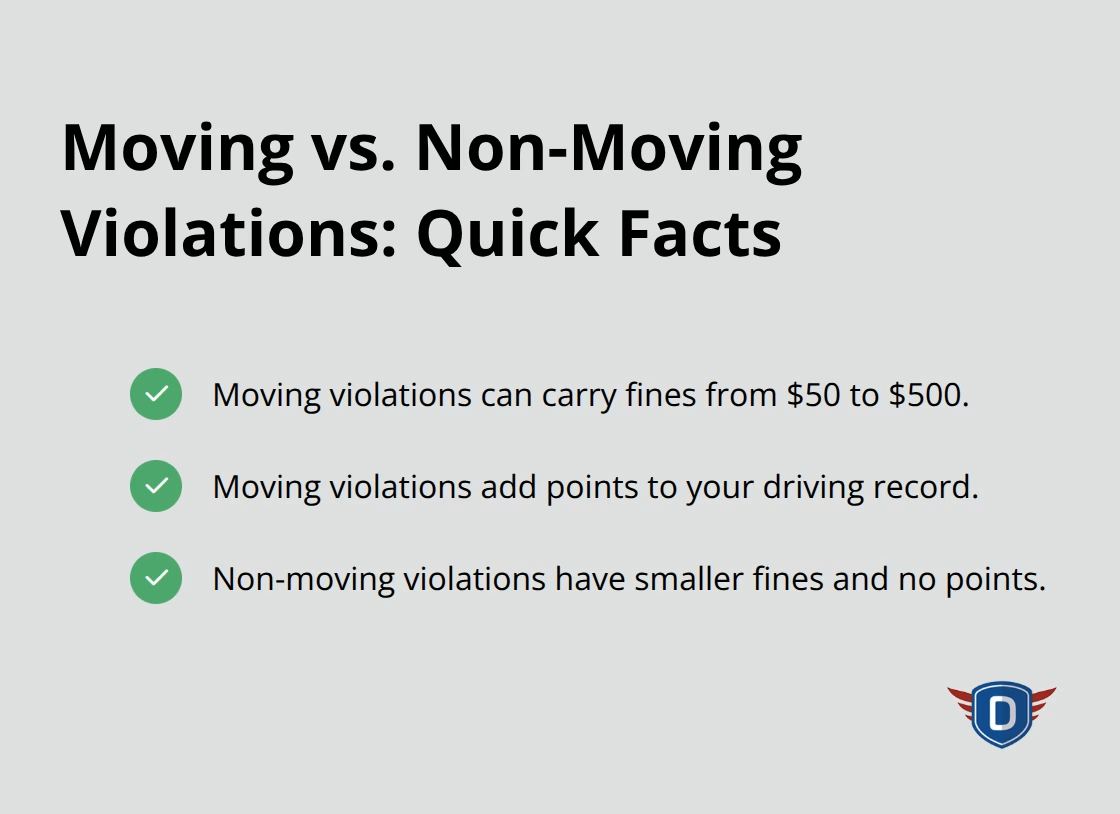
Traffic violations fall into distinct categories, and penalties vary significantly based on severity and your state’s laws. Moving violations like speeding, running a red light, or improper lane changes result in fines ranging from $50 to $500 and add points to your driving record. Non-moving violations such as expired registration or broken taillights carry smaller fines and no points.
In North Carolina, moving violations insurance premium increase through the Safe Driver Incentive Plan, which charges points for convictions and at-fault accidents. A single ticket costs you far more than the fine itself over the next three to seven years (the standard period points remain on your record). This reality makes exploring alternatives before paying absolutely essential.
How Points Damage Your Insurance and Driving Record
Points accumulate on your record and directly impact your insurance premiums. Each point on your record signals to insurers that you pose a higher risk, triggering automatic rate increases that compound over years. Your driving record follows you across state lines and affects your ability to maintain employment in certain industries.
Employers who conduct background checks see traffic violations, and commercial drivers face even stricter consequences. The longer points stay on your record, the more they cost you in cumulative insurance premiums. Understanding how the point system works helps you grasp why contesting a ticket or attending traffic school matters far more than the initial fine suggests.
You Have More Rights Than You Realize
Your legal rights when receiving a citation are more substantial than most drivers realize. You have the right to contest a ticket in court, request a trial by written declaration without attending in person in some jurisdictions, and challenge whether the officer has sufficient evidence to prove the violation beyond reasonable doubt. In many cases, you can negotiate with the prosecutor for a reduction to a non-moving violation like Improper Equipment, which carries no insurance points.
You also have the right to attend traffic school if eligible. Before paying or pleading guilty, gather your ticket details and driving history to make an informed decision. The critical mistake most drivers make is treating the citation as final when multiple pathways exist to minimize or eliminate its impact on your insurance and driving record.
The Immediate Steps That Protect Your Options
The moment you receive a citation, the steps you take immediately determine which options remain available to you. Paying the ticket immediately locks you into accepting full consequences, while waiting allows you to explore alternatives. Most jurisdictions give you 30 days or longer to respond, providing a window to consult with an attorney or research traffic school eligibility.
Document everything about the incident-the time, weather conditions, road markings, and the officer’s behavior. Review your citation for errors in your name, license number, vehicle information, or violation description, as mistakes can lead to dismissal. These steps cost nothing and take minimal time but significantly strengthen your position.
Understanding Your Three Main Options
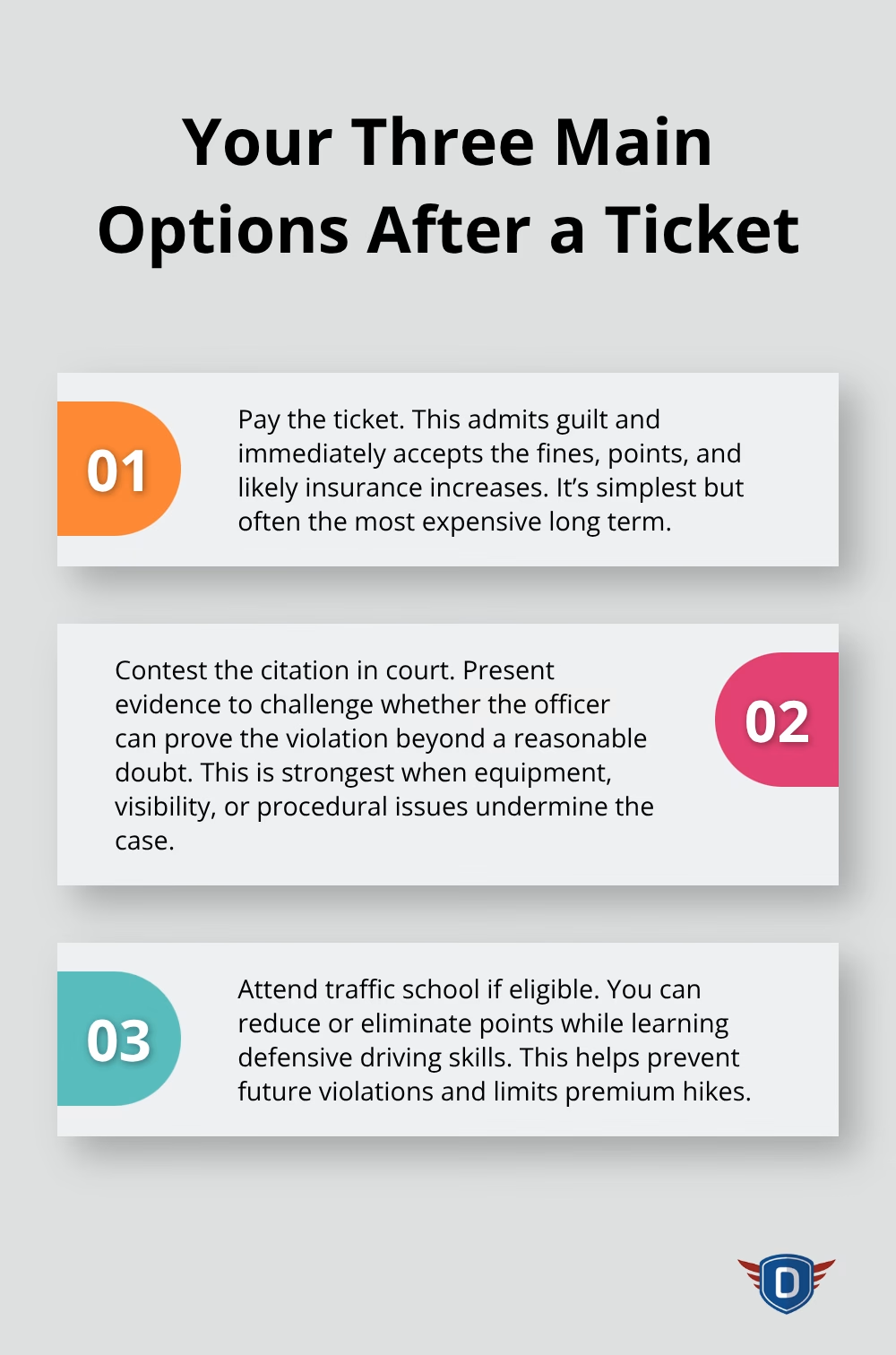
You can pay the ticket, contest it in court, or attend traffic school (if eligible in your state). Paying admits guilt and accepts all consequences immediately. Contesting the ticket requires presenting evidence that the officer cannot prove the violation beyond reasonable doubt. Traffic school, where available, allows you to reduce or eliminate points while learning defensive driving techniques that prevent future violations.
Each path carries different outcomes for your insurance, driving record, and wallet. The decision depends on the violation type, your driving history, and your state’s specific laws and court procedures.
What to Do Right Now With Your Traffic Citation
Act Within the First 24 Hours
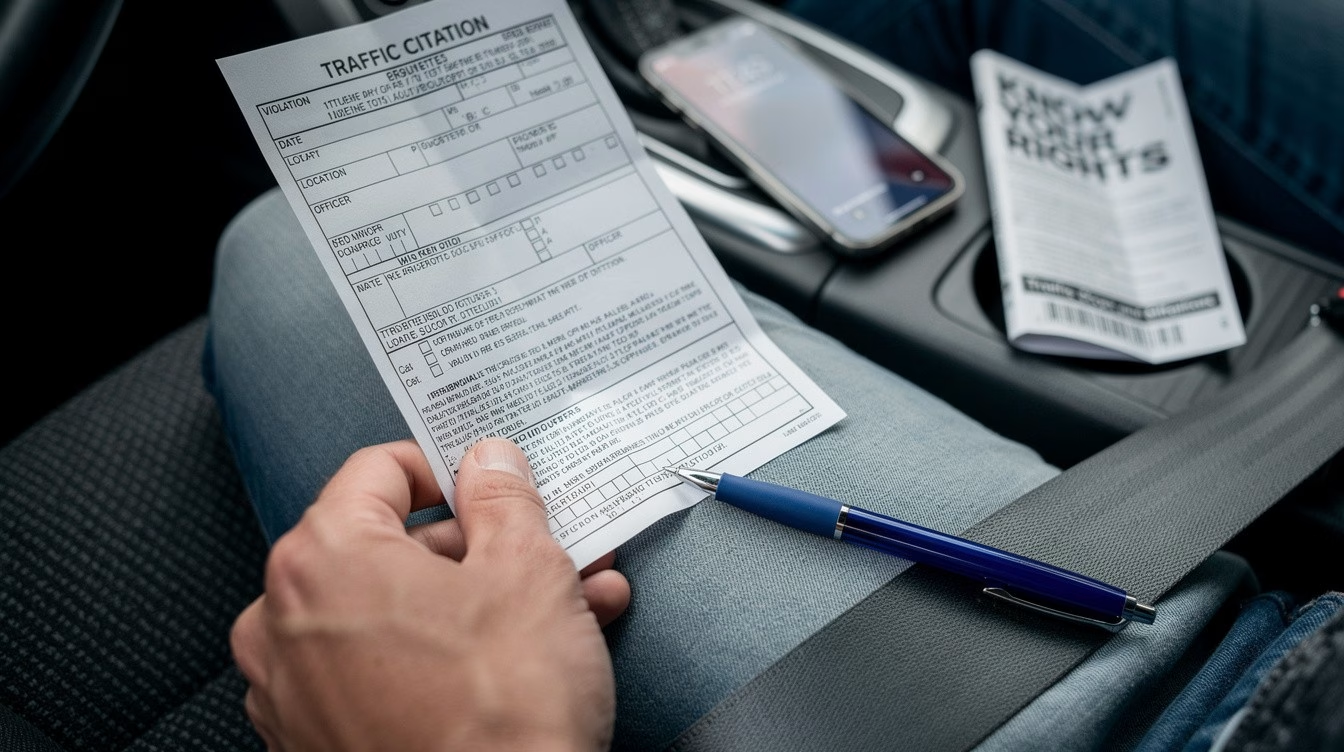
The first 24 hours after receiving a citation determine which options stay available to you. Most states give you 30 days or more to respond, but waiting until the deadline creates unnecessary pressure and limits your ability to gather evidence while details remain fresh. Start by photographing the ticket and writing down everything you remember about the stop-the exact location, weather conditions, road markings, visibility, and how the officer conducted the interaction.
Note the time of day, whether traffic was heavy, and whether the officer seemed rushed or thorough. This documentation becomes invaluable if you later decide to contest the citation.
Check Your Citation for Errors
Carefully review the citation itself for factual errors. Check your name, license number, vehicle information, and the violation description against your actual documents. Mistakes in these fields can result in dismissal, and courts take accuracy seriously.
If the officer wrote the wrong license plate, misspelled your name, or listed an incorrect violation code, you have grounds for immediate challenge. Even minor errors strengthen your position if you decide to contest.
Evaluate Your Realistic Options
Your violation type and driving history shape which path makes sense. If you received a moving violation in a state with strict point systems, paying the ticket immediately locks in those consequences for three to seven years.
Contesting makes sense when the officer’s evidence appears weak-for example, if you were cited for speeding but the officer’s radar gun was positioned poorly or traffic conditions made accurate measurement difficult. Traffic school eligibility depends on your state and the violation type; many states allow traffic school for minor moving violations but not for serious offenses like reckless driving or DUI.
Confirm Your Court’s Specific Procedures
Call your local court directly to confirm eligibility and deadlines rather than relying on online information, as procedures vary significantly by jurisdiction. Some courts offer trial by written declaration, which means you submit evidence and statements without attending in person, while others require your physical presence.
Before paying anything, contact a local traffic attorney for a free consultation-most offer this without obligation.
Negotiate Before You Pay
An attorney familiar with your specific court and county can often negotiate moving violations to non-moving violations like defective equipment, which avoids points entirely and minimizes insurance impact. This negotiation step separates drivers who minimize damage from those who accept full consequences unnecessarily. Your next move depends on whether you choose to handle this alone or bring in professional representation to fight the citation in court.
Should You Fight Your Traffic Citation in Court
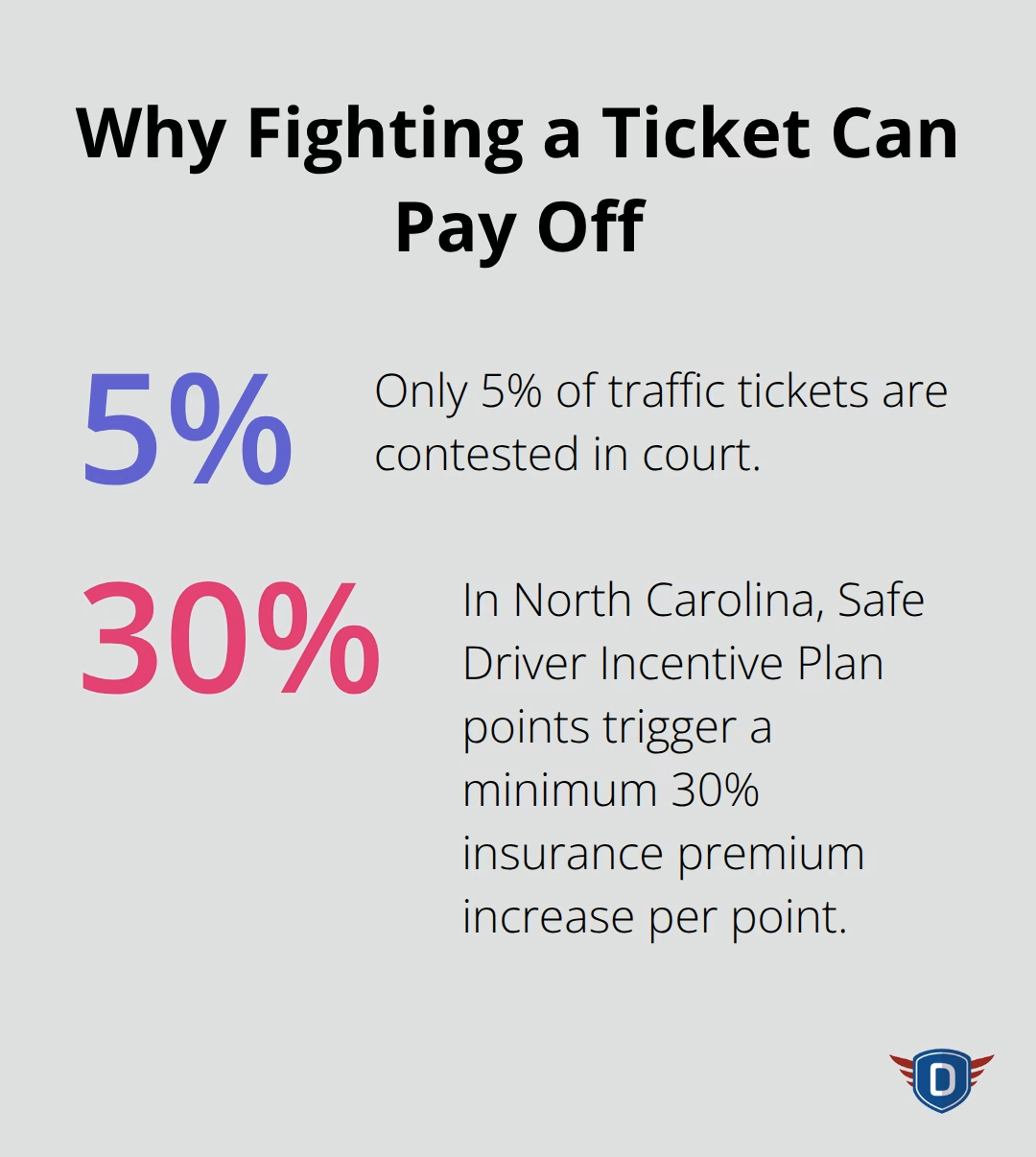
Contesting a traffic citation makes financial sense in specific situations, and you need to evaluate whether your case has genuine merit before investing time and resources. The decision hinges on three factors: the strength of the officer’s evidence, your driving history, and the violation’s severity. If the officer made procedural errors, failed to calibrate radar or laser equipment properly, or positioned themselves where visibility was compromised, you have grounds to challenge the ticket. Drivers with clean records who received one minor violation often see better negotiation outcomes than repeat offenders, so your history matters when prosecutors evaluate reduction offers. Only 5% of traffic tickets are contested in court. If you received a moving violation in a state like North Carolina where Safe Driver Incentive Plan points trigger 30 percent minimum insurance increases per point, contesting becomes mathematically worthwhile even if success isn’t guaranteed. Contact your local court clerk to confirm whether your jurisdiction allows trial by written declaration, which eliminates the need to appear in person and costs nothing extra compared to an in-person hearing.
Evidence That Wins Cases
Objective documentation that contradicts the officer’s account matters far more than your word against theirs. Photograph the citation location, including road markings, visibility conditions, and any signage relevant to the violation, then compare these photos to what the officer described in the citation. If you were cited for speeding, request the officer’s radar or laser gun maintenance records through a public records request, as improperly calibrated equipment provides legitimate grounds for dismissal.
Dash cam footage that captures the violation is powerful evidence, but absence of footage doesn’t eliminate your defense. Weather conditions, traffic density, and vehicle positioning matter in speeding cases, so document these details immediately after receiving the ticket while your memory is accurate. Witness statements carry weight only if witnesses can speak to facts directly observed, not assumptions or opinions. If a passenger was present during the stop, their account of what occurred strengthens your position. Many courts now accept written witness statements submitted before the hearing, so you don’t need witnesses present in person.
What Happens During the Hearing
Prepare a concise, fact-based presentation that addresses the specific violation charged rather than general arguments about fairness. The officer presents their evidence first, typically describing how they detected the violation and what they observed. Your opportunity comes next, and you should focus on gaps or inconsistencies in their account supported by your documentation.
In trial by written declaration, you submit your evidence and statement in advance, the officer submits their response, and the judge decides based on written materials alone. In-person hearings allow you to ask the officer questions after they testify, which sometimes reveals equipment issues, visibility problems, or procedural mistakes. Judges expect professional demeanor and specific factual challenges, not emotional arguments or complaints about the citation process.
Preparing for Your Court Appearance
Bring copies of all documentation, arrive early, and address the judge respectfully. Present your case in a logical sequence that mirrors how the violation occurred, then explain why the officer’s evidence fails to prove guilt beyond reasonable doubt. If the judge rules against you, understand that most jurisdictions allow appeals, though the process varies by location and typically requires attorney representation for serious violations.
Final Thoughts
Traffic citation advice comes down to one principle: act fast and understand your options before accepting consequences you can minimize. The first 24 hours after receiving a ticket determine which paths remain available to you, and paying immediately locks in points, fines, and insurance increases that compound over three to seven years. Contesting requires evidence and effort but can result in dismissal or reduction to non-moving violations that protect your record, while traffic school reduces or eliminates points and teaches defensive driving techniques that prevent future violations.
Your driving record affects far more than insurance premiums-employers see violations during background checks, and commercial drivers face stricter penalties. Points accumulate quickly, and each one triggers automatic rate increases that persist long after you’ve forgotten the original ticket. In states like North Carolina, the Safe Driver Incentive Plan charges minimum 30 percent premium increases per point, making the financial case for contesting or attending traffic school mathematically clear.
Contact your local court to confirm procedures and deadlines specific to your jurisdiction before paying anything. Many courts allow trial by written declaration, which eliminates the need to appear in person, and free consultations with local traffic attorneys reveal negotiation options you wouldn’t discover alone. We at floridanewdriver.com offer approved traffic school programs that help you reduce points, meet court requirements, and qualify for insurance discounts through comprehensive courses covering defensive driving and safe decision-making.