Traffic signs are the language of the road, and misunderstanding them puts you at risk. Every symbol, color, and shape carries specific meaning that directly affects your safety and the safety of others around you.
At floridanewdriver.com, we’ve created this guide to break down traffic sign meanings into three clear categories: regulatory signs that set rules, warning signs that alert you to hazards, and guide signs that help you navigate. Knowing what each sign means transforms you from a confused driver into a confident one.
How Regulatory Signs Control Traffic Flow
Stop Signs and Yield Signs: The Foundation of Intersection Safety
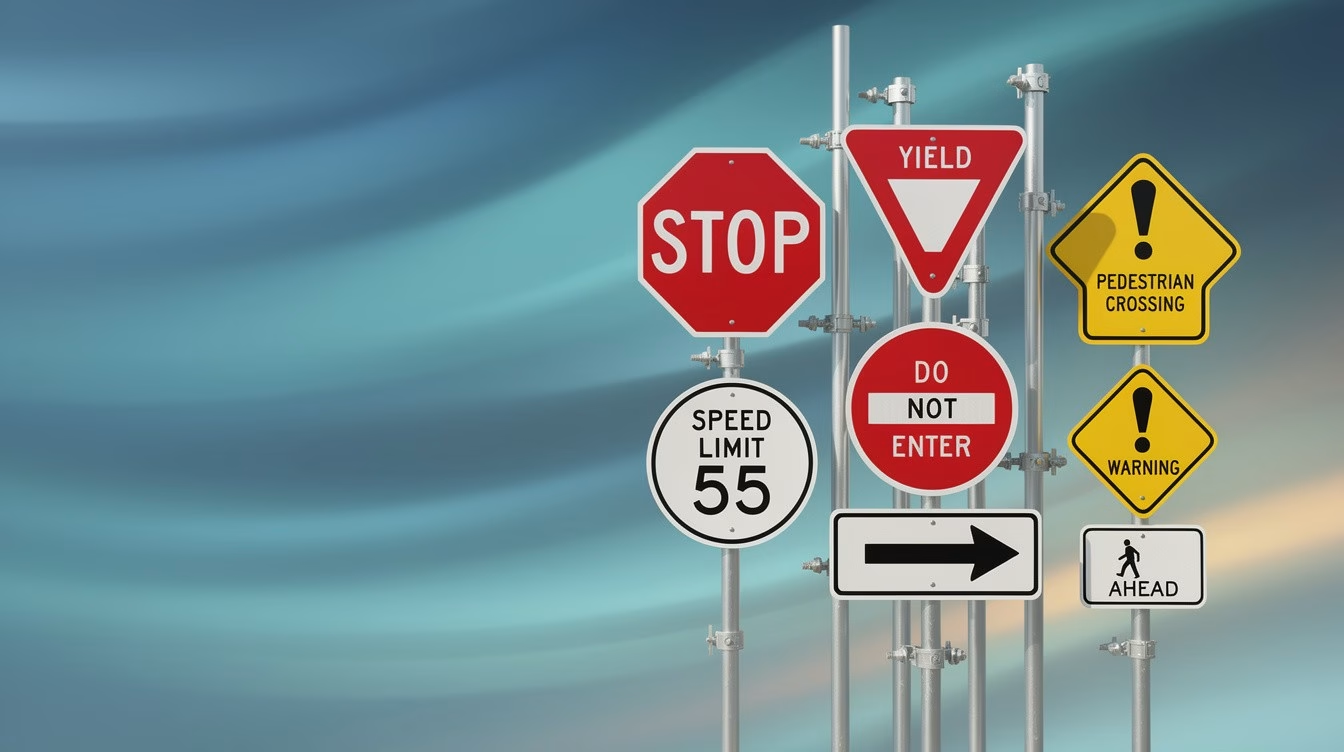
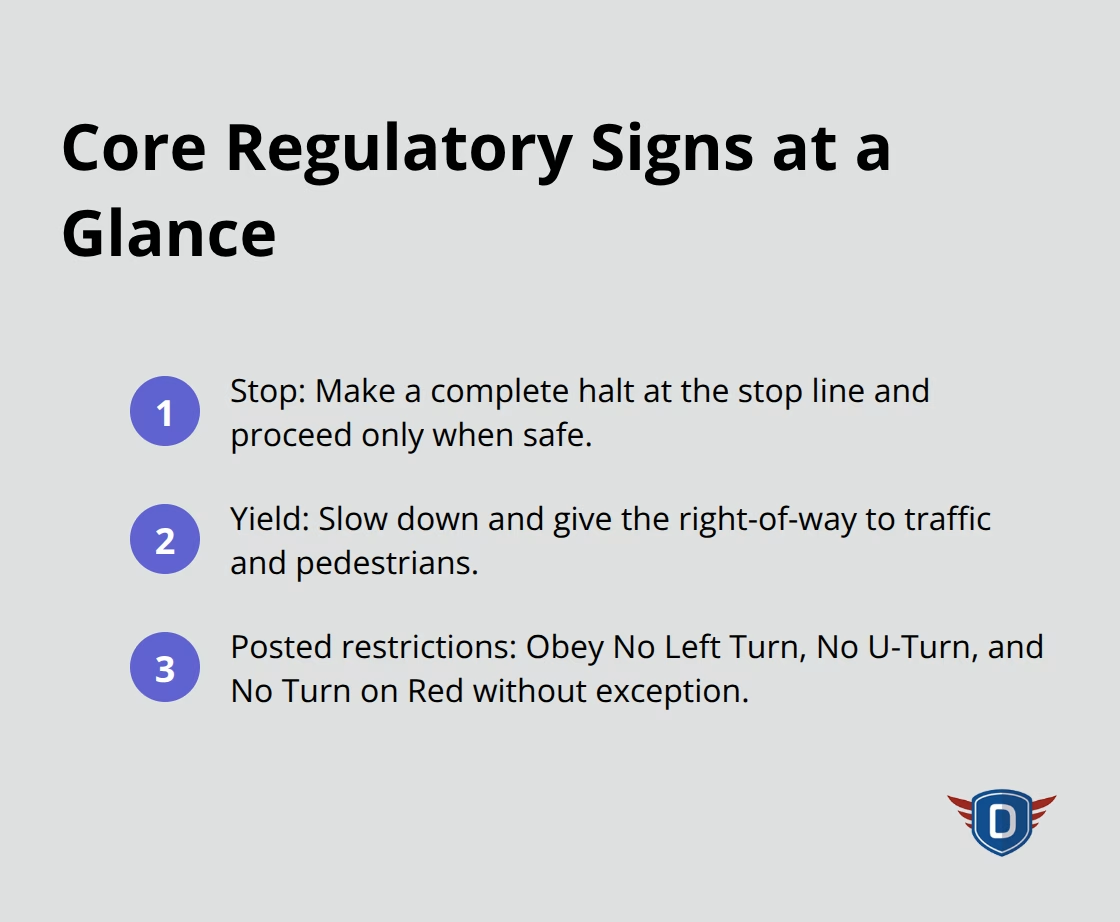
Regulatory signs are non-negotiable. They establish hard rules about what you must do, must not do, and when you can proceed. The Manual on Uniform Traffic Control Devices (MUTCD) standardizes these signs across the United States, though individual states add supplements. Stop signs demand a complete halt at the stop line before you enter an intersection, and you proceed only when it’s safe. Yield signs require you to slow down and give the right-of-way to other traffic and pedestrians before entering. The difference matters: stop means stop; yield means assess and proceed if safe.
Speed Limits and Posted Restrictions
Speed limit signs appear as white rectangles and set the maximum legal speed for that road section. Ignoring them costs you points on a driving test and money in fines. Posted restriction signs like No Left Turn, No U-Turn, and No Turn on Red are absolute prohibitions.
No U-Turn signs are frequently misunderstood; drivers assume they can make a U-turn at a wide intersection, but the sign forbids it entirely, forcing you to find a legal alternative route. The New York State Department of Motor Vehicles reports that failing to obey regulatory signs results in test point deductions and can cause an outright test failure.
One-Way and Do Not Enter Signs: Direction Control
One-Way signs and Do Not Enter signs control traffic direction. Do Not Enter signs appear as red circles with white bars and mean exactly that: do not enter from that direction. Violating this is one of the most dangerous mistakes a driver can make because you’re heading into oncoming traffic. One-Way signs use white arrows on black rectangles to show the only legal direction of travel. At uncontrolled intersections without signals, right-of-way rules apply: the first vehicle to arrive has priority, and when two vehicles arrive simultaneously, the vehicle on the right has the right-of-way (a rule that applies across most states). Never assume other drivers will yield to you; take responsibility for ensuring you can enter an intersection safely. Understanding these regulatory signs prepares you to handle the warning signs that alert you to hazards ahead.
Warning Signs That Alert Drivers to Hazards
Warning signs demand your attention because they announce hazards ahead. These yellow diamond-shaped signs, standardized by the Manual on Uniform Traffic Control Devices, tell you to slow down and prepare for changing road conditions. Unlike regulatory signs that command absolute compliance, warning signs ask you to assess the situation and adjust your driving.
Weather-Related Warning Signs
Weather warnings require immediate action. Slippery When Wet signs mean you must reduce speed and increase following distance because wet pavement reduces tire grip significantly. The New York State Department of Motor Vehicles advises drivers to lower their speed and maintain extra space between vehicles when conditions deteriorate.
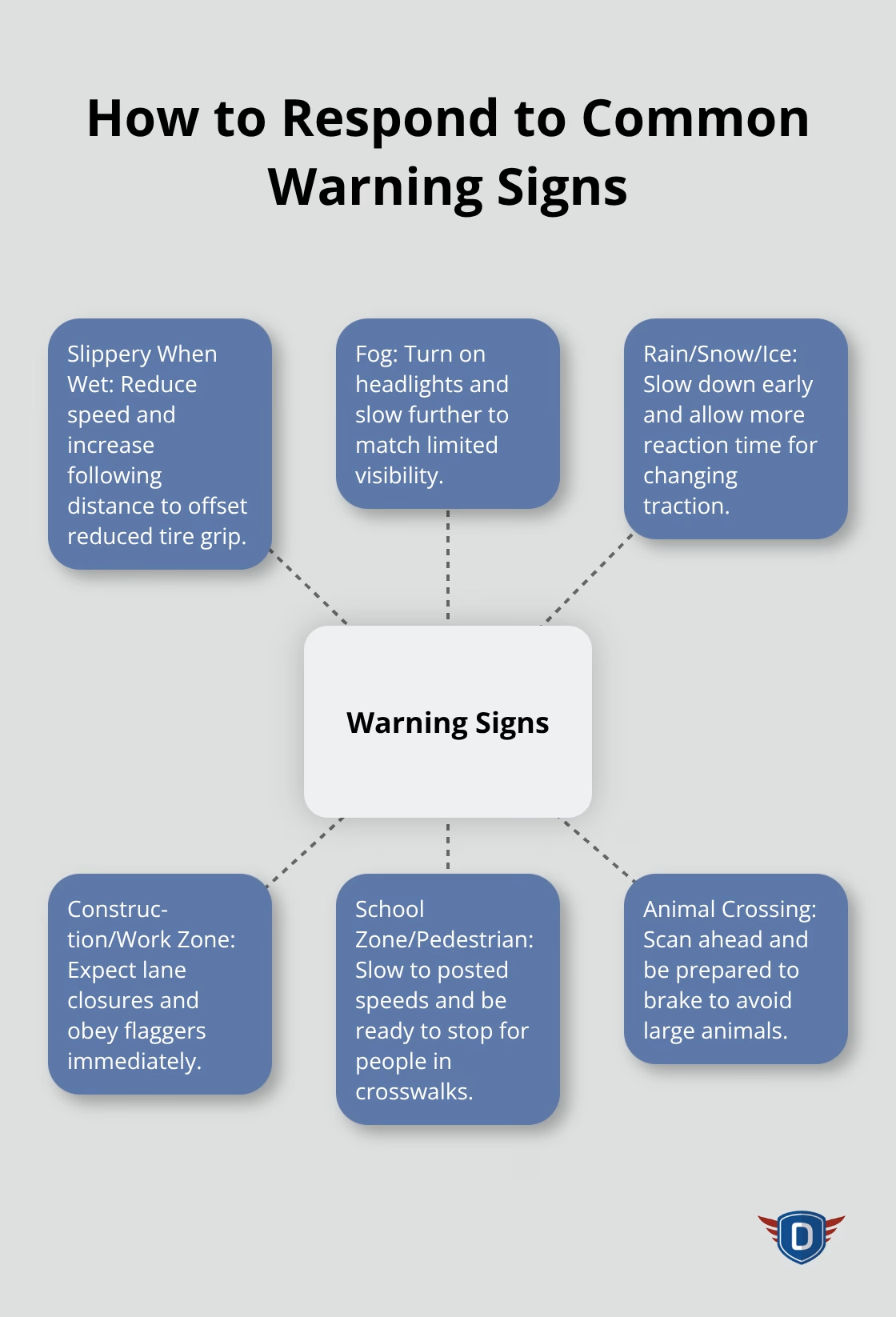
Fog warnings indicate compromised visibility, so you must use headlights and reduce speed further. Rain, snow, and ice warnings all point to the same action: slow down and increase your reaction time. These signs appear before conditions worsen, giving you time to adjust before danger strikes.
Road Condition and Construction Hazards
Road condition signs alert you to physical changes in the road itself. Rough Pavement, Soft Shoulder, and Narrow Bridge signs each demand specific responses. A soft shoulder sign means the shoulder is unstable and can cause your vehicle to lose control if you drift onto it, so you must stay on pavement at all costs. Narrow Bridge signs require you to check your vehicle width before proceeding, especially if you drive a large truck or RV. Construction and work zone signs demand your strictest attention because workers are present and lane closures are active. If a flagger directs traffic with STOP or SLOW signs, you must obey them immediately, even if your GPS or traffic signals suggest otherwise.
Animal Crossing and Pedestrian Warnings
Animal crossing warnings, particularly Deer Crossing signs, are not suggestions to slow down slightly; they alert you to potential collision with large animals that can total your vehicle. Collisions with deer happen most frequently between October and December in North America, and hitting a deer at highway speed often results in serious injury or death. Pedestrian crossing warnings appear near schools and residential areas where children move unpredictably. School zone signs, marked with a five-sided shape, require you to slow to posted speeds and stop for children in crosswalks, no exceptions. These warnings protect the most vulnerable road users and demand your full concentration.
Guide signs now take over where warning signs leave off, providing the directional information you need to navigate unfamiliar roads with confidence.
Guide Signs Help You Navigate Unfamiliar Roads
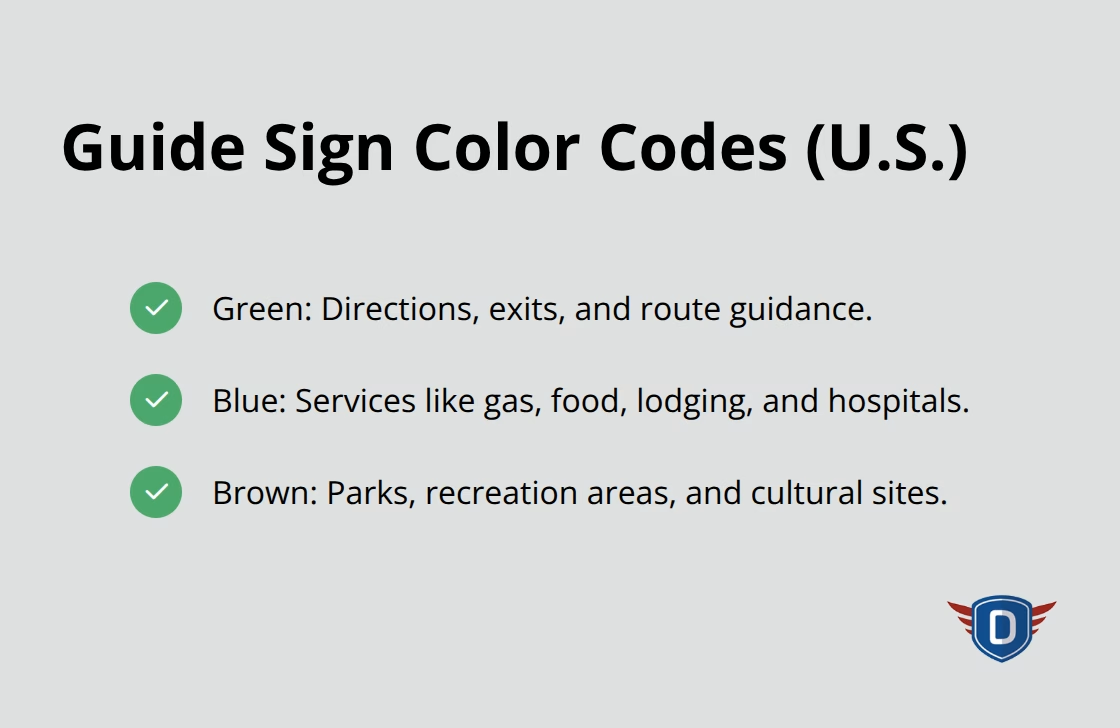
Guide signs serve as your navigation partners on unfamiliar roads. Unlike regulatory signs that command action and warning signs that alert you to hazards, guide signs provide directional information, distances, and facility locations that help you reach your destination without confusion. These signs use green backgrounds for directions, blue for services, and brown for recreation areas. The Manual on Uniform Traffic Control Devices standardizes these colors across all U.S. states, so you can interpret them consistently whether you’re driving in Florida, California, or Maine.
Exit Signs and Route Markers
Exit signs appear on highways and show upcoming exit numbers and route names, allowing you to plan lane changes well in advance rather than swerving across traffic at the last moment. Route markers with shields identify interstate numbers, U.S. routes, and state routes, making it easy to confirm you’re on the correct road. Distance signs tell you how many miles remain to major cities or intersections, helping you estimate travel time and decide when to refuel or rest. When you approach an unfamiliar city, these signs give you the confidence to navigate without constantly checking your phone, which reduces distraction and keeps your focus on the road.
Service Signs Point You Toward Essential Facilities
Service signs direct you toward gas stations, restaurants, hospitals, and lodging. These blue rectangular signs appear before you need them, giving you time to prepare for exits and plan your route. Hospital signs with the letter H alert you to nearby medical facilities, which matters if you need emergency services or have a passenger requiring immediate care. Rest area signs indicate where you can safely stop to stretch, use facilities, or check your vehicle.
Destination Signs Confirm Your Progress
Destination signs confirm your progress toward your target location by displaying street names, landmarks, or final destination distances. When you see a sign confirming your route is correct, it eliminates second-guessing and reduces the stress of driving in unfamiliar territory. Exit confirmations prevent you from missing your turn and having to backtrack miles out of your way. Service and destination signs work together to create a clear mental map of the road ahead, transforming navigation from stressful guesswork into straightforward execution.
Final Thoughts
Traffic sign meanings form the foundation of safe driving, and understanding what each sign demands eliminates confusion at critical moments. When you recognize regulatory signs that command your actions, warning signs that alert you to hazards, and guide signs that help you navigate, you make split-second decisions with confidence. Ignoring or misinterpreting even one sign can lead to collisions, fines, or worse.
Regular review of traffic signs strengthens your ability to recognize them instantly, even in poor visibility or high-stress situations. The more you study these symbols, the more automatic your responses become. Drivers who regularly refresh their knowledge of traffic sign meanings report fewer near-misses and greater confidence when driving in unfamiliar areas.
At floridanewdriver.com, we understand that driver education extends far beyond passing a licensing exam, and our Florida-approved traffic school programs teach drivers not just what the rules are but why they matter. We focus on helping drivers adopt lifelong safe driving habits through clear explanations, real-life scenarios, and personalized guidance from certified instructors. Whether you’re a new driver learning the basics or an experienced driver refreshing your knowledge, floridanewdriver.com provides the resources you need to stay safe and confident on every drive.