Getting a driver’s license is one of the biggest teen permit milestones. But passing the test is just the beginning-your teen needs real skills behind the wheel before they’re truly ready.
We at floridanewdriver.com know that knowing how to operate a vehicle is different from knowing how to drive safely. This guide covers the essential abilities every new driver must master: vehicle control, traffic laws, and defensive driving techniques.
Mastering Your Vehicle’s Controls and Safety Features
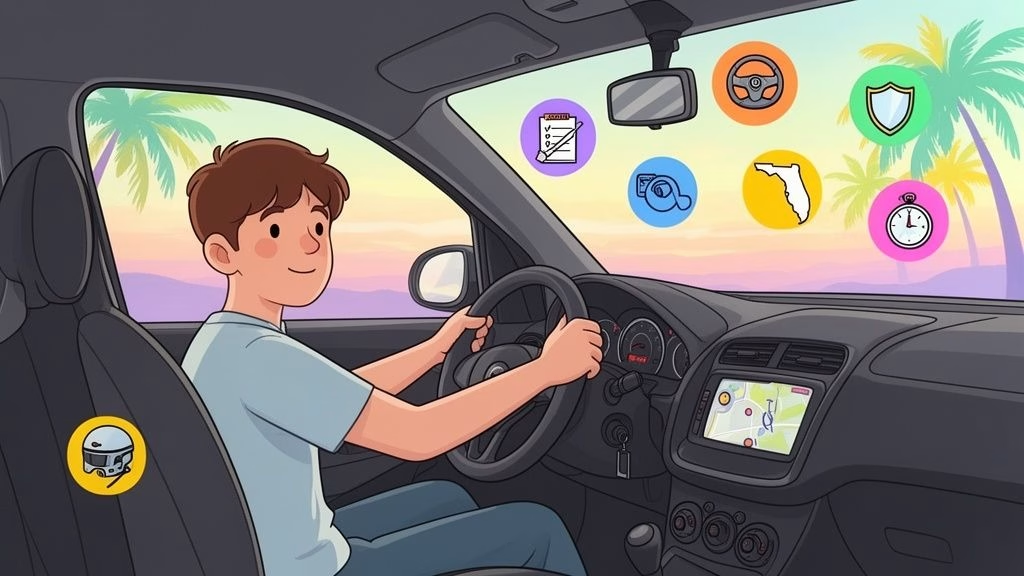
Your teen needs hands-on familiarity with the car before merging into traffic or navigating intersections. Start with a complete vehicle tour in a parked car, covering every control they’ll use while driving. Have them adjust the seat forward and backward until they can reach the pedals comfortably, then adjust the mirrors to minimize blind spots. The side mirrors should show a sliver of the car’s body on the inside edge, and the rearview mirror should frame the rear window clearly. Next, locate and practice using the turn signals, headlights, windshield wipers, climate controls, parking brake, and steering wheel. Many new drivers panic during their first drive because they can’t find the wipers or don’t know how to turn on the headlights. Spend time explaining dashboard indicators too-the fuel gauge, temperature warning light, check-engine light, and battery symbol. When the fuel light comes on, most cars have about 2 gallons remaining, so your teen should know they have roughly 30 to 50 miles to reach a gas station depending on the vehicle’s fuel efficiency.
Building Muscle Memory for Smooth Control
Once your teen understands the controls, move to an empty parking lot for at least three to five practice sessions before touching a real road. This is where they develop the feel for the gas and brake pedals without traffic pressure. Start with straight driving at very low speeds, focusing on smooth acceleration and gentle braking. Many teens press the pedals too hard initially, jerking the car forward or stopping abruptly. Teach them to use gradual pressure and understand that the gas pedal controls engine power, not just speed.
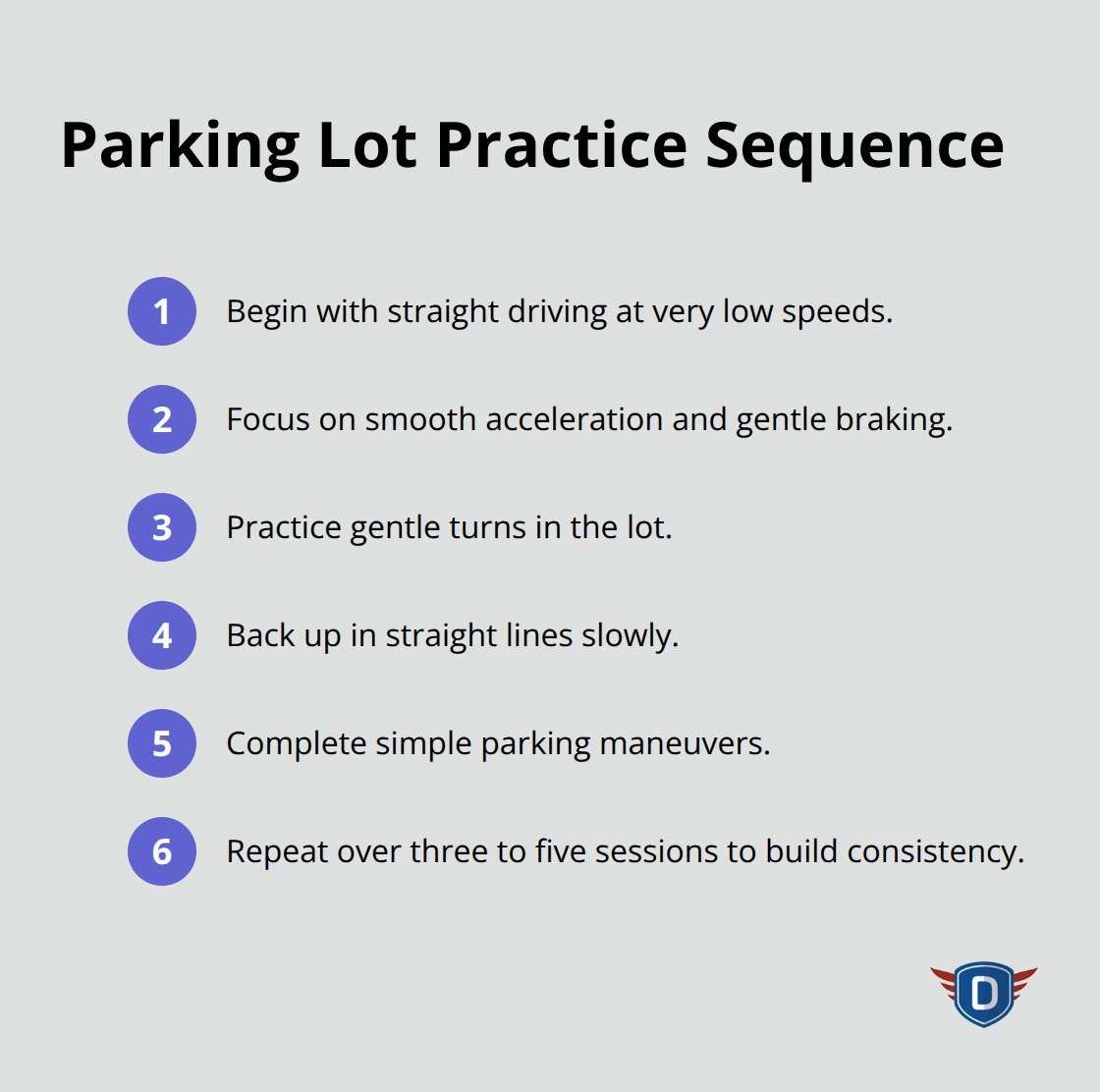
After mastering straight lines, practice gentle turns in the parking lot, then back up and complete simple parking maneuvers. These fundamentals prevent bad habits from forming and build the confidence your teen needs before facing real-world driving. According to the CDC, approximately 1 in 5 sixteen-year-olds has an accident in their first year of driving, and inexperience is a leading cause. Competence with basic vehicle controls reduces panic and reaction time when hazards appear.
Mirrors and Blind Spots Save Lives
Proper mirror use is non-negotiable because it directly affects your teen’s ability to spot other vehicles. Have them check mirrors every 5 to 8 seconds while driving, not just before turning or changing lanes. The left side mirror shows traffic approaching from behind on the left; the right side mirror covers the right rear area; the rearview mirror shows vehicles directly behind. However, all three mirrors have blind spots-areas not visible in any mirror where other cars can hide. Your teen must physically turn their head to check the blind spot on the side they’re turning toward before making any lane change or turn. This habit takes practice to automate, but it’s essential because relying on mirrors alone leads to collisions. Make this a strict rule during every practice session: mirror check, then head turn, then move. No exceptions. This deliberate sequence becomes muscle memory and keeps your teen from assuming the road is clear based on mirror views alone.
Understanding Dashboard Indicators
Dashboard indicators communicate your vehicle’s status and alert drivers to problems before they become dangerous. Your teen should recognize the fuel gauge and plan refueling before the tank runs low. The temperature warning light signals engine overheating, which requires pulling over immediately. The check-engine light indicates a mechanical issue that needs professional attention soon, though it’s not always an emergency. The battery symbol warns of charging system problems. Oil pressure lights, brake system warnings, and airbag indicators all demand attention. Teach your teen to consult the owner’s manual for any unfamiliar warning light and to never ignore persistent alerts. Understanding these signals prevents breakdowns and keeps the vehicle safe for the road.
Steering Wheel and Pedal Coordination
Smooth steering, braking, and acceleration work together to control the vehicle safely. Your teen should grip the steering wheel at the 9 and 3 o’clock positions (or 8 and 4 for smaller hands) to maintain control without tension. Smooth steering inputs prevent jerky movements that unsettle passengers and reduce traction. The brake pedal requires firm but gradual pressure; sudden hard braking can lock wheels or trigger skids. The gas pedal demands gentle modulation-small adjustments maintain steady speed better than aggressive pressing. Practice these skills in the parking lot until your teen operates all three controls without thinking about them. Once these fundamentals become automatic, your teen is ready to apply them in real traffic situations where attention must focus on hazards and road conditions rather than basic vehicle operation.
Traffic Laws and Road Signs
Florida law sets specific speed limits that vary by road type, and your teen must treat these limits as the maximum safe speed, not a target. Residential areas allow 25 mph, urban roads typically permit 35 mph, and highways range from 55 to 70 mph depending on the route. The CDC reports that speed reduces reaction time and increases crash severity. Your teen should understand that posted limits assume ideal conditions; rain, fog, or heavy traffic demand slower speeds regardless of the sign.
Speed Limits and Safe Driving Conditions
Florida traffic regulations require headlights from sunset to sunrise and anytime visibility drops below 500 feet. Your teen needs to activate headlights automatically during these periods without waiting for darkness to become complete. Speed limits protect drivers only when conditions support safe travel at that speed. A 55 mph highway limit becomes unsafe during a thunderstorm or heavy fog, so your teen must adjust speed to match road and weather conditions rather than blindly following posted signs.
Road Signs and Pavement Markings
Your teen should recognize common road signs by shape and color: red octagons mean stop, yellow diamonds warn of hazards ahead, white rectangles provide regulatory information, and green signs indicate directions or distance. Pavement markings communicate lane boundaries and traffic flow; solid white lines separate lanes in the same direction and should not be crossed, while dashed white lines allow lane changes when safe. Yellow lines divide opposite directions of traffic, and a solid yellow line on your teen’s side means no passing. These visual systems exist because drivers need split-second information to navigate safely.
Right-of-Way Rules at Intersections
At four-way stop intersections, the first vehicle to arrive proceeds first; if two vehicles arrive simultaneously, the one on the right has priority. At a two-way stop, the vehicle on the main road proceeds before side-street traffic. Your teen must make eye contact with other drivers and pedestrians before proceeding through intersections because assumptions about right-of-way cause crashes. Right-of-way rules exist to prevent collisions, not to grant permission to proceed unsafely.
When turning left, your teen must yield to oncoming traffic, pedestrians crossing in their path, and bicycles. When turning right on red, Florida law permits this after a complete stop, but only if no pedestrians or vehicles are in the intersection. These rules demand active decision-making, not passive rule-following.
Distraction, School Zones, and Emergency Vehicles
Distracted driving-texting, eating, or adjusting controls-is illegal for drivers under 18 in Florida and directly contributes to the 3,500 lives lost annually to distraction according to the National Highway Traffic Safety Administration. Your teen must keep their phone out of reach and avoid eating or fiddling with the radio while driving. School zones demand reduced speed (typically 20 mph when lights flash) and heightened attention because children are unpredictable. Emergency vehicles with lights and sirens have absolute right-of-way; your teen must pull to the right, stop, and remain stopped until the vehicle passes. These rules aren’t arbitrary-they’re based on crash data and traffic engineering designed to keep everyone safe.
Understanding traffic laws transforms your teen from someone who simply memorizes rules into a driver who recognizes why each rule exists. This foundation prepares them to handle the real challenge: defensive driving techniques that anticipate hazards before they become emergencies.
Defensive Driving: How Your Teen Spots Danger Before It Happens
Scanning Ahead Saves Lives
Defensive driving separates competent operators from genuinely safe drivers. Your teen must scan the road 5 to 8 seconds ahead, not just react to what’s directly in front of the windshield. This forward vision allows time to adjust speed or position before hazards demand emergency maneuvers. Your teen should identify potential problems: a parked car with brake lights that might reverse into traffic, a pedestrian stepping toward the curb, a truck signaling a lane change, or wet pavement indicating recent rain. The three-second following distance rule applies in normal conditions-your teen should stay three seconds behind the vehicle ahead by counting the time gap. In rain, fog, or at night, this distance must increase to at least six seconds because stopping power decreases and visibility shrinks.
Speed Control Determines Crash Severity
Speed directly affects reaction time and crash severity, so your teen must adjust speed when conditions deteriorate. Driving faster than 50 mph increases fuel costs significantly-every 5 mph over 50 mph adds roughly 30 cents per gallon-but more importantly, it reduces the time available to recognize and respond to hazards. A 35 mph crash in residential areas causes far less damage than a 55 mph collision on a highway, making speed control a fundamental survival skill. According to the CDC, teen drivers ages 16�19 have a higher crash risk than any other age group, and excessive speed is a primary factor. Your teen should maintain steady speeds that match road conditions, not just posted limits.
Eliminating Distractions Protects Everyone
Distracted driving kills roughly 3,500 people annually according to the National Highway Traffic Safety Administration, and your teen must treat phone use as completely off-limits while driving. Texting while driving increases crash risk about 23 times compared to focused driving, making it one of the most dangerous distractions. The phone should stay in the glove compartment or back seat, not on the dashboard or in a cup holder where it tempts attention. Eating, adjusting the radio, or fiddling with climate controls also fractures focus at critical moments. Your teen should eat before driving and set climate controls before moving.
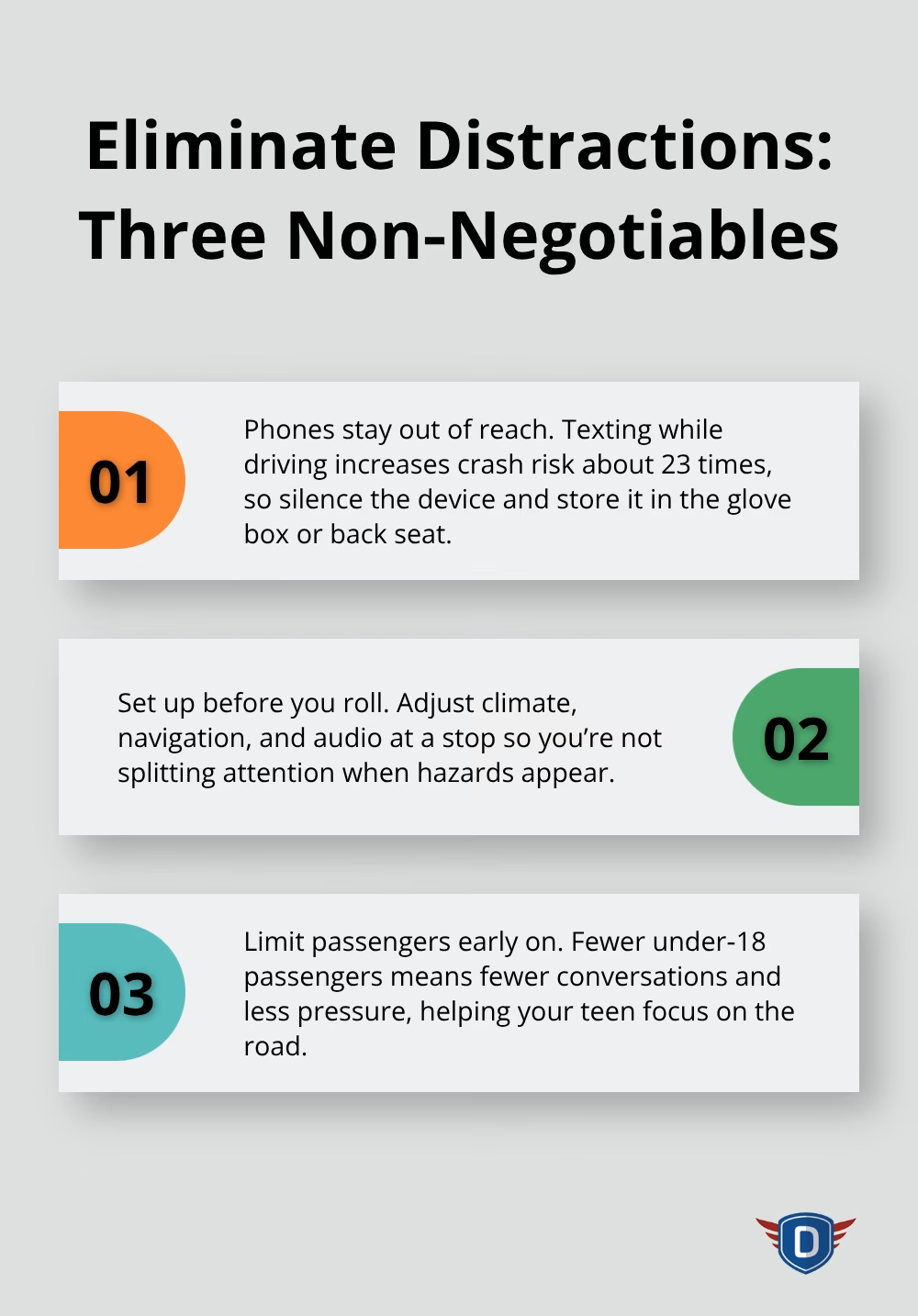
Passengers under 18 in the car with your teen increase crash risk significantly, so establish firm limits on passenger numbers during early driving months.
Impaired Driving and Fatigue Destroy Judgment
Impaired driving-whether from alcohol, marijuana, or fatigue-destroys judgment and reaction time. Your teen must understand that one drink affects driving ability, and driving after 10 p.m. when fatigued is as dangerous as driving impaired. Make it clear that calling for a ride is always the right choice, without consequences, if your teen feels unsafe driving. These rules aren’t restrictions meant to limit freedom; they’re survival strategies based on crash data and traffic science. Your teen’s job while driving is to drive-nothing else.
Final Thoughts
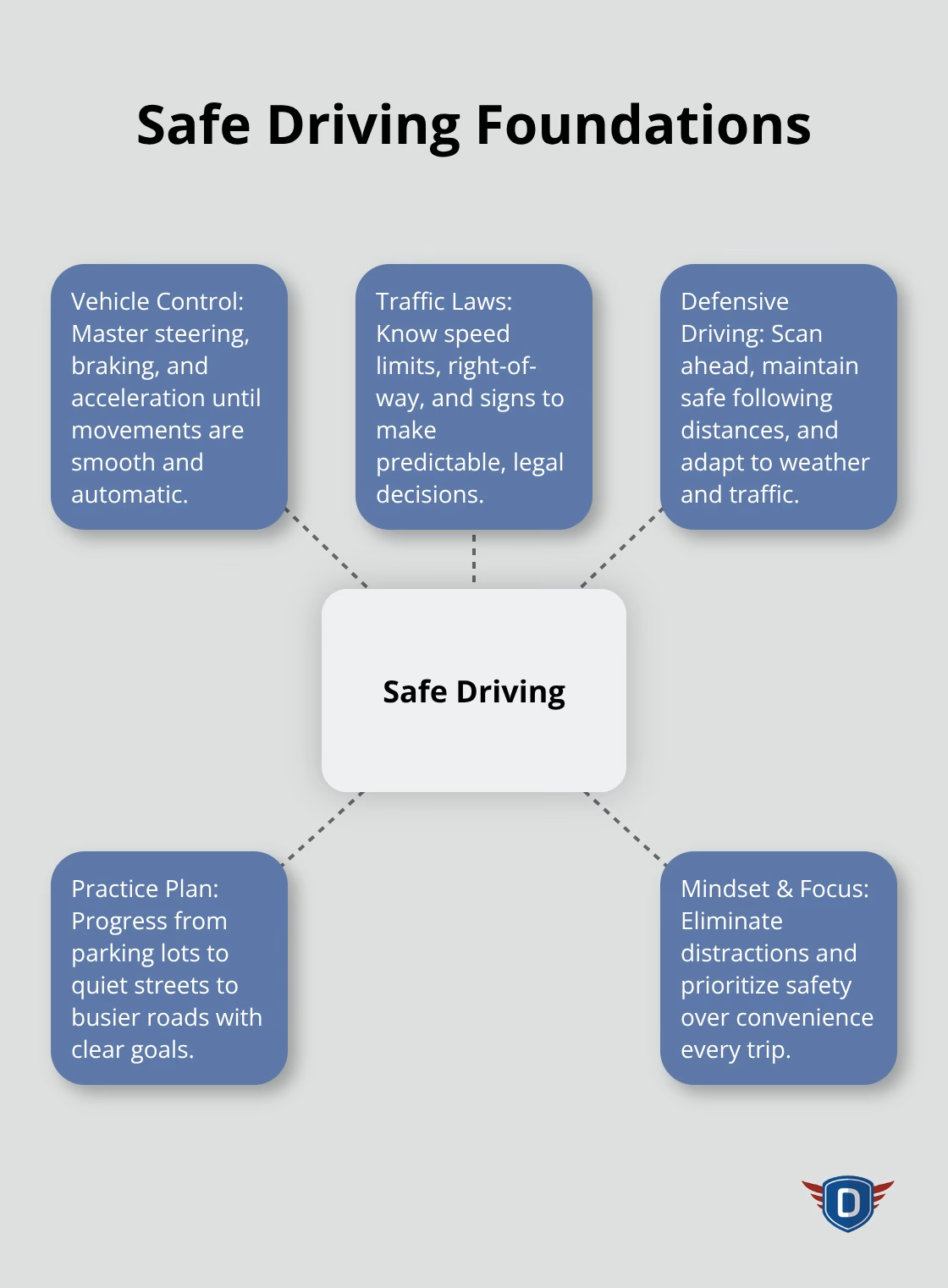
Your teen has now mastered the three pillars of safe driving: vehicle control, traffic laws, and defensive techniques. These teen permit milestones transform nervous first drives into confident, competent journeys where your teen operates the car smoothly, makes sound decisions at intersections, and spots hazards before they become emergencies. Vehicle familiarity eliminates panic, understanding traffic laws removes guesswork, and defensive driving habits keep your teen alert to danger.
Professional instruction accelerates this development significantly. Certified instructors provide structured practice in real traffic, immediate feedback on mistakes, and exposure to scenarios your home practice might miss. They teach your teen not just how to operate a vehicle, but how to think like a safe driver. floridanewdriver.com offers Florida-approved programs that combine clear instruction with real-life scenarios, helping teens adopt lifelong safe driving habits alongside technical competence.
Establish a practice schedule that progresses gradually from parking lots to quiet streets to busier roads, and set firm house rules about phone use, seat belts, passenger limits, and fatigue. Model the safe driving behaviors you expect from your teen because your actions carry more weight than your words. Your teen’s safety depends on mastering these fundamentals before independence arrives.