
A trip to the Florida driver license office can end early if one required course is missing from your record. If you are asking, �when is TLSAE required,� the answer usually depends on your age and whether you have ever held a driver license in another state or country. Florida uses TLSAE, short for Traffic Law and Substance Abuse Education, as a first-time licensing requirement for many adult applicants.
The rule is straightforward once you separate adult applicants from teen applicants. Adults who have never held a driver license generally need TLSAE before applying for their first Florida learner license or driver license. Drivers under 18 now follow a different pre-licensing course requirement: Driver Education Traffic Safety, or DETS.
When Is TLSAE Required in Florida?
TLSAE is generally required when you are age 18 or older, applying for your first Florida learner license or driver license, and have never been issued a driver license by Florida, another U.S. state, or another country. The course must be completed before you apply at the driver license office.
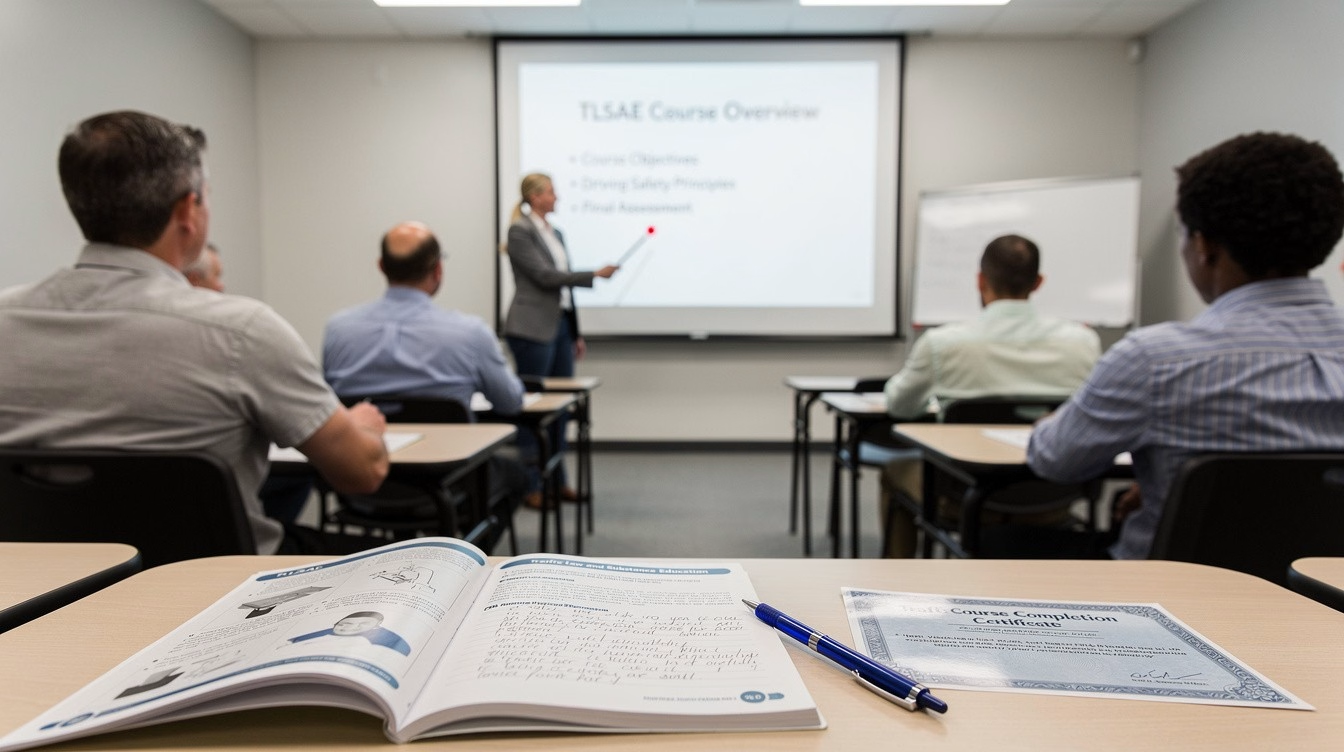
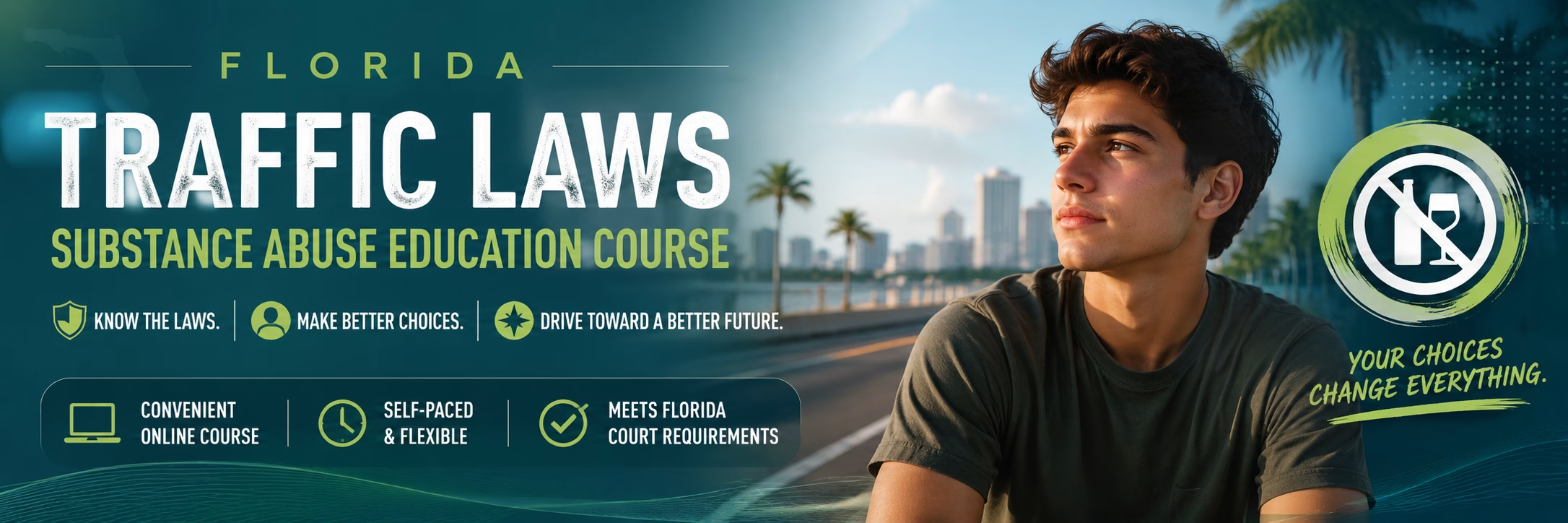
The TLSAE course is four hours long. It covers Florida traffic laws, the risks of impaired driving, alcohol and drug laws, defensive driving choices, and the consequences of unsafe decisions behind the wheel. It is commonly called the Drug and Alcohol course, but its formal name is Traffic Law and Substance Abuse Education.
For a first-time adult applicant, completing TLSAE is not the same as passing the written knowledge test, vision screening, road test, or meeting identity-document requirements. It is one item in the licensing process. Plan for each requirement separately so you are ready when you apply.
The typical adult applicant who needs TLSAE
You will likely need TLSAE if you are 18 or older and have never held a driver license anywhere. This includes an adult getting a Florida learner license for the first time and an adult seeking a Florida Class E driver license without prior licensing history.
It can also apply if you are new to Florida but have never been licensed in another jurisdiction. Moving to Florida by itself does not create a TLSAE requirement. Your prior license history is what matters.
When TLSAE may not be required
You may not need TLSAE if you can show that you previously held a valid driver license from another state, U.S. territory, or country. In many cases, Florida treats you as a licensed driver transferring or obtaining a new Florida credential rather than a first-time applicant.
The details can vary. A suspended, expired, surrendered, or unavailable out-of-state credential can create questions about your eligibility and testing requirements. Bring the documents requested by the Florida Department of Highway Safety and Motor Vehicles, and confirm your status before assuming that an exception applies.
Prior completion of a comparable drug and alcohol course may also be relevant in limited situations, but you should not rely on an old certificate without confirming that Florida will accept it. Course acceptance and licensing rules can change.
TLSAE vs. DETS: The Key Age Difference
Florida updated its requirements for younger first-time drivers. Beginning July 1, 2025, applicants under age 18 who are seeking a Florida learner license must complete the six-hour Driver Education Traffic Safety course, known as DETS. DETS replaced TLSAE for this group.
That means a 15-, 16-, or 17-year-old applying for a learner license should generally look for a state-approved DETS course, not a four-hour TLSAE course. DETS includes broader driver education and traffic safety instruction designed for new teen drivers.
An applicant who turns 18 before applying may fall under the adult TLSAE requirement instead. Timing matters because the requirement is tied to the applicant�s age and license application status. If your birthday is close to your planned application date, verify the current requirement before enrolling.
This distinction prevents a common and expensive delay: completing a course that does not match the requirement for your age group. A course can be educational and still not satisfy the specific prerequisite shown on your licensing record.
What To Do Before You Enroll
Start by identifying the license you are seeking. Most first-time drivers begin with a learner license, then practice with a qualified supervising driver before qualifying for the next license level. Adults may have different testing options and requirements depending on their circumstances.
Next, confirm whether you have ever held any driver license, even if it was years ago or issued outside Florida. A learner permit, provisional credential, or foreign license may affect the process. If you are unsure what appears in your history, contact the licensing authority before purchasing a course.
Then choose a provider whose course is approved for the Florida requirement you need. Approval matters because a course certificate alone does not guarantee that it will be accepted by the state. A legitimate online course should clearly state its approval status, explain how completion is reported or documented, and show the total price before enrollment.
Online study can be a practical option when you need to fit coursework around work, school, or family responsibilities. With a provider such as floridanewdriver.com, eligible students can complete approved coursework online at their own pace, using a phone, tablet, or computer. Still, do not wait until the day of your appointment to finish. Give the provider and state system time to process your completion record if applicable.
TLSAE Is Not a Ticket-Dismissal Course
TLSAE is a pre-licensing education course. It is not the same as Basic Driver Improvement, intermediate driver improvement, an aggressive driver course, or a court-ordered program.
If you received a traffic ticket, read the citation, court notice, or clerk instructions carefully. The document should identify the course type and deadline. Taking TLSAE when the court ordered BDI, for example, may not satisfy the court requirement.
The same applies to insurance discounts. A mature driver insurance discount course may help eligible drivers pursue a discount, but it does not replace TLSAE for an adult applying for a first Florida license. Each course has a distinct purpose.
A Simple First-Time Licensing Checklist
Before going to the driver license office, make sure you have completed the correct education requirement for your age. Adults 18 and older who have never held a license typically need TLSAE, while applicants under 18 generally need DETS.
You should also prepare to meet the remaining Florida licensing steps. These can include identity and residency documents, proof of Social Security number or ineligibility, a vision test, a knowledge exam, and any required driving test. Requirements may differ based on age, citizenship or immigration status, prior credentials, and the type of license requested.
Keep your course completion confirmation until your license application is complete. Even when a provider reports completion electronically, having your confirmation number or certificate available can make it easier to resolve a records issue.
Frequently Asked Questions
Is TLSAE required for everyone getting a Florida license?
No. TLSAE is generally required for first-time Florida applicants age 18 or older who have never held a driver license anywhere. Applicants with qualifying prior licenses may not need it.
Do 16-year-olds need TLSAE in Florida?
Usually no. Applicants under 18 seeking a learner license generally need the six-hour DETS course under Florida�s current rules.
Can I take TLSAE online?
Yes, if you choose a Florida-approved online provider. Confirm that the course is approved for the requirement you need before enrolling.
How long is the TLSAE course?
TLSAE is a four-hour course. It teaches traffic law, substance abuse awareness, impaired-driving risks, and safe-driving responsibilities.
Does TLSAE replace the Florida permit test?
No. TLSAE is a separate course requirement. You may still need to pass the knowledge exam, vision screening, and other licensing steps.
What if I had a license in another state?
You may not need TLSAE if you previously held a license in another state or country. Confirm your individual status with the Florida licensing authority, especially if that credential is expired or unavailable.
The right course is the one that matches your exact licensing requirement, not simply the first course name that appears in a search. Confirm your age category and license history first, complete the approved course with time to spare, and arrive at your application appointment ready to move forward.