
Teen drivers in Florida face real dangers on the road. According to the CDC, drivers aged 16-19 have crash rates three times higher than drivers aged 20 and older, making quality teen driver education Florida essential.
We at floridanewdriver.com believe that structured education transforms how young drivers approach the road. This guide walks you through the skills, knowledge, and resources that help teens build safe habits for life.
Why Florida Teens Face Greater Crash Risks
Teen drivers in Florida operate in one of the nation’s most challenging driving environments. According to the CDC, drivers aged 16-19 have higher crash rates than drivers aged 20 and older, and Florida’s statistics reflect this national trend. The state’s combination of heavy traffic, aging infrastructure, and seasonal influxes of out-of-state drivers creates elevated risk.
Florida’s Graduated Driver Licensing Requirement
Florida enforces a Graduated Driver Licensing system under Florida Statute 322.1615, which requires all teens under 18 seeking a license for the first time to complete state-approved driver education before obtaining a learner’s license. This requirement, effective August 1, 2025, reflects Florida’s commitment to addressing teen driver safety through structured preparation rather than hoping inexperience resolves itself on its own.
The Gap Between Knowledge and Safe Decision-Making
Teen drivers without formal structured education make critical errors in hazard recognition, distraction management, and decision-making under pressure. Passing a written test or obtaining a permit does not equip a teen with the judgment skills needed for real-world driving scenarios. Structured education addresses the gap between knowing traffic rules and executing safe decisions when faced with unexpected situations, heavy traffic, or peer pressure.
Insurance Rewards for Quality Education
Insurance data shows that teens completing quality driver education programs qualify for insurance discounts. This financial incentive underscores what safety experts already know: formal driver education reduces crash risk and protects young drivers.
How Florida’s Framework Transforms Teen Drivers
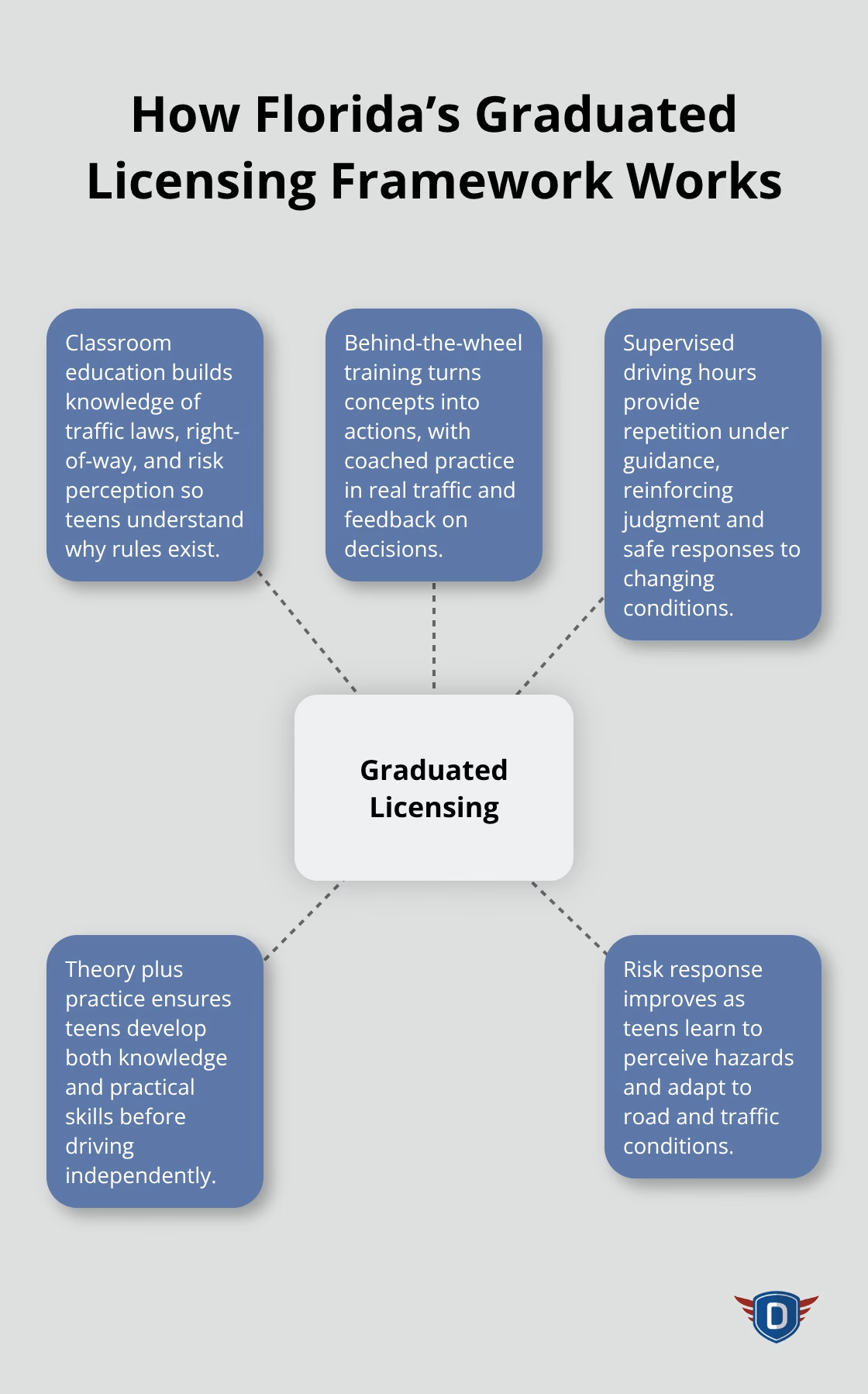
Florida’s graduated licensing framework pairs classroom education with behind-the-wheel training and supervised driving hours, creating a foundation that transforms how teens perceive risk and respond to road conditions. This multi-layered approach ensures that teens develop both theoretical knowledge and practical skills before they face the road independently. Understanding what skills teens must master to succeed in this system reveals why quality education matters so much.
Essential Safe Driving Skills Every Teen Should Master
Hazard Recognition Separates Safe Drivers from Crash-Prone Ones
Hazard recognition separates teen drivers who crash from those who don’t. The National Highway Traffic Safety Administration reports that teen drivers fail to detect hazards in their driving environment far more often than experienced drivers, leading to delayed reactions and poor decision-making. Real hazard recognition means scanning 12 seconds ahead on highways and 8 seconds ahead in urban areas, constantly updating your mental map of what’s happening around your vehicle.
Teens must practice identifying threats that aren’t obvious: the parked car with brake lights about to reverse, the pedestrian hidden by a delivery truck, the motorcycle in a blind spot. This skill develops through repeated exposure and feedback, which is why quality driver education programs emphasize scenario-based learning rather than memorization. Defensive driving isn’t about being paranoid-it’s about assuming other drivers will make mistakes and positioning yourself to survive those mistakes.
Defensive Driving and Space Management
Defensive drivers maintain space cushions around their vehicle, adjust speed based on conditions rather than posted limits, and treat intersections with extreme caution even when they have the right-of-way. This approach transforms how teens perceive risk on Florida roads, where heavy traffic and seasonal influxes of out-of-state drivers create unpredictable conditions.
Distraction and Impaired Driving Prevention
Distraction plays a role in nearly six out of 10 teen crashes, and even a 5-second glance at a phone at 55 mph means you’ve traveled the length of a football field blind. One drink impairs teen judgment more severely than adult judgment due to brain development differences, making impaired driving prevention a matter of survival, not just legal compliance.
Right-of-Way Rules and Traffic Law Application
Florida’s right-of-way rules seem simple on paper but fail constantly in real traffic because teens don’t understand the judgment required to yield safely. A teen with a learner’s permit must know that having the right-of-way doesn’t mean it’s safe to proceed-it means you have the legal priority, not the physical protection. Understanding traffic laws means more than reciting rules; it means recognizing why each rule exists and how violating it creates specific, preventable crashes.
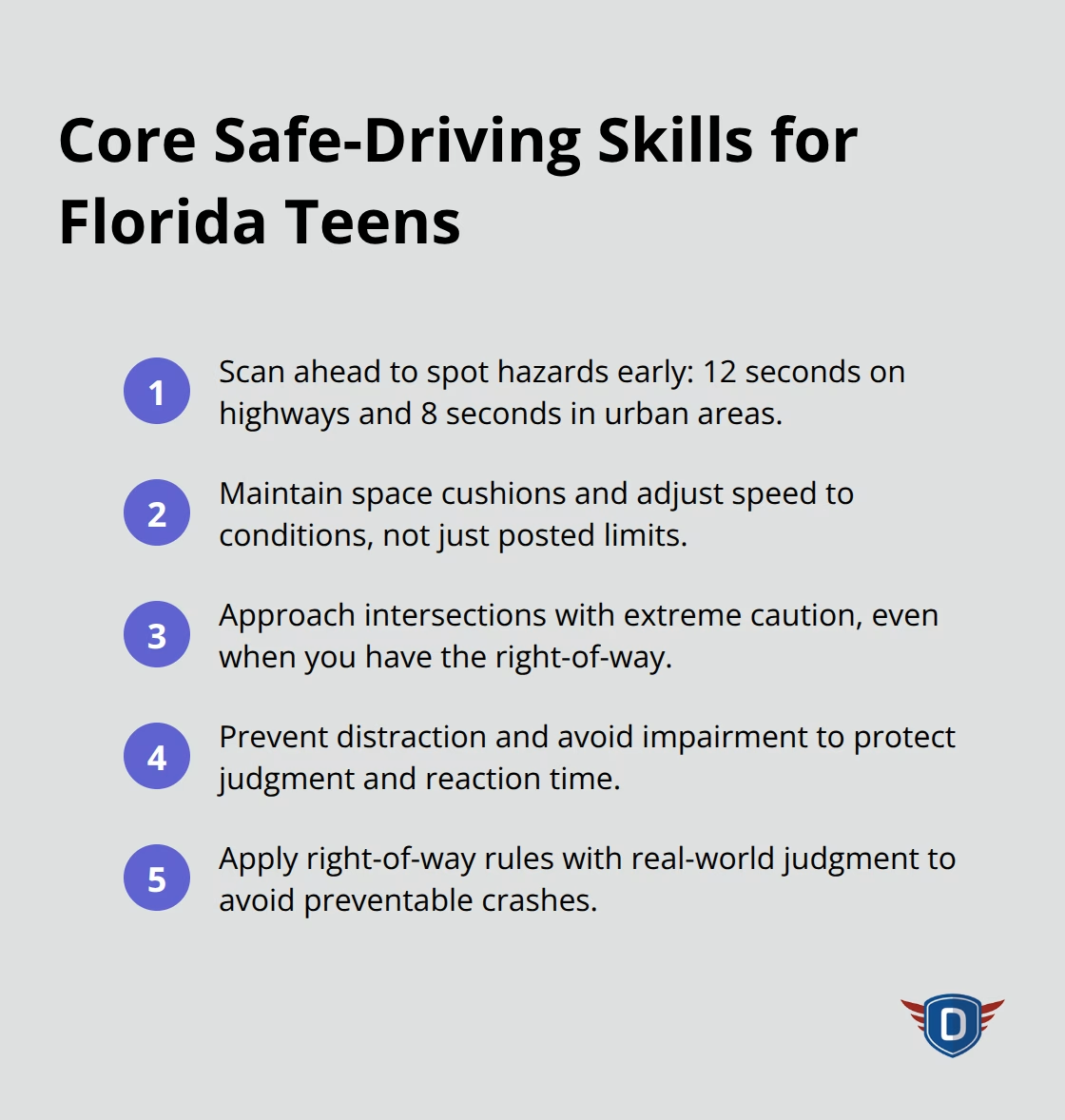
Teens who complete state-approved driver education that covers these topics in depth-not as generic warnings but as specific crash scenarios tied to real consequences-develop the decision-making framework that keeps them alive. This foundation in hazard recognition, defensive positioning, distraction awareness, and legal knowledge prepares teens to handle the real-world driving environment they’ll face the moment they leave the parking lot.
How DriverEducators Builds Real Driving Competence
Scenario-Based Learning That Addresses Real Crash Causes
We at floridanewdriver.com designed our curriculum to address the exact gaps that cause teen crashes in Florida. The program covers Florida Statute 322.1615 requirements and the Driver Education Traffic Safety standards mandated by the Florida Department of Highway Safety and Motor Vehicles, but we move beyond compliance checkboxes. Our content focuses on scenario-based learning where teens encounter realistic traffic situations, make decisions under pressure, and receive immediate feedback on why certain choices lead to crashes while others prevent them.
Rather than simply stating that teens should scan ahead, we show teens scanning a 12-second window on highways and an 8-second window in urban areas. We then demonstrate how failing to maintain that scan distance directly causes the hazard recognition failures that lead to collisions. This approach transforms abstract safety concepts into concrete, actionable skills teens can apply the moment they get behind the wheel.
Flexible Online Format for Busy Teen Schedules
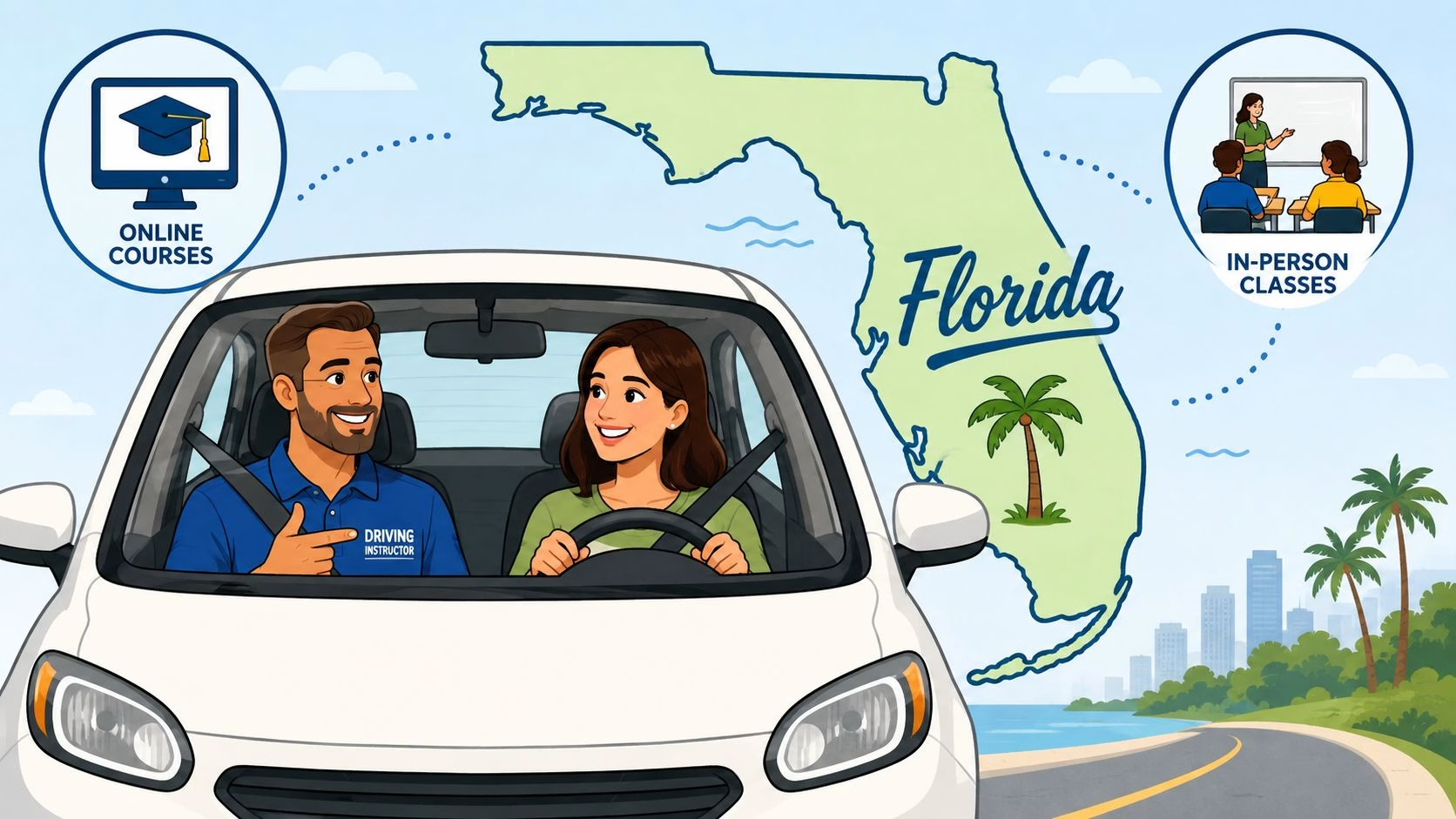
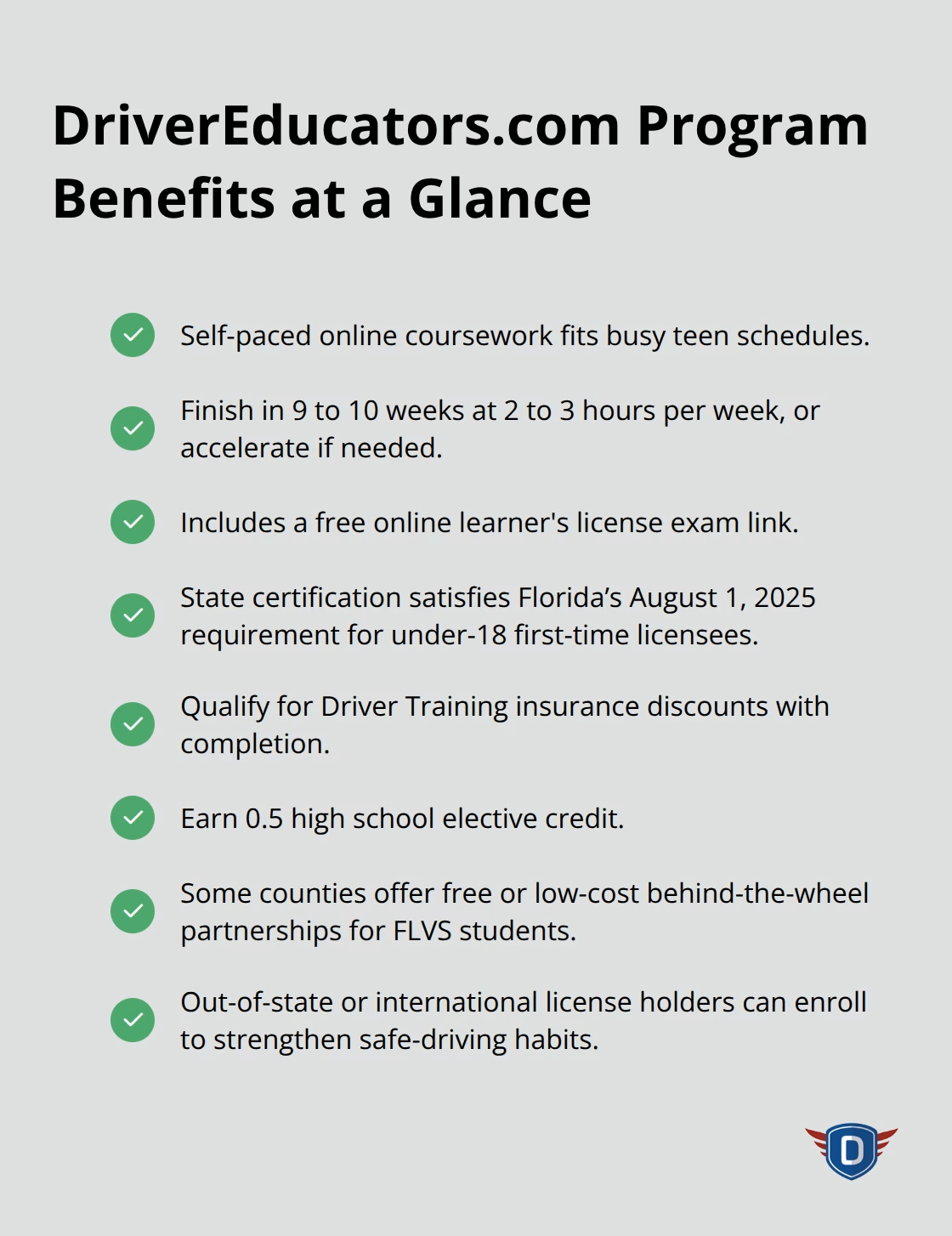
The self-paced online format recognizes that Florida teens juggle school, work, sports, and family obligations, making rigid classroom schedules impractical. Teens complete coursework in 9 to 10 weeks at 2 to 3 hours per week, or accelerate completion if their schedule allows, without sacrificing depth. Completion provides a free online learner’s license exam link and state certification that satisfies Florida’s August 1, 2025 requirement for anyone under 18 obtaining a license for the first time.
Insurance Discounts and Academic Credit
Insurance companies recognize our certification: teens who complete our program qualify for Driver Training Discounts that can reduce premiums significantly. Some insurers offer additional discounts if all household drivers under 21 complete approved driver education. The program also earns 0.5 high school elective credit, making it a dual benefit for academic planning.
Cost-Free Behind-the-Wheel Training for Eligible Families
For Florida Virtual Schools students, certain counties offer free or low-cost behind-the-wheel training partnerships, eliminating cost barriers for eligible families. These partnerships expand access to comprehensive driver education across Florida’s diverse communities.
Strengthening Skills for Out-of-State License Holders
Teens already holding out-of-state or international licenses can still enroll to strengthen their decision-making and safety habits before Florida roads test their actual capabilities. Transferring a license does not transfer judgment, and Florida’s unique driving environment demands preparation that goes beyond what other states require.
Final Thoughts
Teen driver education in Florida works because it addresses the specific gaps that cause crashes. Teens who complete quality programs develop hazard recognition skills, defensive positioning habits, and decision-making frameworks that keep them alive on Florida’s challenging roads. The structured approach transforms abstract safety concepts into concrete actions teens apply the moment they get behind the wheel.
We at floridanewdriver.com built our program around this reality. Our curriculum covers Florida’s statutory requirements while focusing on scenario-based learning that mirrors real traffic situations teens will face (including hazard recognition, distraction management, and defensive positioning). Certification qualifies teens for insurance discounts that reduce family costs while rewarding safe driving preparation, and teens earn 0.5 high school elective credit alongside the safety benefits.
Your teen’s safety depends on more than luck or good intentions. Quality teen driver education in Florida transforms how young drivers perceive risk and respond to road conditions before they face the road independently.