A traffic citation can feel like your driving record is under attack. The good news is you have real traffic citation options available to fight back and protect your future.
At floridanewdriver.com, we help drivers understand exactly what those options are. Whether traffic school, court representation, or negotiation makes sense depends on your specific situation, and we’ll walk you through each path.
What Happens When You Get a Traffic Citation
A traffic citation creates an immediate problem with three layers: the fine itself, points on your record, and insurance consequences. Most drivers focus only on the fine amount printed on the ticket, but that’s the smallest part of the damage. Florida adds substantial penalties and fees on top of the base violation amount.
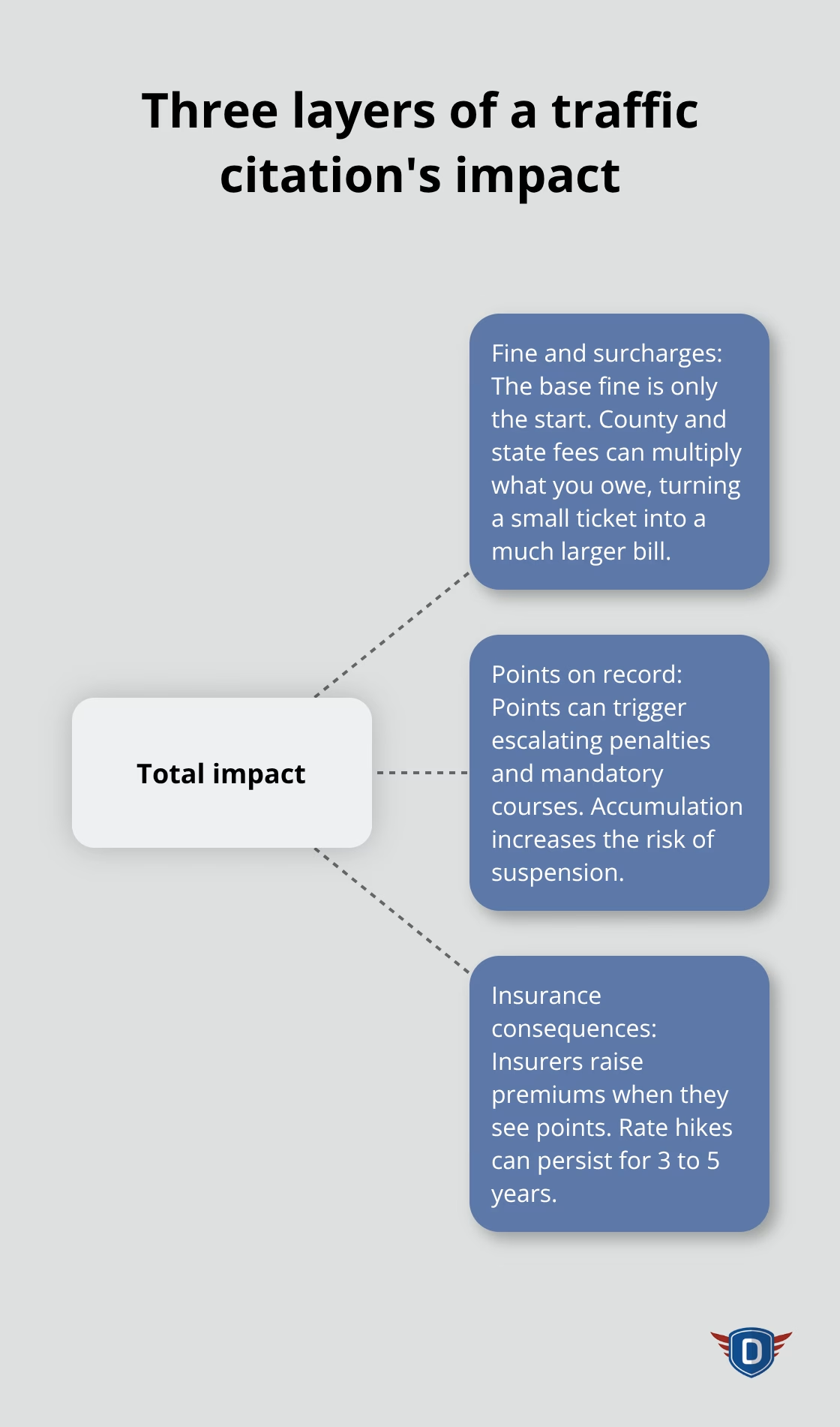
A speeding ticket with a $25 base fine typically balloons to around $175 after county and state surcharges get added.
The Real Cost: Insurance Rate Increases
The real cost shows up later when your insurance company sees those points. Points on your driving record trigger insurance rate increases, and traffic violations are different from at-fault accidents-citations directly affect your premiums and can last years. Three points from a single violation can increase your annual premium by hundreds of dollars across the policy period.
Points Post to Your Record Immediately
The moment the officer issues your citation, points post to your driving record within days. Speeding, running red lights, expired licenses, and driving without insurance are the most common violations we see, and each carries different point values. A speeding ticket adds three points, while reckless driving adds four.
How Long Points Stay on Your Record
These points stay visible to insurance companies for three to five years depending on the violation type. The real danger is accumulation-two violations within twelve months trigger court-ordered eight-hour Intermediate Driver Improvement courses. Three violations in three years can require an Advanced Driver Improvement course for license reinstatement.
Your 30-Day Window to Act
You have 30 days from the citation date to explore options like traffic school or court negotiation before your window closes. Florida-approved courses help you reduce or eliminate points before they cause long-term damage, but you must act fast. The sooner you understand your specific options, the better your chances of protecting your driving record and keeping insurance costs down.
How Traffic School Reduces Points and Protects Your Insurance
Florida Traffic School Masks Violations Before They Damage Your Record
Florida traffic school masks violations before they damage your record. When you complete a Florida Department of Highway Safety and Motor Vehicles (FLHSMV) approved course, no points will be assessed against your driver license for the violation. This masking prevents points from reaching your insurance company, which means insurance companies cannot impose an additional premium or refuse to renew your policy based on that specific citation.
The Basic Driver Improvement Course: Your First Line of Defense
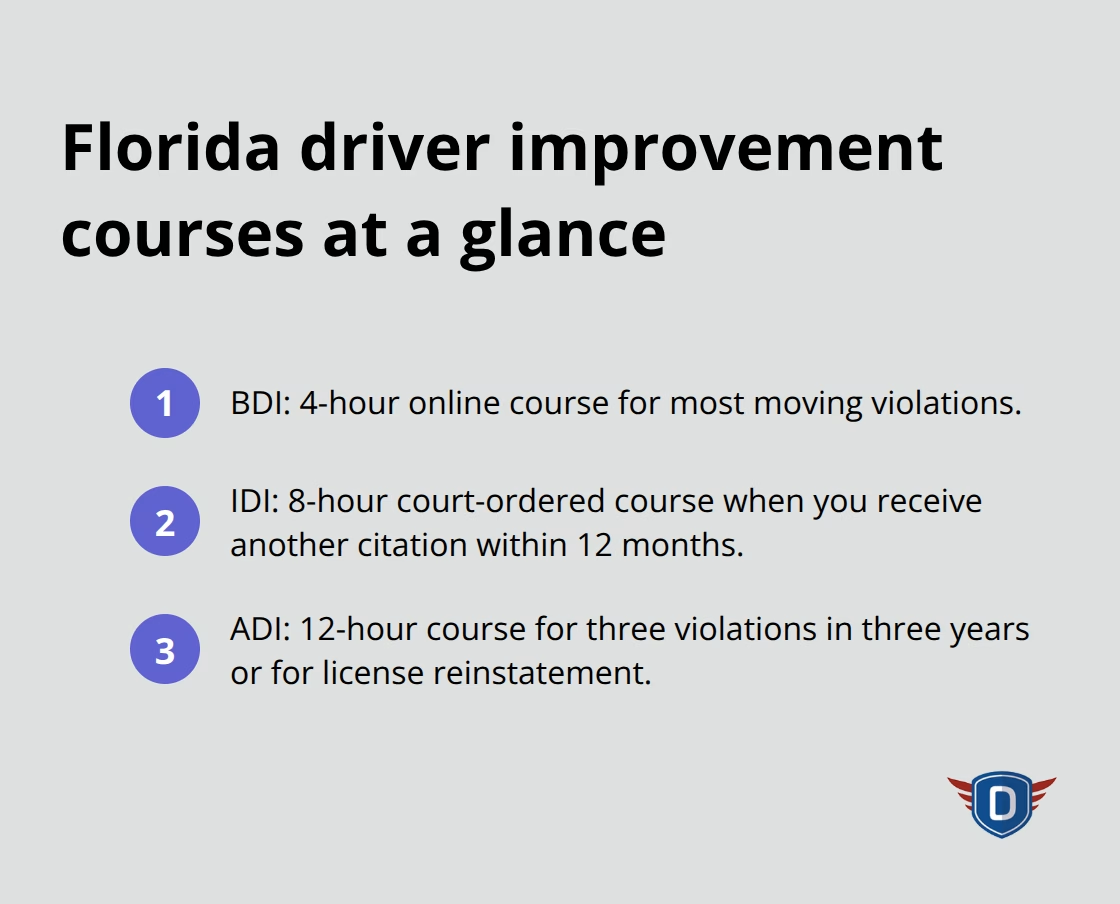
The Basic Driver Improvement (BDI) course is the most common option and takes only four hours to complete online at your own pace. You must apply within a specific window after your citation, and eligibility depends on not having attended traffic school in the last eighteen months and whether your specific violation qualifies. Most moving violations like speeding, running red lights, and improper lane changes qualify, but some serious violations do not.
Florida-approved BDI courses cover defensive driving techniques, safe following distances, right-of-way rules, and the dangers of aggressive or distracted driving. The curriculum blends clear explanations with real-life scenarios so you understand how to drive safer, not just pass a test.
Insurance Benefits Start Immediately After Completion
A three-point speeding violation that costs you $175 in fines could also increase your annual premium by $300 to $600 depending on your insurer and current rates. Insurance companies track violations for three to five years, so that single ticket compounds across multiple renewal periods. Completing traffic school before points post avoids that cascade of rate increases entirely.
The certificate posts directly to the FLHSMV upon completion, confirming your compliance with all state requirements. Your insurance company receives notification that the violation has been addressed through approved driver education.
Intermediate and Advanced Courses for Multiple Violations
If you already have one ticket within twelve months, you face a court-ordered eight-hour Intermediate Driver Improvement (IDI) course requirement, which takes longer but serves the same purpose. The twelve-hour Advanced Driver Improvement (ADI) course applies if you have three violations in three years or need license reinstatement after suspension. Each course option follows the same principle: completing it prevents or reduces points and protects your insurance costs.
Your eighteen-month eligibility window means you cannot use traffic school as a repeated solution, so act strategically on your first violation rather than waiting until you have accumulated multiple citations. Understanding which course applies to your situation determines your next steps toward protecting your record and exploring whether additional legal options make sense for your case.
When Should You Fight a Citation Instead of Taking Traffic School
Contesting your citation in traffic court makes financial sense in specific situations, though most drivers skip this option without calculating the long-term costs. Traffic court offers three realistic paths: request a trial to challenge the citation, submit a Trial by Written Declaration to contest without appearing in person, or negotiate directly with the prosecutor before trial.
The Math Behind Fighting vs. Traffic School
A single three-point violation increases insurance premiums depending on your insurer. That citation costs you money across the policy period (three to five years). If the officer made a procedural error during the stop, failed to calibrate radar equipment, or cannot prove the violation, contesting becomes the smarter financial move. You have the right to view photo evidence for red light tickets and challenge the accuracy before committing to any resolution path.
Negotiating With the Prosecutor
Negotiating with the prosecutor offers a middle ground between traffic school and trial. Many prosecutors reduce charges or recommend lower fines if you demonstrate willingness to resolve the case quickly, particularly on your first violation. Contact the prosecutor’s office directly to discuss options before your trial date arrives. Some jurisdictions allow you to request an Ability to Pay determination if financial hardship exists, potentially reducing fines, establishing payment plans, or arranging community service instead of cash payment.
Trial by Written Declaration
Trial by Written Declaration requires submitting form TR-205 with supporting documentation and avoids the need to appear in court. The judge’s decision is final with no appeal option available. This path works well for drivers who cannot take time off work or prefer written evidence over courtroom testimony.
Comparing Your Costs
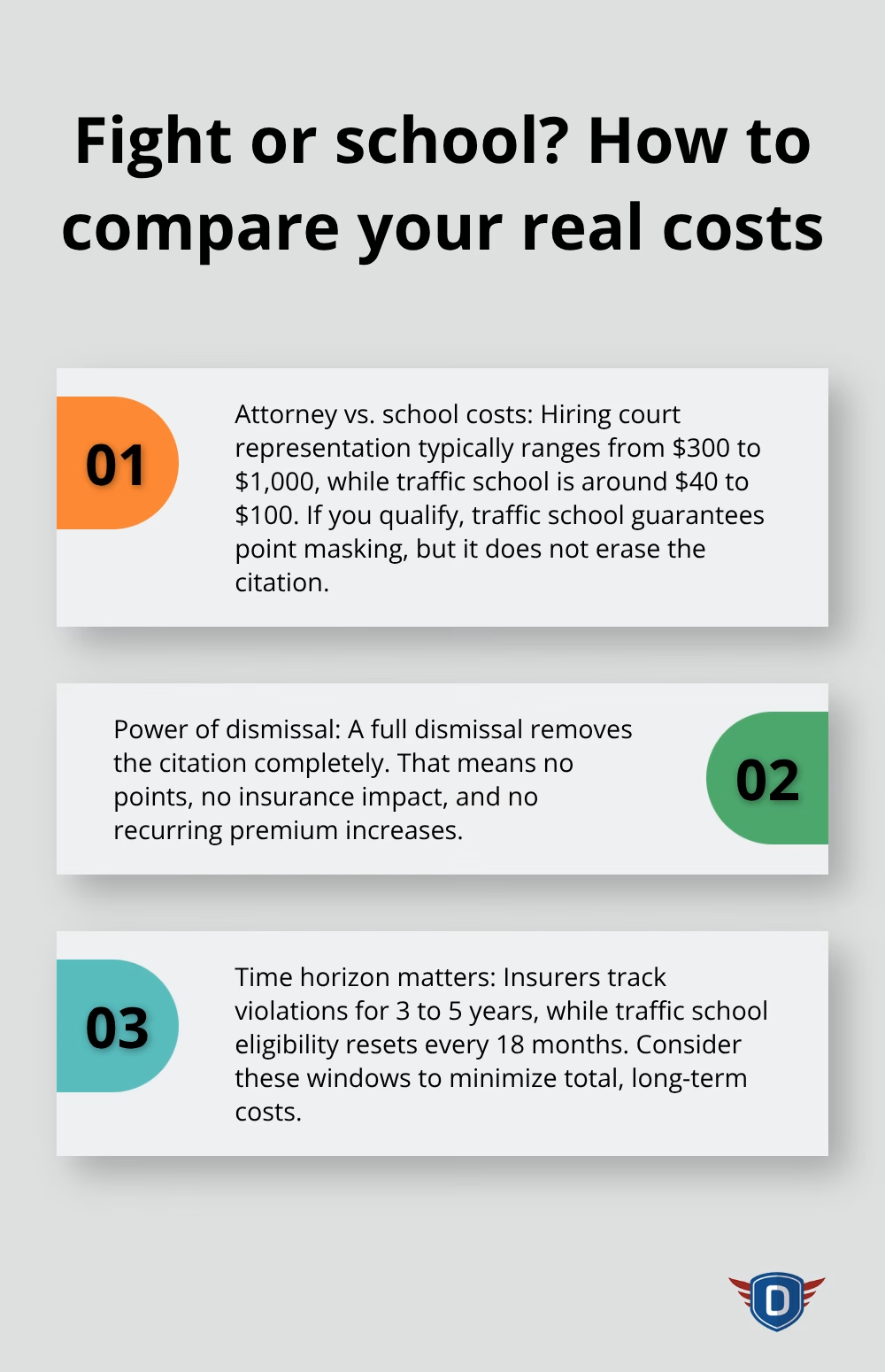
Hiring court representation typically ranges from $300 to $1,000 depending on complexity, while traffic school costs around $40 to $100 and guarantees point masking if you qualify. A successful court dismissal eliminates the citation entirely rather than just masking it, meaning no points, no insurance impact, and no recurring premium increases. Your eighteen-month traffic school eligibility window and the three to five year insurance tracking period make the long-term financial impact the deciding factor in choosing between these alternatives.
Final Thoughts
Your traffic citation doesn’t have to derail your driving record or drain your wallet. Traffic school works best if you qualify and want guaranteed point masking without courtroom risk-the four-hour Basic Driver Improvement course costs $40 to $100 and prevents insurance rate increases that would otherwise compound across three to five years. Court representation or negotiation becomes the smarter choice when procedural errors occurred, radar equipment wasn’t calibrated correctly, or the violation itself is questionable, since a dismissed citation leaves no record at all and eliminates future insurance impacts entirely.
Start by reviewing the citation details and your driving history to determine which traffic citation options fit your situation. Check whether you qualify for traffic school by confirming you haven’t attended in the last eighteen months and your violation type qualifies. If you’re uncertain about the stop or the officer’s procedures, request to view any photo or video evidence before deciding, and contact the prosecutor’s office to understand negotiation possibilities.
Act within your thirty-day window-delays eliminate options and reduce your leverage with prosecutors. Once you’ve chosen your approach, follow through immediately, as incomplete applications or missed deadlines force you into default payment without any record protection. floridanewdriver.com offers Florida-approved traffic school courses to help you protect your record and reduce insurance costs.