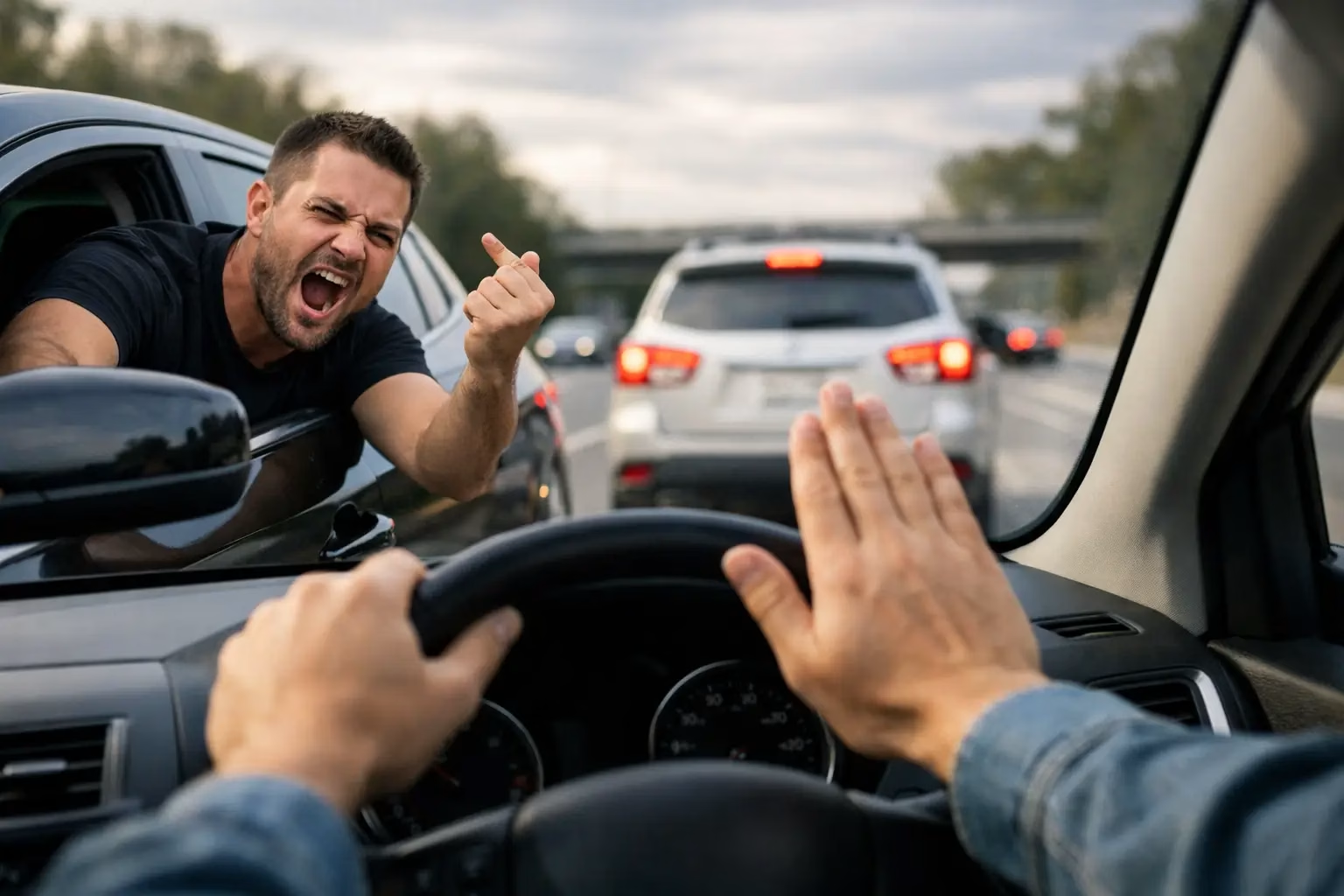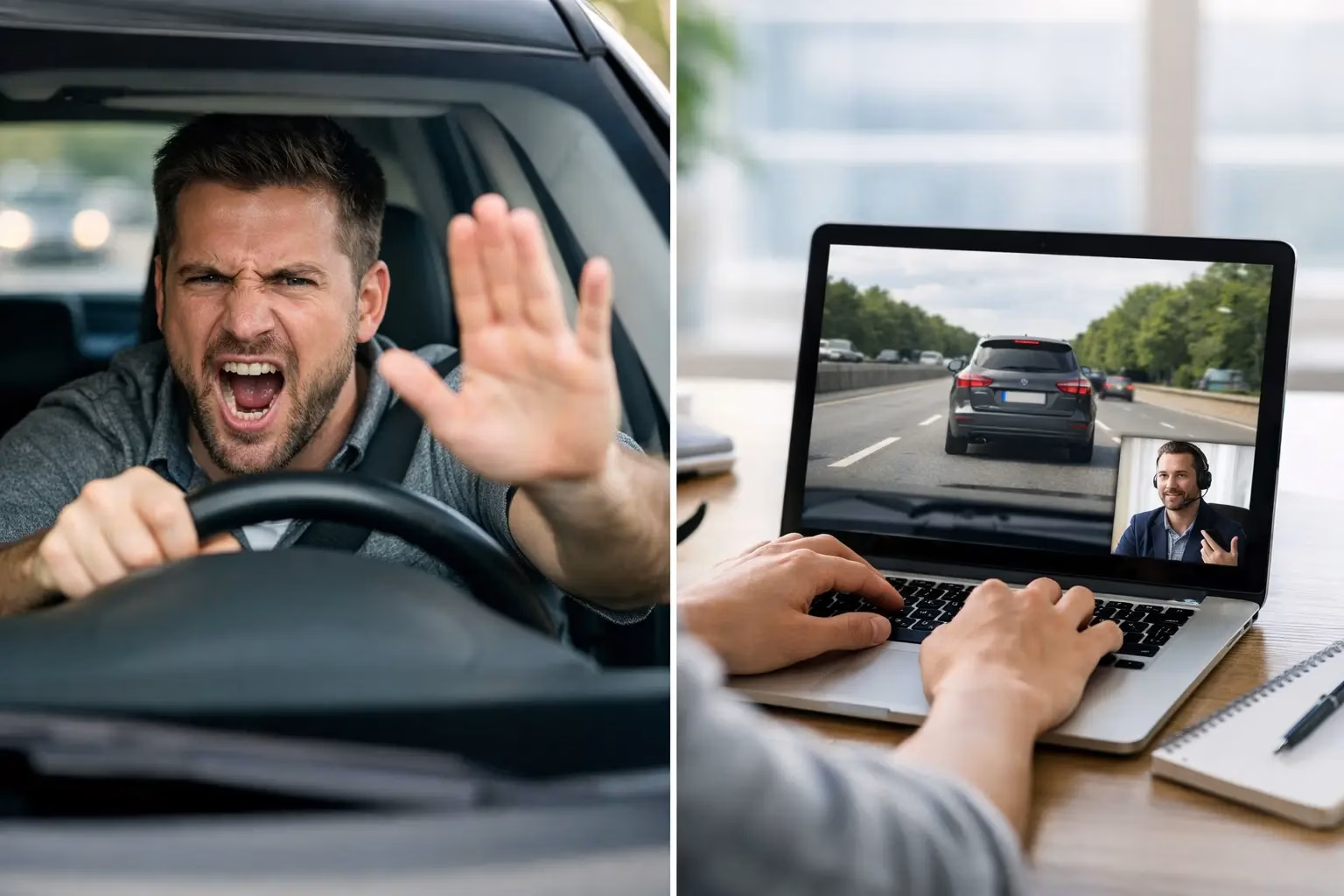
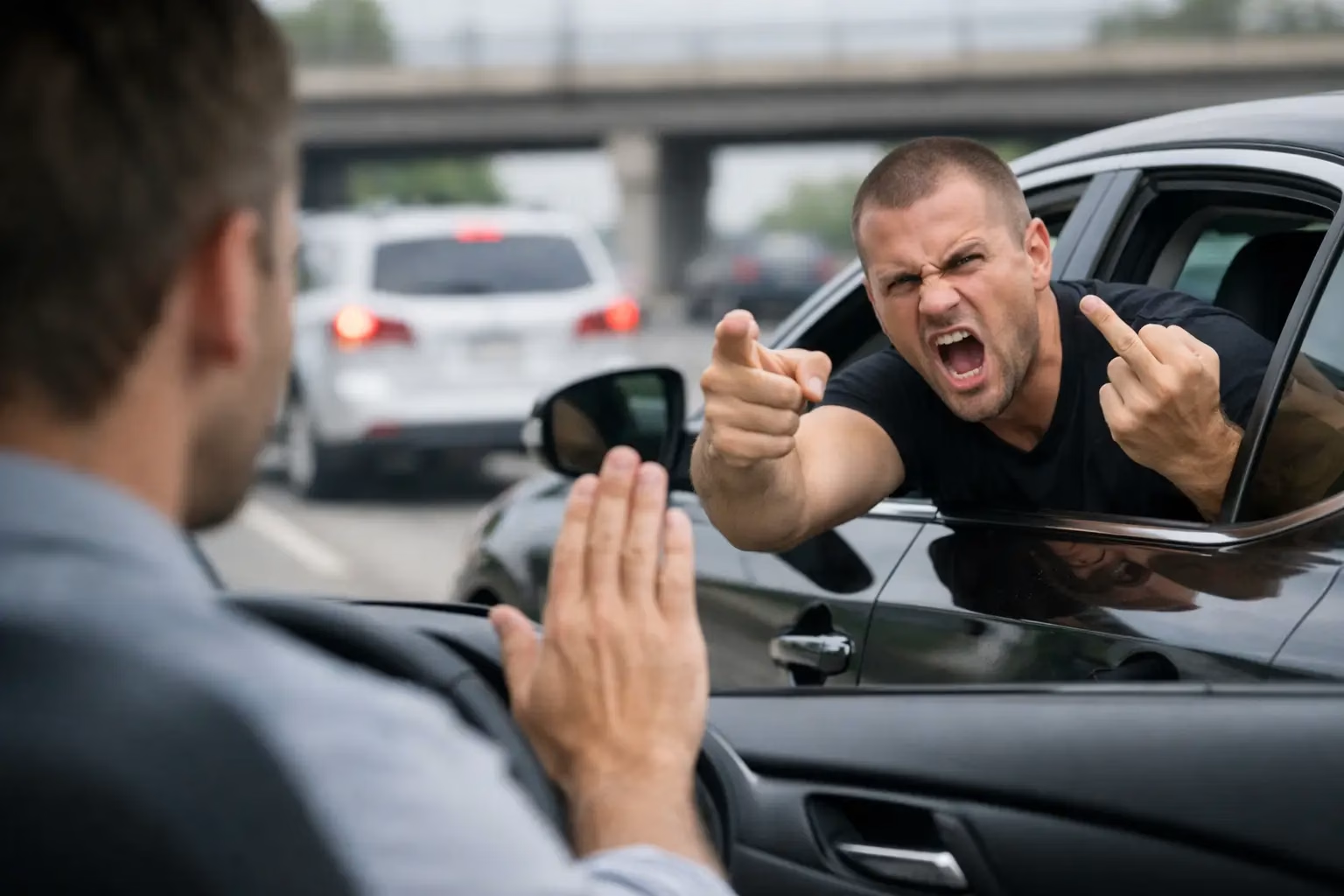
A driver cuts across three lanes to catch an exit, brakes hard, then gestures from the window. Your body reacts before you have time to think: tight grip, faster heartbeat, and the urge to show them they were wrong. Knowing how to handle road rage at that exact moment can prevent a rude encounter from becoming a crash, confrontation, or legal problem.
Road rage is more than ordinary irritation. It is aggressive behavior driven by anger, such as tailgating, blocking another vehicle, making threats, chasing a driver, or using a vehicle to intimidate someone. The safest response is not to win the exchange. It is to create distance, stay predictable, and get yourself home safely.
Recognize the Moment Before It Escalates
Most road rage incidents begin with a small trigger: a missed signal, slow traffic, a late merge, or someone taking a parking space. Stress, fatigue, running late, and traffic congestion can make a normal mistake feel personal. But the other driver may be distracted, inexperienced, confused about the route, or reacting to a problem you cannot see.
Watch for signs that your own frustration is moving toward unsafe driving. You may be following too closely, repeatedly checking the other driver, criticizing them out loud, speeding up to pass, or planning how to �teach them a lesson.� These are signals to reset before anger controls your decisions.
A simple rule helps: treat every interaction as temporary. You may share the road with this driver for only a few seconds. There is no benefit to extending that contact.
How to Handle Road Rage When You Feel Angry
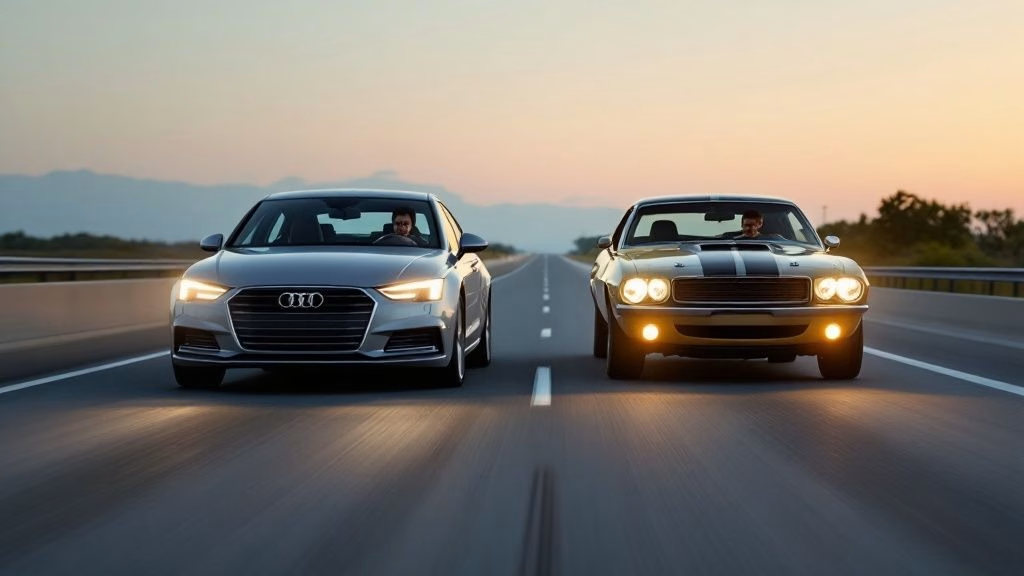
Start by giving yourself physical and mental space. Ease off the accelerator, increase your following distance, and let the other vehicle move ahead. Do not match their speed, block their lane change, or position your vehicle beside theirs. Distance lowers the chance of a collision and makes it easier to leave the situation.
Keep your attention on driving, not on proving a point. Avoid honking in anger, flashing high beams, staring, yelling, or making gestures. Even a reaction you consider minor can be interpreted as a challenge by someone who is already upset.
Use a short reset to interrupt the stress response. Take a slow breath, loosen your hands on the steering wheel, and name the practical goal: �I need to arrive safely.� If a passenger is present, avoid turning the incident into a conversation that keeps your anger active. Put on calm music, lower the noise in the vehicle, or focus on the next safe turn.
If you are running late, accept that the delay has already happened. Speeding or aggressive passing rarely saves meaningful time, and it increases your risk of a ticket, crash, or injury. Arriving a few minutes late is safer than turning one stressful moment into a serious consequence.
Do Not Try to Correct Another Driver
Drivers sometimes react aggressively because they believe they are enforcing the rules. They may block a vehicle that is speeding, refuse to let someone merge, or follow another driver to confront them. These actions are dangerous, even if the other driver was clearly in the wrong.
Traffic laws are enforced by law enforcement, not by other motorists. Your responsibility is to operate your vehicle safely and follow applicable traffic laws. Letting an unsafe driver go ahead is not approval of their behavior. It is a decision to protect yourself and everyone riding with you.
Respond Safely to an Aggressive Driver
When another driver is acting aggressively, make your vehicle uninteresting to them. Do not make eye contact, return gestures, or respond to verbal comments. Keep your doors locked and windows up when practical, especially in stopped traffic or parking areas.
Move away safely. Change lanes only when there is enough room, take the next appropriate turn, or allow the driver to pass. Do not pull over on the shoulder to argue, and do not stop in an isolated place. If the driver is following you, do not drive home. You do not want to reveal where you live or bring the conflict to your family.
Instead, drive to a well-lit public location, such as a police station, fire station, or busy business. If you believe there is an immediate threat, call 911 when it is safe to do so. A hands-free call may be appropriate while driving, but local laws on wireless device use still apply. If you can safely pull over first, that is often the better choice.
Try to remember useful facts without taking your eyes off the road: the vehicle�s color, make, model, license plate if visible, location, direction of travel, and behavior. Do not use your phone to record the driver while operating your vehicle. Give information to law enforcement after you are safely stopped.
If There Has Been a Crash
A crash can intensify an already emotional situation. Stop when required by law, move to a safer location if possible, and check for injuries. Call 911 for injuries, immediate hazards, or threats.
Exchange required information calmly and limit the conversation to the crash. Do not argue about fault at the roadside. If another person becomes threatening, return to your locked vehicle if it is safe, keep distance, and wait for law enforcement.
Plan Ahead to Reduce Road Rage Triggers
Prevention starts before you put the vehicle in gear. Leave enough time for traffic, parking, and unexpected delays. A rushed driver is more likely to tailgate, speed, and interpret normal traffic friction as disrespect.
Also check the basics. Hunger, exhaustion, pain, and distractions can shorten your patience. If you are too tired or upset to concentrate, delay the trip when possible, ask someone else to drive, or use another form of transportation.
Your driving environment matters as well. Set navigation before moving, secure your phone, and choose music or audio that helps you focus rather than raises your stress level. If you are transporting teens or new drivers, model the response you want them to use. They learn emotional driving habits by watching experienced drivers.
A driver improvement or aggressive driving course can be useful when a citation, court requirement, or repeated frustration behind the wheel points to a larger pattern. The goal is not simply to satisfy a requirement. It is to build habits that make stressful driving situations more manageable. floridanewdriver.com offers convenient online traffic safety education for drivers who need approved training and practical safety guidance.
Teach Teen Drivers What Calm Driving Looks Like
New drivers often know the traffic rules but have less experience managing pressure. Explain that being honked at, cut off, or passed does not require a response. The correct response is usually to maintain control, create space, and continue driving legally.
Practice specific scenarios before they happen. Ask what they would do if someone tailgates them, follows them, or tries to start an argument at a stoplight. Clear answers reduce panic: do not brake-check, do not engage, do not drive home, and get help in a public place if necessary.
Parents and guardians should also avoid praising aggressive behavior as confidence. Confidence behind the wheel means making safe, lawful choices under pressure. It does not mean refusing to yield or demanding the last word.
Frequently Asked Questions
What is road rage?
Road rage is aggressive or violent behavior caused by anger while driving. It can include threats, tailgating, chasing, blocking, yelling, or intentionally using a vehicle to intimidate another person.
What should I do if someone tailgates me?
Do not brake-check them. Maintain a safe speed, increase your space ahead, and move to the right or change lanes safely when you can let the vehicle pass.
Should I honk at an aggressive driver?
Usually, no. A brief horn use may warn someone of an immediate hazard, but repeated or angry honking can escalate a confrontation.
What if an angry driver follows me?
Do not drive home or stop to confront them. Drive to a public, well-lit location or a police or fire station, and call 911 if you believe you are in immediate danger.
Can road rage lead to traffic charges?
Yes. Aggressive acts can lead to citations or criminal charges, depending on the conduct and state law. Tailgating, reckless driving, threats, and intentional contact with another vehicle can carry serious penalties.
The next time another driver makes a dangerous or discourteous move, give yourself permission to let it go. A calm decision may feel small in the moment, but it protects the people in your vehicle and gives you the best chance of ending the trip safely.