Teen drivers cause nearly 1 in 5 fatal crashes in the United States, according to the CDC. The difference between a safe driver and a dangerous one often comes down to the parent-teen driving guidelines parents establish early.
At floridanewdriver.com, we’ve seen firsthand how structured rules, gradual exposure to real-world conditions, and honest conversations about common mistakes transform inexperienced drivers into confident, responsible ones. This guide walks you through the practices that work.
Setting Clear Rules and Expectations
Write Your Driving Agreement Down
The written driving agreement is where most parents fail. They set rules verbally, assume their teen remembers them, then get frustrated when violations happen. Put everything in writing because it removes ambiguity and gives you a reference point when conflicts arise. The agreement should specify phone use, passenger limits, curfew times, and monthly mileage expectations.
Research from the Insurance Institute for Highway Safety shows that teens with written agreements and clear consequences follow driving rules more consistently than those without them. Your agreement doesn’t need legal language-simple, direct statements work better.
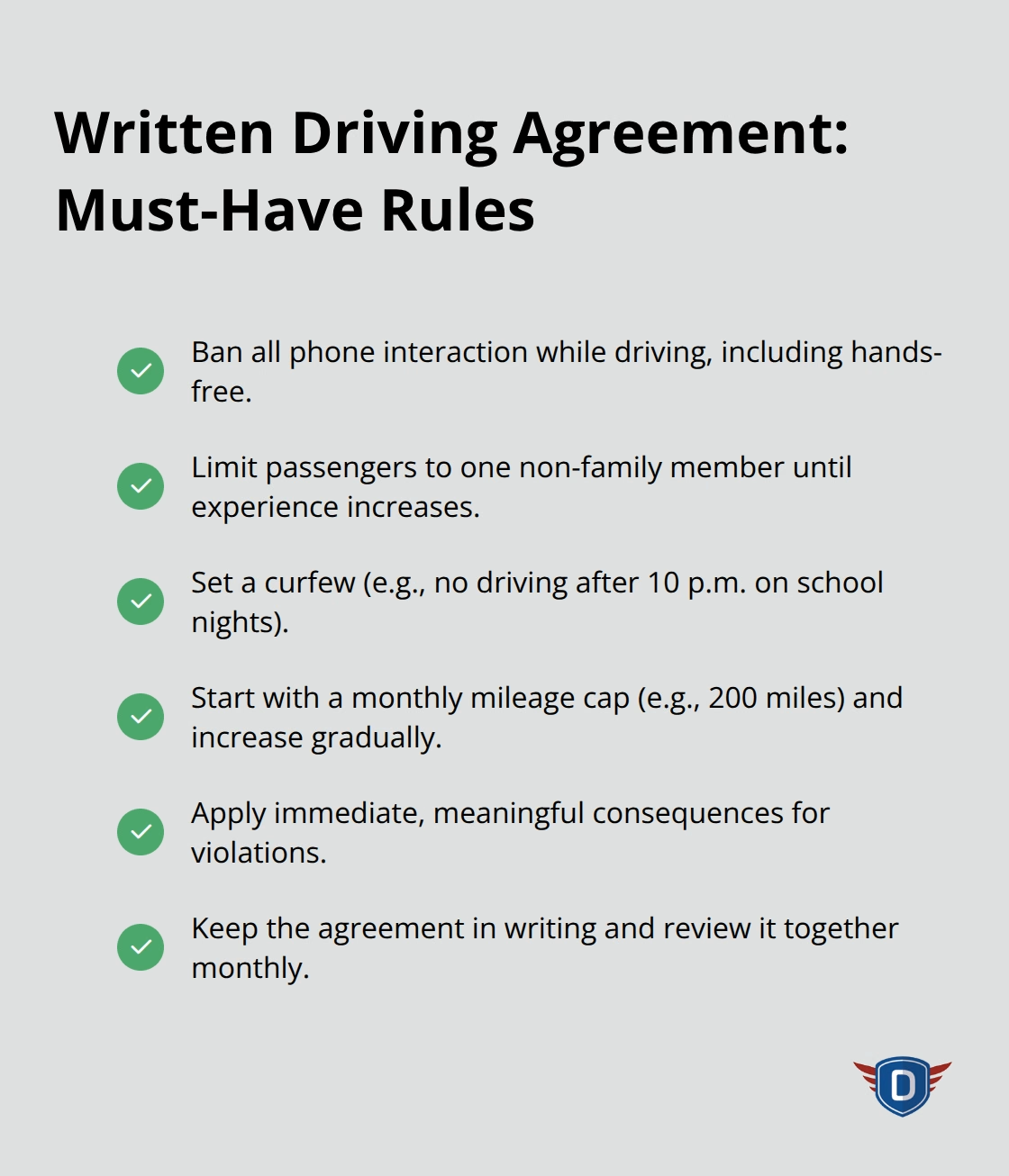
For example, instead of vague language about distracted driving, write: “No phone use while driving, including hands-free calls. Passenger limit: one non-family member until age 18. Curfew: no driving after 10 p.m. on school nights.” These specifics eliminate negotiation and give your teen a clear framework.
Ban All Phone Interaction While Driving
Phone interaction while driving causes significant crash risk for teens. Your agreement should ban all phone interaction while the car is moving, not just texting. Many parents allow hands-free calls thinking it’s safe-it isn’t. Your teen’s brain isn’t developed enough to handle complex conversations while managing traffic.
Set a rule that the phone stays in the glove compartment or backseat during driving. This simple physical barrier works better than relying on willpower. Hands-free systems still pull cognitive attention away from the road, and your teen lacks the experience to recover from sudden hazards.
Limit Passengers and Set Realistic Curfews
For passengers, limit them to one non-family member initially, then gradually increase as your teen demonstrates consistent safe behavior. Passenger limits and crash risk for inexperienced drivers show that each additional passenger increases crash risk. Fatal crash rates for teen drivers spike after 9 p.m., especially on weekend nights, so set a curfew based on when your teen actually drives. If they drive to school and part-time work, that’s different from recreational driving.
Mileage limits should reflect your teen’s experience level. A new driver shouldn’t accumulate 500 miles monthly; start at 200 miles and increase as confidence and judgment improve. Consequences for breaking these rules must be immediate and meaningful-loss of driving privileges for a week works better than vague threats about future restrictions.
Enforce Consequences Consistently
Your written agreement only works if you enforce it. Teens test boundaries, and inconsistent enforcement teaches them that rules don’t matter. When violations happen, apply the consequence immediately (not days later when the impact fades). This consistency builds trust in the system itself, not just fear of punishment.
These structured rules create the foundation for safe driving, but rules alone don’t transform inexperienced drivers into confident ones. Gradual exposure to real-world conditions-starting simple and building complexity-is what actually develops the judgment your teen needs.
Graduated Exposure to Real-World Driving Conditions
Start in Controlled Environments
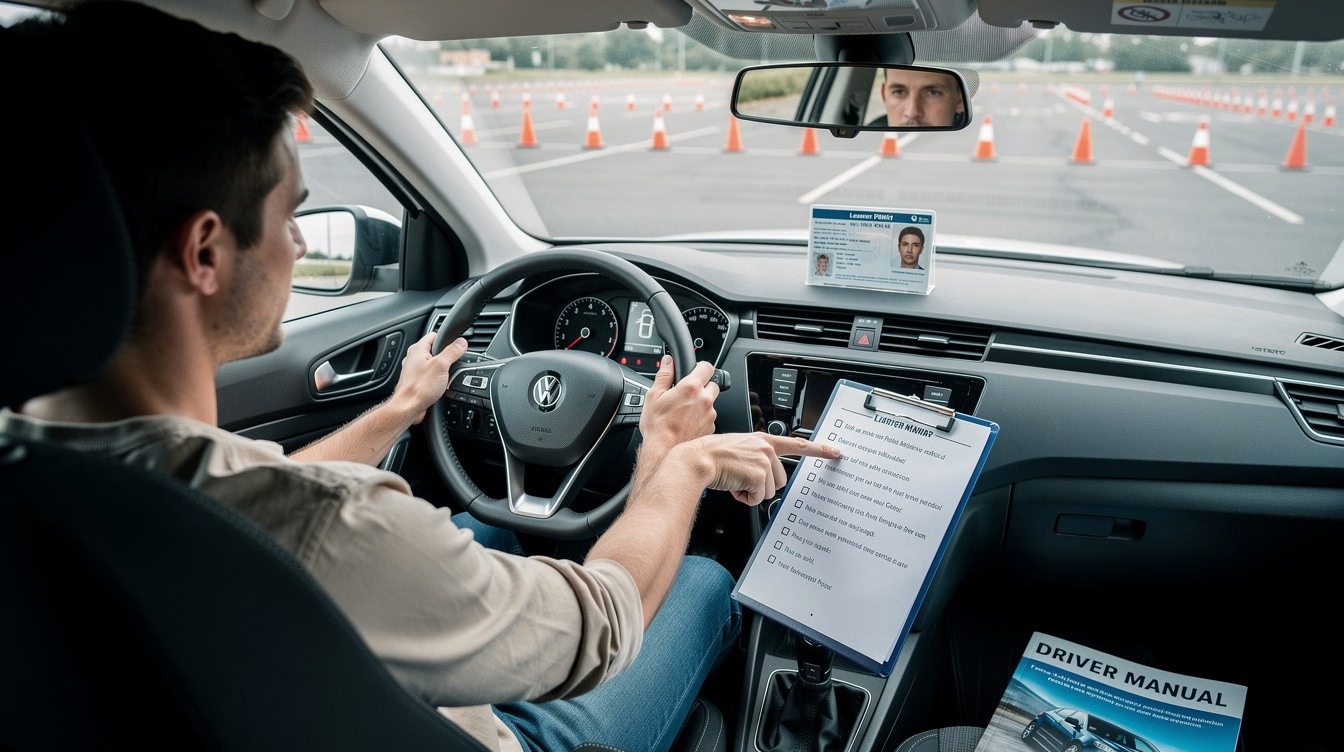
Your teen’s first driving experiences should happen in empty parking lots and quiet residential streets during daylight hours. This isn’t about coddling them-it’s about building competence in a logical sequence so their brain processes one new challenge at a time. The Insurance Institute for Highway Safety crash rate statistics for teen drivers show that crash rates for 16-year-old drivers are significantly higher than for older teens, largely because younger teens lack experience managing multiple hazards simultaneously. Your job is to control variables so your teen develops judgment before facing high-stakes situations.
Spend the first 10 to 15 hours in parking lots. Your teen practices acceleration, braking, steering, and basic maneuvers without traffic pressure. Then move to empty residential streets with minimal traffic during midday when visibility peaks and distractions stay lowest.
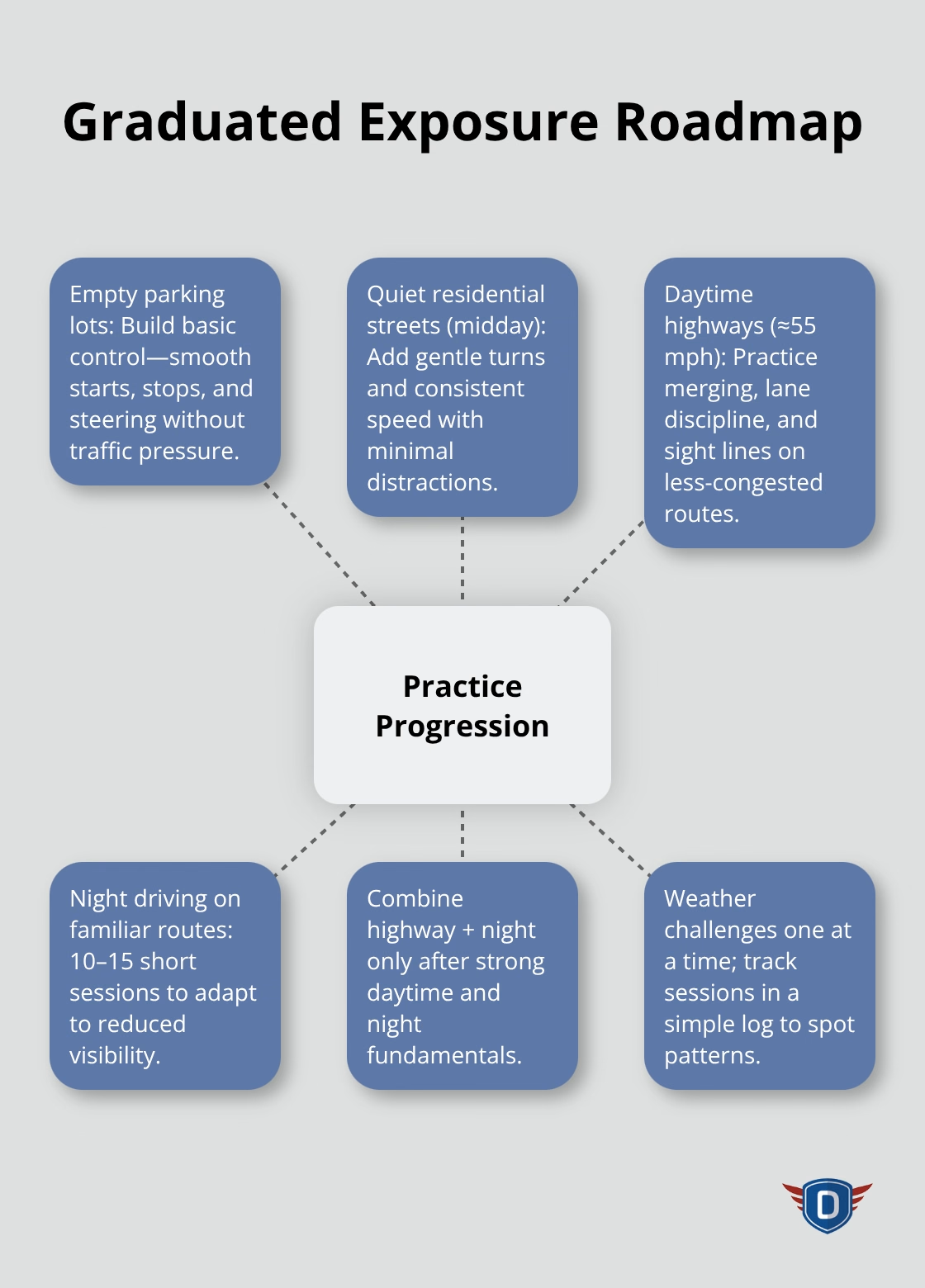
Once your teen handles smooth acceleration, gentle turns, and consistent speed without tension or hesitation, introduce light suburban traffic during daylight. This progression typically takes 3 to 4 weeks of consistent practice, not days. Rush this phase and you’re gambling with their safety.
Progress to Highway Driving Systematically
Highway driving and night driving require separate preparation because they demand different skills. Don’t combine them in a single session. Highway practice should happen during daylight on less-congested routes with moderate speed limits (55 mph, not 75 mph). Your teen needs to experience merging, maintaining steady speed in traffic flow, and managing sight lines at higher speeds without the added stress of darkness.
After five to seven highway sessions during daytime, your teen builds the muscle memory needed for the next step. This staged approach prevents cognitive overload and builds genuine confidence rather than false bravado.
Introduce Night Driving on Familiar Routes
Night driving impairs depth perception and peripheral vision, so your teen needs routes where they’ve already built muscle memory. Introduce night driving on familiar residential streets your teen has already mastered in daylight. After ten to fifteen successful night sessions on familiar roads, you can combine highway and night driving. This combination represents a significant jump in difficulty, so your teen must have solid foundation skills first.
Add Weather Challenges One at a Time
Weather practice matters-rain, fog, and wet roads should be introduced individually, not all at once. Have your teen drive in light rain on familiar roads before progressing to heavy rain or slick conditions. One variable change per session prevents cognitive overload and keeps your teen from feeling overwhelmed.
Track these experiences in a simple log noting date, time, location, weather, and any challenges. This documentation helps you identify patterns and ensures you’re advancing difficulty systematically rather than repeating safe scenarios. As your teen masters these graduated conditions, they develop the judgment needed to handle the mistakes and pressures that actually cause teen crashes.
Common Teen Driving Mistakes and How to Prevent Them
Distraction Goes Far Beyond Phone Use
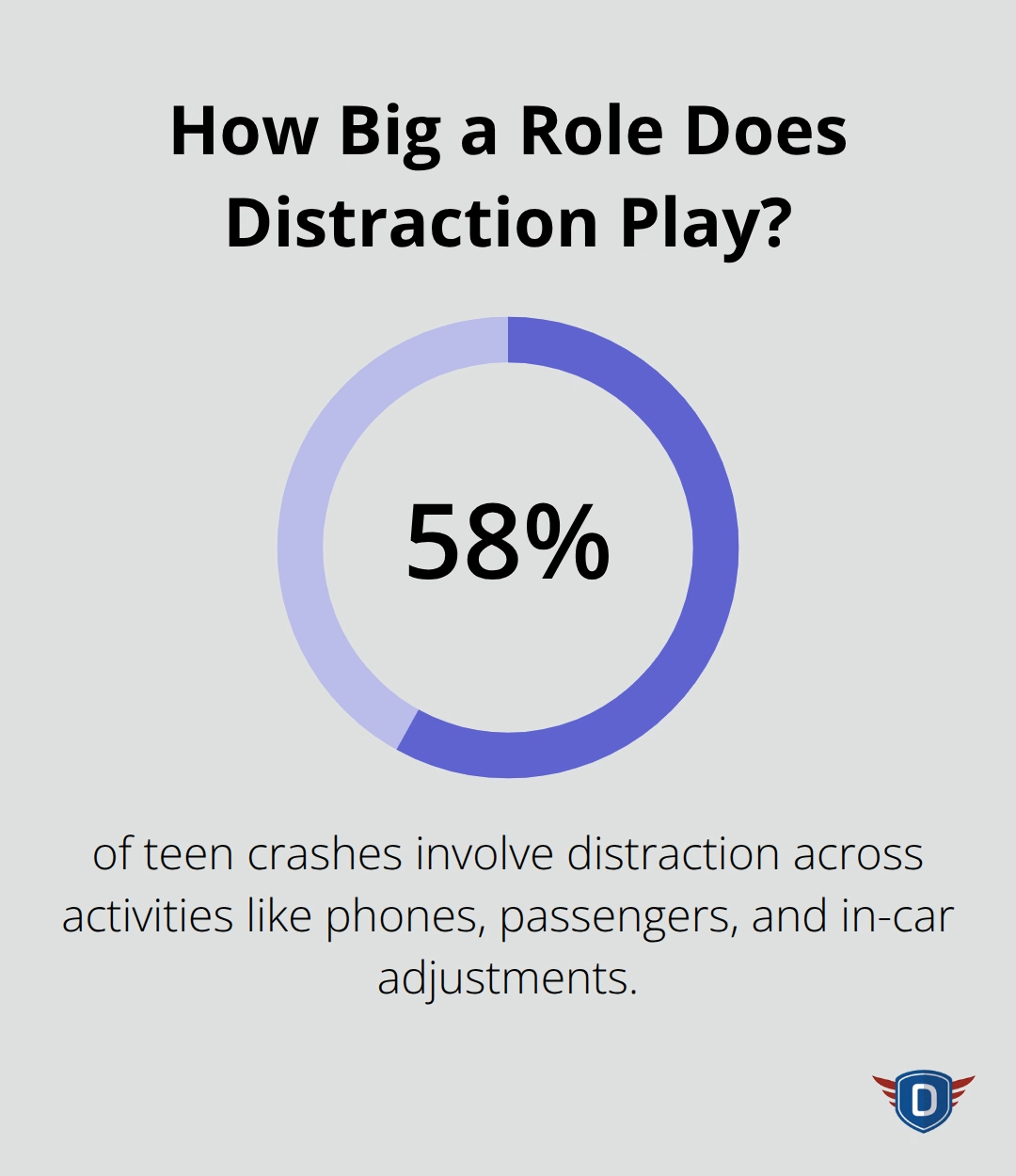
Distracted driving factors into nearly 58% of teen crashes, yet most parents focus only on texting. The CDC data shows that eating, adjusting the radio, and talking to passengers all compete for attention just as much as a phone notification does.
Your teen’s prefrontal cortex-the brain region responsible for impulse control and risk assessment-is still developing, so external management matters far more than lectures about responsibility.
Phone use demands a physical barrier, not willpower. The written agreement should specify that the phone goes into the glove compartment before the engine starts, not just during driving. Your teen shouldn’t need to decide whether to check a notification; the phone should be unreachable. For the first three months of solo driving, establish a rule that your teen drives in silence. This sounds extreme, but it’s the only way to build the automaticity needed for safe driving.
Speed and Physics: Making It Real
Speeding happens because your teen hasn’t experienced how speed affects stopping distance or cornering ability. During your graduated practice sessions, deliberately practice emergency stops at different speeds so your teen feels the vehicle’s limits. Drive at 20 mph, then 35 mph, then 50 mph and perform identical stops. Your teen will feel the difference and understand why speed matters-not as abstract danger but as concrete physics.
Set a speed limit agreement that’s 5 mph below the legal limit, not at it, because teens consistently drive faster than they intend. This buffer accounts for the gap between what your teen thinks they’re doing and what actually happens on the road.
Impaired Driving and the No-Questions-Asked Exit
Impaired driving and peer pressure combine into the deadliest scenario. Your teen needs a clear exit strategy before they’re in a car with friends who are drinking or using substances. Establish a no-questions-asked policy where your teen can call you for a ride at any time without losing driving privileges.
This agreement must be written and specific: if your teen is in a vehicle with an impaired driver, they call you immediately and you pick them up without punishment. Many parents state this rule but don’t follow through-when their teen actually calls at 2 a.m., they punish them anyway. Your teen won’t call next time. If you establish this rule, you must follow through completely, every single time.
Building the Habit Through Repeated Conversation
The conversation about impaired driving shouldn’t happen once; it should happen every few weeks in casual conversation, not as a lecture. Ask your teen what they would do in specific scenarios. Listen to their answers without judgment. This repeated exposure makes them far more likely to actually use the strategy when pressure hits.
Final Thoughts
The parent-teen driving guidelines you establish in these early months shape your teen’s driving habits for life. Written agreements, graduated exposure, and honest conversations about mistakes aren’t restrictions-they’re the framework that transforms inexperienced drivers into competent ones. Your teen’s brain is still developing judgment, so external structure compensates for what biology hasn’t finished building yet.
Your teen won’t become a safe driver because you lectured them about responsibility. They become safe drivers because you controlled variables during practice, enforced rules consistently, and created an environment where they could build real competence before facing high-stakes situations. Professional driver education programs reinforce these habits by providing structured instruction from certified instructors who understand teen development and learning.
floridanewdriver.com offers comprehensive programs designed to complement your parent-teen driving guidelines with expert instruction on defensive driving, hazard recognition, and decision-making under pressure. Their courses help teens internalize safe driving as a habit, not just a rule their parents enforce. The investment you make now-in clear rules, patient instruction, and consistent follow-through-determines whether your teen becomes part of the crash statistics or part of the solution.